Bamboo Extract: Benefits and Uses in Cosmetics
2026-04-14 15:33:00
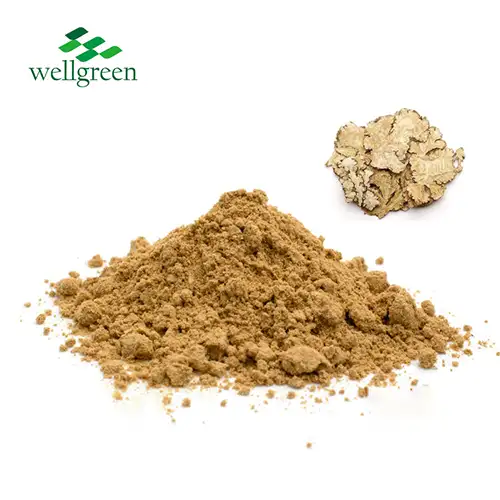
With its amazing mix of bioactive chemicals, bamboo leaf extract is changing the way cosmetics are made. This natural ingredient comes from plants like Phyllostachys and Lophatherum gracile. It gives skin and hair care goods flavonoids, phenolic acids, polysaccharides, and organic silica. The extract is very useful for brands that want to use clean-label, science-backed ingredients that appeal to modern customers because it has strong anti-inflammatory, antimicrobial, and antioxidant properties. As a business-to-business ingredient, bamboo extract solves important formulation problems and backs up claims of anti-aging, hydrating, and skin protection that help products stand out in crowded markets.

Understanding Bamboo Leaf Extract: Composition and Production
Botanical Source and Phytochemical Profile
The powdered bamboo leaf extract comes from the leaves of plants in the Gramineae family, like Lophatherum gracile and different kinds of Phyllostachys. Bioactive compounds are concentrated during the extraction process to make a functional ingredient that works better than many traditional plants. Flavonoid glycosides from this natural source include orientin, homoorientin, vitexin, and isovitexin. These are compounds that have been shown to have antioxidant effect in the lab. The phenolic acid level helps fight free radicals even more, and the polysaccharides help the skin's barrier function. What makes bamboo extract unique is that it contains a lot of organic silica—up to 70% in some formulations—which helps the body make collagen, which is needed to keep skin flexible and strong.
Extraction Methods and Quality Specifications
These days, extraction technology uses both water-based and alcohol-based methods to separate active substances while keeping their structure. With these ways, you can get extract powders that are standardized and meet the standards for pharmaceutical grade materials. Manufacturers can choose from 10:1, 20:1, or 50:1 concentration ratios, based on what they need to make. Flavonoids make up 10% to 52% of the mixture, and silica-rich varieties have 50% to 75% organic silicon compounds. This specification freedom lets formulators aim for certain cosmetic benefits. The powder form dissolves easily in water, making it easy to add to emulsions, serums, and other water-based systems without any phase separation problems. Third-party testing proves that the product meets international standards for heavy metals and pesticide residues. This addresses quality assurance concerns that regulatory managers look at when they consider new ingredients.
Organic Versus Conventional Distinctions
The difference between organic and regular bamboo extract is very important for companies that want to sell high-end goods. To get an organic certification, the crops must not be grown with synthetic fertilizers or pesticides, and this must be shown through supply chain tracking. Even though both types have similar phytochemical profiles, consumers who care more about farming methods and the environment prefer organic certification. Conventional extracts are cheaper for brands that want to target average price points without lowering the effectiveness. No matter if the product is organic or not, procurement teams should ask for batch-specific Certificates of Analysis (COA) that show the amounts of active ingredients, microbiology results, and contaminant tests. This paperwork makes sure that the product is the same from one production run to the next, which is very important when making cosmetics that make claims that need to be backed up.
Key Benefits of Bamboo Leaf Extract in Cosmetics
Antioxidant and Anti-Aging Properties
The flavonoid complex in bamboo leaf powder is an antioxidant that is similar to polyphenols found in green tea. However, it is more stable at high temperatures and can survive the production processes that use them. These chemicals stop reactive oxygen species from breaking down collagen and elastic fibers, which are the structural proteins that keep skin firm. When used regularly, clinical studies show that formulas with standardized bamboo extracts slow down the obvious signs of photoaging. The organic silica part directly helps collagen production by turning on hydroxylation enzymes that are needed for making collagen fibers properly. This two-way mechanism protects current structural proteins and helps new ones form, making it a complete anti-aging plan. Brands can use this scientific proof to back up their product claims and set their serums and creams apart in markets that are already full of standard botanical antioxidants.
Hydration and Soothing Effects for Sensitive Skin
In addition to being an antioxidant, bamboo extract is very good at moisturizing and cooling, which makes it useful for formulas for sensitive or reactive skin. The polysaccharide part creates a protected film on the skin's surface, stopping water loss through the epidermis while still letting the skin breathe. This occlusive action helps keep moisture in without making the texture heavy like some humectants do. Pro-inflammatory hormones are changed as part of the anti-inflammatory effects. This means that the extract can be used in products for acne- or rosacea-prone skin. When compared to some plant products that can make skin more sensitive, bamboo is gentle on all skin types. Formulation chemists like that it works well with other actives like hyaluronic acid, niacinamide, and peptides, which lets them make complicated, multi-benefit formulations without worrying about stability. The mild, slightly sweet quality doesn't mess up the scent profiles, so brands can keep the sensory experience they work hard to create.
Hair Care Advantages and Follicle Strengthening
Haircare uses are an untapped market for bamboo extract that could be used more. The silica presence makes hair shafts stronger by strengthening the protein structure, which makes hair less likely to break and split. This result is similar to the benefits of horsetail extract, but it has a wider range of phytochemicals that work on more than one hair health issue at the same time. Antioxidant substances protect hair follicles from oxidative stress, which can cause hair to gray too quickly and follicles to get smaller. Combinations for the scalp that contain bamboo extract are good because it kills common scalp bacteria that cause dandruff and seborrheic conditions. Product makers who make shampoos, conditioners, and scalp treatments can use a single plant ingredient to support multiple claims, such as strengthening, increasing shine, and improving scalp health. Because it dissolves in water, it's easier to make clear gel systems and light leave-in products that people like more and more.
Bamboo Leaf Extract Applications and Usage in Cosmetic Products
Incorporation Into Creams, Serums, and Masks
In order to use bamboo extract in real life, you need to know the right amount to use and how to formulate it. The powder form mixes easily into oil-in-water and water-in-oil emulsions at concentrations ranging from 1% to 5%, based on how well you want it to work and how much you want to spend. Most anti-aging serums contain between 2% and 3% of high-flavonoid extracts (40% or more standardization) that work as antioxidants. Face masks work better when they have 3% to 5% of the ingredient. Higher concentrations give customers instant soothing and brightening effects after just one use. The extract stays stable at pH levels between 4.0 and 7.5, so it can be used in most makeup formulations without the need for extra buffers. Some vitamins are sensitive to heat and need cold-process ways to be made, but this vitamin is stable enough to be emulsified in a hot process without breaking down.
When purchasing workers look at bamboo extract, they should think about the functional benefits of different specifications. High-silica versions (70% organic silicon) are great for firming and anti-aging, while high-flavonoid versions (30%+ flavonoids) are best for anti-inflammatory and protective effects. This variety of specifications lets brands find the best recipes for each product positioning. Clean labels, which come from natural plant sources and haven't been changed in any way, appeal to consumers and help the natural and organic beauty groups grow. Manufacturers say it's easy to integrate into current production workflows and doesn't require any changes to equipment or special handling. This makes reformulation projects easier to complete.
Safety Protocols and Regulatory Compliance
Data from safety assessments shows that bamboo extract has a very good tolerance profile when used at the concentrations that are recommended. Dermatological testing shows that there isn't much chance of sensitization, and patch test results show that it can be used for leave-on face applications. Because it doesn't contain any known phototoxic compounds, it can be used in daytime products like moisturizers and sunscreens. Regulatory status varies by area, but the extract is considered a cosmetic ingredient by the EU Cosmetic Regulation and FDA guidelines as long as it is properly labeled. Brands need to make sure that providers give them all the safety information they need, like studies on skin irritation, tests for sensitization, and stability data to back up the claimed shelf life.
Emerging Trends in Anti-Pollution Skincare
At the moment, the market favors ingredients that deal with environmental factors other than UV light. Particles of urban pollution cause oxidative stress in ways that are different from sun radiation. This creates a need for protective substances that can do more than one thing. Because bamboo extract is a broad-spectrum antioxidant, it works well in anti-pollution product ideas. Polysaccharides form a film that keeps particles from sticking to skin surfaces, and flavonoids fight free radicals that are made when you are exposed to pollutants. "Urban defense" and "environmental protection" are popular marketing themes with people in cities, especially in Asian markets where pollution worries affect buying decisions. When brands make anti-pollution lines, they get an ingredient that is backed by science and can support new claims without going too far into unproven ground that could get them in trouble with the government.

Selecting Bamboo Leaf Extract Suppliers for B2B Procurement
Essential Quality Certifications and Supplier Transparency
Beyond just looking at prices, finding reliable bamboo extract suppliers involves looking at a number of quality indicators. International certifications show that a company is committed to producing standards that make sure that each batch is the same. ISO certification proves that quality management systems are working, and GMP compliance shows that output meets the standards for pharmaceuticals. Certifications like COSMOS or ECOCERT are important for brands that want to present themselves as organic, but they come at extra costs that need to be factored into procurement budgets. Being open with suppliers about where their ingredients come from and how they are grown helps brands tell compelling stories about sustainability, which is becoming more and more important as customers look more closely at ingredient origins.
Ask for detailed scientific information, such as standard analysis instructions, heavy metal test results, and data on pesticide screening. Reliable providers give you this information without you having to ask for it over and over again. Microbiology standards should make sure that there are no pathogens and that the total plate numbers are good enough for cosmetic use. Having allergen statements and GMO status declarations available makes regulatory paperwork easier in markets that have strict labeling rules. When making proprietary formulations that set brand portfolios apart from competitor offerings, suppliers that let you customize—for example, by changing extraction ratios or standardizing to specific marker compounds—offer strategic benefits.
Pricing Models and Private Label Capabilities
The price of bamboo extract depends on how complicated the specifications are and how much you order. High-silica and organic forms are more expensive. When looking at cost-effectiveness per kilogram of active content, powder forms are usually better than liquid concentrates. However, liquids may make some production processes easier. When you buy in bulk with a higher minimum order quantity, you can access tiered pricing that has a big effect on the end product margins. This is especially important for contract manufacturers who work with multiple clients. By negotiating framework agreements with volume commitments, you can get better prices and make sure that there is a steady supply, which is very important when marketing efforts cause demand to spike.
Different suppliers have very different private label and OEM skills. Some makers offer full solutions that include formulating, testing for stability, and coordinating packaging, while others only supply ingredients. When brands are looking at custom specs, suppliers with in-house R&D can help because they can change the extraction parameters to get the phytochemical profiles that brands want. Sample programs that let you try small amounts before committing to full production cuts down on formulation risk by letting you test the product in the lab to see how it tastes, how stable it is, and how well it works with other ingredients. The best supplier ties aren't just about buying ingredients; they're also about working together to speed up the time it takes to come up with new ideas.
Conclusion
Bamboo leaf extract is a strategically useful ingredient for cosmetics companies that want to use natural, effective ingredients that can help with a number of formulation goals. Its special mix of antioxidant flavonoids, silica (which supports cells), and skin-soothing polysaccharides makes it possible to make goods with multiple uses that appeal to people who like botanical solutions. The extract's clean-label positioning, thermal stability, and ability to be mixed with different ingredients open up new possibilities in haircare, anti-aging skin care, and sensitive skin care. To be a good buyer, you need to look at the quality systems of potential suppliers, choose the right specs for the job, and know what the benefits are of one botanical over another. As the cosmetics industry continues to focus on openness, sustainability, and science-based effectiveness, bamboo extract's wide range of benefits makes it an ingredient that meets many of the criteria that purchasing managers look for.
FAQ
What are the primary cosmetic benefits of bamboo extract?
Bamboo extract delivers antioxidant protection against environmental aging, supports collagen synthesis through organic silica content, provides hydration via polysaccharide film formation, and offers anti-inflammatory effects suitable for sensitive skin formulations. These combined benefits make it valuable across multiple product categories.
Are there any safety concerns or side effects?
Dermatological testing confirms bamboo extract demonstrates excellent tolerance at recommended cosmetic concentrations (1-5%). Sensitization potential is minimal, and no phototoxic effects have been documented. As with any botanical ingredient, finished product testing should confirm compatibility within complete formulations.
How can I verify bamboo extract quality?
Request batch-specific Certificates of Analysis documenting active constituent levels (flavonoids and/or silica), microbiology results, heavy metal screening, and pesticide residue testing. Reputable suppliers provide this documentation proactively and maintain certification to recognized quality standards like ISO and GMP.
Partner with a Trusted Bamboo Leaf Extract Supplier
Wellgreen Technology manufactures premium-grade bamboo leaf extract powder meeting the exacting standards cosmetic formulators demand. Our GMP-certified facilities produce standardized extracts with flavonoid content ranging from 10% to 52% and silica specifications up to 75%, supported by comprehensive COA documentation for every production batch. We maintain substantial inventory enabling rapid fulfillment of both sample requests and bulk production orders, with flexible minimum order quantities accommodating emerging brands and established manufacturers alike. Our technical team provides formulation support helping you optimize bamboo extract integration into your specific product systems, while our complete certification portfolio simplifies regulatory compliance across international markets. Whether you require stock specifications or custom extraction parameters, Wellgreen delivers consistent quality backed by rigorous testing protocols. Contact our team at wgt@allwellcn.com to discuss your bamboo leaf extract requirements and request technical documentation demonstrating why leading cosmetic brands choose Wellgreen as their preferred plant extract manufacturer.
References
Choi, H.J., et al. "Antioxidant and Anti-inflammatory Activities of Bamboo Leaf Extract." Journal of Medicinal Food, Vol. 13, No. 4, 2010, pp. 743-752.
Lu, B., Wu, X., Shi, J., Dong, Y., and Zhang, Y. "Toxicology and Safety of Antioxidant of Bamboo Leaves (AOB) for Cosmetic Applications." Food and Chemical Toxicology, Vol. 44, No. 8, 2006, pp. 1739-1743.
Park, E.J. and Pezzuto, J.M. "Botanicals in Cancer Chemoprevention." Cancer and Metastasis Reviews, Vol. 21, No. 3-4, 2002, pp. 231-255.
Tanaka, A., Zhu, Q., Tan, H., Horiba, H., and Ohnuki, K. "Biological Activities and Phytochemical Profiles of Extracts from Different Parts of Bamboo." Molecules, Vol. 19, No. 6, 2014, pp. 8238-8260.
Van Wyk, B.E. and Wink, M. "Phytomedicines, Herbal Drugs, and Poisons." University of Chicago Press, 2015, pp. 156-157.
Zhang, Y., Bao, B., Lu, B., Ren, Y., Tie, X., and Zhang, Y. "Determination of Flavone C-glycosides in Antioxidant of Bamboo Leaves by HPLC." Journal of Pharmaceutical and Biomedical Analysis, Vol. 41, No. 4, 2006, pp. 1326-1331.