Everything You Need to Know About Ginkgo Biloba Extract
2026-05-15 14:13:29
Ginkgo biloba extract, which comes from one of the oldest tree types in the world, is an important part of the global supply chain for both nutraceuticals and medicines. This standardized plant extract has a lot of flavonoid glycosides and terpene lactones, which are bioactive substances that have been shown in studies to help the brain and blood flow. Understanding the technical specs, quality standards, and sourcing strategies for this extract is important for procurement professionals, formulators, and contract manufacturers who work in the cosmetics, functional foods, and dietary supplements industries to make sure their products work well, follow the rules, and stand out in the market.

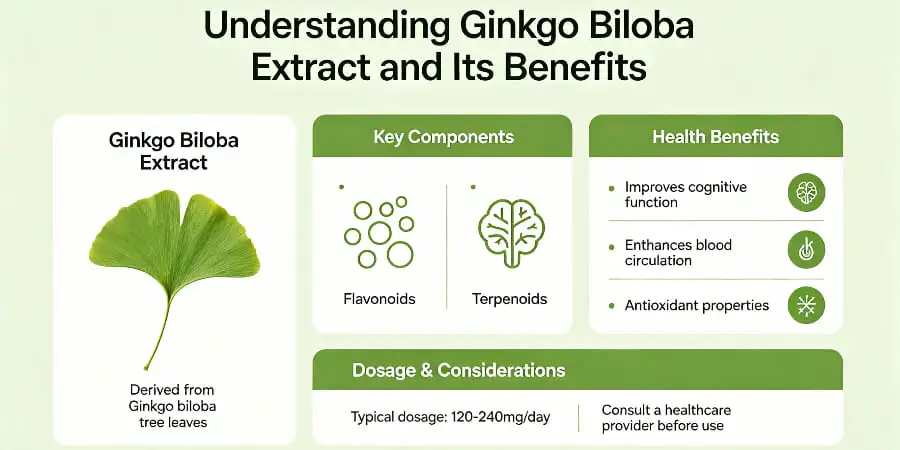
Understanding Ginkgo Biloba Extract and Its Benefits
Botanical Origin and Extraction Methods
Ginkgo leaf extract powder comes from the dried green leaves of Ginkgo biloba L., a rare species that comes from China and has been around for more than 200 million years. An acetone-water method is usually used for the extraction process, which results in a drug-to-extract ratio of about 50:1. This process of concentration separates and boosts the beneficial compounds while gradually getting rid of the unwanted parts, especially ginkgolic acids, which are allergenic alkylphenols that are reduced to less than 5 parts per million in pharmaceutical-grade materials.
Standardized products are made in strict accordance with pharmacopeial rules like the USP, EP, and Chinese Pharmacopoeia standards. The most well-known recipe follows the EGB761 standard, which calls for 24% flavone glycosides (such as quercetin, kaempferol, and isorhamnetin) and 6% terpene lactones (ginkgolides A, B, C, and bilobalide). This precise standardization solves a major problem in the industry: raw leaf preparations have variable potency and low bioavailability.
Scientifically Supported Health Benefits
Multiple physiological effects have been linked to the bioactive properties of ginkgo extract in clinical studies. Flavonoid glycosides are very good at fighting free radicals and keeping cell walls from getting damaged by oxidative stress. Terpene lactones work as platelet-activating factor antagonists, which means they help blood flow and microcirculation in brain and body cells.
Cognitive function improvement is the most studied use. Meta-analyses show that older people can benefit from improvements in their memory retention, thinking speed, and executive function. Supporting circulation also includes maintaining healthy peripheral arteries, where better blood flow may help ease the signs of poor circulation. The extract protects neurons by stabilizing mitochondria and changing serotonin systems. This is one reason why it has been used for a long time in anxiety-relieving products.
Dosage Guidelines and Application Parameters
The usual medicinal dose is 120 to 240 mg of standardized extract per day, spread out over two or three doses. When making delivery methods, product developers need to think about bioavailability factors. The extract is only slightly soluble in water, so it needs to be processed in a certain way before it can be used in liquids. The most common form is still encapsulation in hard-shell capsules or compression into tablets, because the powder's ability to flow and compress helps with high-speed production processes.
Comparing Ginkgo Biloba Extract with Other Supplements
Positioning Against Competing Botanicals
When compared to ginseng, fish oil, and vitamin E, ginkgo leaf extract has its own place in the markets for brain and heart health. Ginseng mainly works on energy production and adapting to stress through ginsenoside compounds. Fish oil, on the other hand, provides omega-3 fatty acids that help the heart and reduce inflammation. Vitamin E is an antioxidant that works with lipids, but it doesn't have the vascular-specific effects that ginkgo's terpene lactones do.
This difference is very important for design strategy. Ginkgo is often found with B vitamins or phosphatidylserine in brain health products because they work on different paths at the same time. It may be mixed with horse chestnut extract or hawthorn berry in recipes that help the circulation. When procurement teams understand these synergies, they can place ingredients correctly in formulas with more than one part.
Standardization as a Quality Differentiator
In B2B buying situations, it's impossible to say enough about how important it is to use standardized extracts instead of non-standardized ones. Standardization makes sure that active marker chemicals are the same from batch to batch. This makes it possible to predict how well a product will work and makes regulatory paperwork easier. Materials that aren't standardized add variation that makes stability tests, label claims, and customer efficacy outcomes more difficult.
Premium providers use strict quality control methods, such as HPLC fingerprinting to measure flavonoids and terpene lactones, heavy metal screening below USP limits, microbial testing to pharmaceutical standards, and allergen profiling to find any remaining ginkgolic acids. These factors have a direct effect on the success of downstream manufacturing and the trustworthiness of a brand in markets with lots of competition.
How to Source and Purchase Ginkgo Biloba Extract for B2B Needs?
Supplier Evaluation Criteria
To find reliable partners, you need to do a thorough evaluation of many factors. When a factory gets GMP approval, it means that it meets international quality standards for extracting and processing plants. ISO 9001 certification shows a dedication to consistent quality management systems. ISO 22000 or FSSC 22000 certifications deal with food safety issues that are very important for supplement uses.
In addition to certificates, people who work in procurement should look at how well people can analyze data. Regulatory compliance starts with suppliers who offer third-party testing reports, certificates of analysis with full assay results, and clear paperwork for traceability. Client references and clear information about production capacity are two more ways that established makers can be told apart from middle-level traders.
Customization and Technical Support
Wellgreen's production skills go beyond standard requirements so that we can meet the needs of custom formulations. Standardization ratios can be changed, like changing the profiles to 22% flavonoids and 5% terpene lactones or 24% flavonoids and 6% terpene lactones, based on the needs of the application. Batch stability testing shows how well a product will last in different storage conditions over time, which is important information for planning for the long term.
Contract manufacturers and private-label producers can get a lot of value from OEM formulation development help. Technical teams work together to test how well ingredients work together, choose the best excipients, and find the best dose forms. This way of working together cuts down on the time it takes to make new products and the risks that come with using plant extracts in formulations.
Logistical and Supply Chain Considerations
Minimum order amounts depend on the supplier's size and the type of product being bought. They usually range from 25 kg for specialty formulations to multi-ton contracts for large-scale operations. Lead times rely on how much inventory is available and how custom the processing needs to be. For standard specifications, lead times are usually between two and four weeks. Fiber drums with polyethylene liners can hold bulk powder, vacuum-sealed foil bags can hold smaller amounts, and private labels can be used to make the packaging more unique.
Customs paperwork, like certificates of origin, phytosanitary certificates for plant materials, and compliance declarations that are in line with the rules of the target country, needs to be carefully thought out when shipping goods around the world. Established sellers keep in touch with freight forwarders who know how to handle botanical ingredients. This helps avoid delays and keeps the cold chain intact when needed.
Safety, Side Effects, and Regulatory Considerations
Safety Profile and Contraindications
Clinical safety data spanning decades shows that ginkgo extract powder is well tolerated at the suggested doses. Some mild side effects that have been mentioned by a small number of users are stomach pain, headaches, and feeling dizzy. These affects usually go away when the dose or time of administration is changed.
Contraindications should be taken into account on product labels and in tools for educating consumers. Because the extract lowers platelets, people who are taking blood thinners or getting ready for surgery should be careful. Due to a lack of safety data, women who are pregnant or breastfeeding should also not use this product. Responsible makers give full safety information sheets and label instructions to help end users communicate properly.
Adulteration Risk Management
Economic adulteration is a problem that keeps coming up in the markets for plant extracts. Bad goods might have synthetic quercetin or rutin added to make the flavonoid content look higher, which can hurt the effectiveness of the therapy and make it harder to follow the rules. Some ways to make sure something is real are to ask for HPLC chromatograms that show full flavonoid profiles instead of just single-marker quantification, to ask for certificates of analysis from approved laboratories, and to try new materials using tried-and-true analytical methods.
Regulatory Compliance Frameworks
Botanical products have to follow different rules in different global markets. The DSHEA law in the US regulates dietary supplements and requires that they follow current Good Manufacturing Practices, have correct labeling with disclaimers for structure-function claims, and have methods for reporting adverse events. Food supplement directives set maximum daily dose limits and specific purity standards for markets in the European Union.
Documents for export must match the needs of the target country. This includes health certificates, free sale certificates, and, if needed, ingredient registration. Suppliers who know a lot about foreign trade keep compliance databases that track changes to regulations in the biggest markets. This way, they can give clients up-to-date information to help import processes go smoothly.
Conclusion
Ginkgo biloba extract possesses an built up position inside cognitive wellbeing and circulatory bolster markets, esteemed for its standardized bioactive profile and broad clinical approval. Effective obtainment requires consideration to extraction standardization, provider certification profundity, expository confirmation conventions, and administrative arrangement. The extract's flexibility over capsule, tablet, useful refreshment, and corrective applications—combined with its compatibility in combination formulas—positions it as a foundational fixing for different item categories. By collaborating with producers committed to quality confirmation, bunch consistency, and specialized bolster, obtainment experts secure supply chain unwavering quality that interprets to downstream item victory and brand validity in competitive worldwide markets.
FAQ
What is the optimal dosage for cognitive enhancement products?
Standardized formulations typically deliver 120 to 240 mg daily of 24%/6% extract, divided into multiple doses. Product developers should reference clinical study protocols when establishing label claims and recommended serving sizes.
How can I verify supplier authenticity and extract quality?
Request comprehensive certificates of analysis showing flavonoid and terpene lactone profiles via HPLC, ginkgolic acid content confirmation below 5 ppm, heavy metal screening results, and microbial testing data. Third-party laboratory verification adds additional assurance.
Does ginkgo extract interact with common medications?
The extract's antiplatelet effects may potentiate anticoagulant medications including warfarin and aspirin. Product labels should include appropriate warnings advising consultation with healthcare providers for individuals on blood-thinning medications.
Is the extract suitable for long-term formulation stability?
Properly processed extracts demonstrate excellent stability when protected from moisture, light, and elevated temperatures. Stability testing data spanning 24 to 36 months under controlled conditions confirms shelf-life performance in typical packaging configurations.
Partner with a Trusted Ginkgo Biloba Extract Supplier
Wellgreen Technology operates as a specialized ginkgo biloba extract manufacturer, maintaining GMP-certified production facilities with comprehensive quality control infrastructure. Our standardized extract powder meets international pharmacopeial standards with customizable specifications ranging from classic 24%/6% profiles to tailored ratios addressing specific formulation requirements. Batch-to-batch consistency stems from rigorous incoming material screening, validated extraction protocols, and finished product testing that controls impurities to pharmaceutical-grade levels. We support OEM product development through technical consultation, stability testing assistance, and flexible minimum order quantities accommodating both emerging brands and established manufacturers. Contact our procurement specialists at wgt@allwellcn.com to discuss your sourcing needs, request product samples, and explore how our stable supply chain and technical expertise can strengthen your product portfolio.
References
Koch, E. (2005). Inhibition of platelet activating factor (PAF)-induced aggregation of human thrombocytes by ginkgolides: considerations on possible bleeding complications after oral intake of Ginkgo biloba extracts. Phytomedicine, 12(1-2), 10-16.
DeKosky, S.T., et al. (2008). Ginkgo biloba for prevention of dementia: a randomized controlled trial. Journal of the American Medical Association, 300(19), 2253-2262.
Mahadevan, S., & Park, Y. (2008). Multifaceted therapeutic benefits of Ginkgo biloba L.: chemistry, efficacy, safety, and uses. Journal of Food Science, 73(1), R14-R19.
European Pharmacopoeia Commission. (2019). Ginkgo leaf dry extract, refined and quantified. European Pharmacopoeia, 9th Edition, Monograph 1827.
McKenna, D.J., Jones, K., & Hughes, K. (2001). Efficacy, safety, and use of ginkgo biloba in clinical and preclinical applications. Alternative Therapies in Health and Medicine, 7(5), 70-90.
van Beek, T.A., & Montoro, P. (2009). Chemical analysis and quality control of Ginkgo biloba leaves, extracts, and phytopharmaceuticals. Journal of Chromatography A, 1216(11), 2002-2032.