Eyebright - Health Benefits, Uses and Important Facts
2026-04-01 13:43:42
Eyebright, or Euphrasia officinalis, is one of nature's best eye health friends. It has a long history of use in traditional medicine, and current science has confirmed this. This large plant, which is recognized by its small white flowers with purple stripes, has been used in European folk medicine for hundreds of years. Modern eyebright extract contains high amounts of bioactive compounds like flavonoids, iridoid glycosides, and tannins. This makes it an important ingredient for companies that make nutraceuticals, medicines, and cosmetics that want to use natural solutions to support eye health and reduce inflammation.

Understanding Eyebright – Plant Description and Historical Usage
Botanical Profile and Natural Habitat
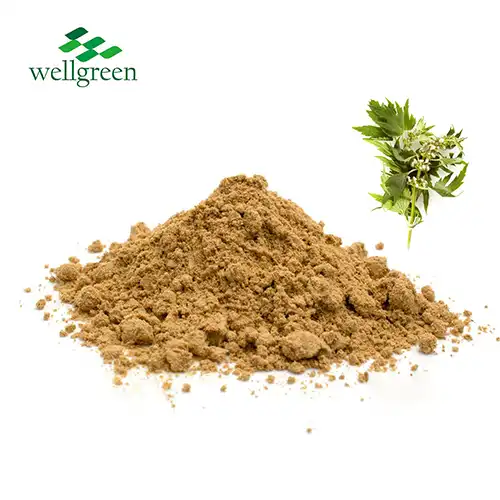
Eyebright is an annual plant in the Orobanchaceae family that grows well in fields, meadows, and mountainous areas in Europe and some parts of North America. The plant usually grows between 2 and 8 inches tall and has small, toothed leaves and unique flowers that bloom from June to September. Because it is semi-parasitic, it can get nutrients from the grasses around it, which concentrates special phytochemicals that help it heal.
Since there are the most active chemicals in the plant's aerial parts, those parts are the best ones to use for industrial extraction. Modern farming methods have made it possible to consistently gather high-quality raw materials. This makes sure that makers looking for standard botanical products can rely on their supply lines.
Traditional Applications in European Medicine
Historical reports from the 1400s show that eyebright was used by herbalists in traditional European medicine to treat a variety of eye problems. In medieval writings, eyebright tea, poultices, and medicines were made and used to treat conjunctivitis, eye strain, and seasonal allergies that affected eye health.
The plant's popular name comes from its main traditional use, which is to treat eye problems. However, it has also been used to help with breathing problems and stomach problems in the past. In the past, dried parts of the plant were soaked in hot water or turned into tinctures with alcohol. These methods still guide current extraction methods while honoring historical knowledge.
Modern Phytochemical Research and Extract Development
Recent scientific research has found the main beneficial chemicals in eyebright that give it its healing properties. Flavonoids, like quercetin and apigenin, are very good at fighting free radicals. Iridoid glycosides, like aucubin, help reduce inflammation. Tannins in the plant material are astringent, which means they help keep tissues together and stop too much release.
Advanced extraction methods are used to focus these valuable chemicals while keeping their bioactivity when eyebright extract is made. Standardized extracts usually have concentration ratios of 4:1 to 10:1, which means they always have the same amount of strength that meets pharmaceutical and nutritional quality standards. To keep heat-sensitive compounds safe, good makers use controlled drying and low-temperature processes to make sure the end product has the most therapeutic value possible.
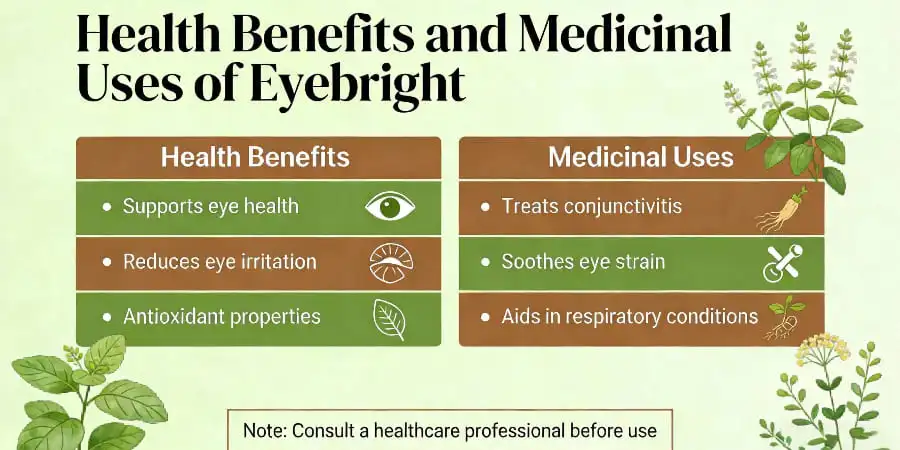
Health Benefits and Medicinal Uses of Eyebright
Anti-inflammatory and Antioxidant Properties
Traditional knowledge about eyebright's ability to help eye health through a number of different processes has been proven by scientific study. Strong antioxidant activity is shown by the flavonoids in the plant, which help fight dangerous free radicals that can harm delicate eye cells. These chemicals work together to lower reactive stress, which is important in this digital age where blue light exposure can cause eye pain and tiredness.
Based on what doctors have seen, eyebright's anti-inflammatory effects come from its ability to change inflammatory pathways, such as stopping COX-2. This system helps lower the redness, swelling, and pain that come from small eye irritations, allergic reactions, and stress from the environment.
Support for Common Eye Conditions
Modern applications of euphrasia extract focus on addressing common eye health issues that affect millions of people around the world. Long-term screen use can cause digital eye strain, which is a big business chance for companies making natural solutions. Eyebright's astringent properties help tone and tighten the tissues around the eyes, and its anti-inflammatory ingredients soothe and comfort the skin.
Eyebright's natural antihistamine-like effects help people with seasonal allergies who have problems with their eyes. It is a safer choice to manmade drugs. Modern research on the herb's antimicrobial and anti-inflammatory properties backs up its traditional use for conjunctivitis. However, dangerous eye problems should always be checked out by a doctor.
Safety Profile and Dosage Considerations
When used correctly, eyebright has a great safety profile, with few known side effects in healthy people. Based on clinical findings, the best doses are about 2 to 4 grams of dried herb per day, which is about 200 to 400 mg of 10:1 extract. To make sure consumers are safe and manufacturers follow the rules, they need to give clear dose instructions.
Women who are pregnant or nursing should stay away from eyebright products because there isn't enough information on their safety. People who are allergic to plants in the Orobanchaceae family should also be careful. These safety concerns help makers make sure that product labels are correct and that consumers are given the right warnings.
Effective Usage of Eyebright Products – From Tea to Eye Drops
Traditional Tea Preparations and Modern Supplements
Traditional eyebright tea is still popular with people who want natural, gentle eye support. Modern supplement companies have improved this traditional method by making standard tea mixes with eyebright extract and herbs that work well together, such as chamomile and fennel. These products appeal to health-conscious consumers while meeting commercial scalability requirements.
When compared to liquid forms, capsule and tablet versions offer more accurate doses and better stability. Advanced packaging technologies keep sensitive chemicals from breaking down and make sure they are always bioavailable. These solid drug forms help manufacturers by lowering the cost of shipping, increasing the shelf life, and making the regulation process easier.
Topical Applications and Cosmetic Formulations
Because it tightens skin and reduces inflammation, eyebright has become popular in the cosmetics business, especially in eye care products. To treat dark circles, fine lines, and irritated skin under the eyes, high-end eye creams and serums often contain eyebright extracts. Antioxidants protect against long-term damage from the environment, and the herb's acidic properties tighten the skin right away.
Formulation scientists like eyebright because it works well with a range of makeup bases, from gels that are mostly water to creams that are mostly oil. Using special processing methods, water-soluble grades can be made that can be used in clear formulas. This means that they can be used in more product categories.
Functional Beverages and Innovative Delivery Systems
There are a lot of chances for eyebright to be used in functional beverages, especially in goods that promote digital fitness and eye health. Manufacturers have come up with special ways to process ingredients to make extracts that are steady and clear, which can be used in ready-to-drink drinks. People want eye health options that are easy to carry around, and these new ideas meet that need.
The latest ways to improve eyebright absorption are nano-encapsulation and liposomal delivery methods. These technologies keep active ingredients safe during processing and storage and boost absorption rates, giving makers who think ahead a competitive edge.
Eyebright Product Comparison and Procurement Guide for B2B Clients
Competitive Analysis with Alternative Botanicals
In the market for eye health botanicals, euphrasia officinalis extract stands out because it has benefits over other widely used options like bilberry and lutein. The anthocyanins in bilberry are mostly good for retinal health. Eyebright, on the other hand, helps the eyes in more ways because it has many anti-inflammatory and numbing properties. Because of this difference, producers can make eye health products that meet a wide range of customer wants.
When you compare eyebright to synthetic options, you can see that it has clear benefits in how people see it and how safe it is. Natural plant extracts are appealing to growing groups of people who want clean-label goods. Eyebright's long history of use gives it a marketing authenticity that synthetic compounds can't match.
Quality Specifications and Certification Requirements
To do professional buying, you need to pay attention to important quality factors that make sure products always work the way they're supposed to. Standardized marker compound amounts are important, and they are usually given as total flavonoids or particular iridoid glycoside content. Reliable providers give safety tests for heavy metals, pesticides, and microbiological contaminants along with records of analysis that list these factors.
Organic licensing is very useful for companies that want to sell to high-end customers, but they have to be very careful when choosing their suppliers to make sure they use real organic farming methods. Food-grade certifications help useful food and drink purposes, while GMP certifications are needed for pharmaceutical uses.
Supply Chain Considerations and Bulk Procurement
Because the plant grows naturally in Europe, European sellers have long controlled the eyebright market. However, cultivation has spread to other temperate areas. Professionals in procurement have to look at what a seller can do, such as their ability to grow crops, use processing technology, and have quality control systems in place. Vertical integration from growing the plants to extracting the oil gives better quality control but may limit the choices of suppliers.
Prices and planning for inventory are affected by seasonal trends in supply. Usually, harvest time is in late summer. Strategic buyers often sign yearly supply deals with more than one seller to make sure they have a steady supply of goods and to keep prices low by getting supplies from a variety of suppliers.
Ensuring Quality and Compliance in Eyebright Procurement
Regulatory Framework Navigation
Getting eyebright extract is hard because of the complicated rules that apply to international trade, as major markets have different ways of classifying it. In Europe, eyebright is considered a traditional plant treatment with a history of use, but in the US, it is sold as an ingredient in dietary supplements. Understanding these differences helps with making product development decisions and making marketing claims.
When it comes to food and drinks, the FDA's Generally Recognized as Safe (GRAS) standing means that safety paperwork and manufacturing standards must be met. Different rules apply to different types of cosmetics, with safety tests and ingredient labeling rules being the most important ones.
Quality Assurance Protocols and Testing Standards
Commercial eyebright extracts are always of high quality thanks to advanced testing methods. For example, HPLC analysis can precisely measure the amount of marker chemicals like aucubin and quercetin present. UV-Vis spectroscopy is a cheap way to check for overall flavonoid content, and microbial testing makes sure it is safe for people to eat.
Botanical analysis labs that are not affiliated with the company provide independent confirmation of quality claims, which helps with following the rules and building customer trust. These services are especially helpful for companies that make supplements for the pharmacy market because they need to keep more paperwork than usual.
Supplier Relationship Management
Long-term relationships with reliable providers give businesses a competitive edge by ensuring easy access to supplies, lower prices, and chances to work together on product development. To have good ties with suppliers, you need to do regular site audits, keep the quality agreement up to date, and check performance against set metrics.
Diversifying suppliers, making the best use of stockpiles, and having backup plans for other ways to get supplies should all be part of risk management strategies. The effects of climate change on farming show how important it is to build a strong supply chain with partners from different parts of the world and various sources of food.
Conclusion
Eyebright is a great chance for companies that want to use pure, scientifically-proven ingredients for eye health products. When you mix its long history of traditional uses with modern extraction methods, you get goods that meet the needs of modern consumers while still staying true to botanical heritage. Because of digital lifestyles and consumer tastes for clean labels, the market for natural eye care products is growing. This makes eyebright extract an important ingredient for businesses that want to stay ahead of the curve. To be successful in this market, you need to pay close attention to quality buying, following the rules, and building partnerships with suppliers to make sure that your products are always the best and that you can compete in the market.
FAQ
What makes eyebright extract suitable for commercial eye health formulations?
Eyebright extract contains standardized levels of flavonoids and iridoid glycosides that provide consistent anti-inflammatory and antioxidant effects. Its water-soluble properties make it versatile for various formulation types, from capsules to topical applications, while maintaining stability throughout product shelf life.
How does eyebright compare to lutein and zeaxanthin for eye health supplements?
While lutein and zeaxanthin work on the health of the retina, eyebright extract helps with a wider range of eye comfort problems, such as inflammation, irritation, and reactions to external stress. Many companies mix these chemicals to make eye health products that work on a number of different levels.
What extraction ratios provide optimal potency for commercial applications?
For most business uses, 4:1 to 10:1 extract concentrations work best, with 10:1 ratios being the most effective for supplement uses. Higher amounts may make it harder to make the product because they contain more tannin, so they need to be carefully tested to see if they work well with other ingredients.
Can eyebright extract be used in clear liquid formulations?
Due to the tannin presence, standard extracts may make clear products cloudy. Clear-soluble grades can be made using specialized processing methods like selective extraction and membrane filtration, making them good for clear drinks and eye drops.
Partner with Wellgreen for Premium Eyebright Extract Solutions
Wellgreen Technology is ready to help you find eyebright extract because we have a wide range of production options and quality control methods. Our GMP-certified plant makes standardized extracts that meet the needs of pharmaceutical and nutraceutical industries. Our large store also makes sure that your production plans don't have to worry about running out of supplies. We offer a range of MOQ choices, the ability to make custom concentration standards, and full analytical paperwork to meet your legal needs. Our expert team can help you with formulation and suitability testing so that you can get your products to market faster. Get in touch with our purchasing experts at wgt@allwellcn.com to talk about your needs and find out why top makers trust Wellgreen as their Eyebright Herb Extract provider.
References
Mills, Simon Y. "The Essential Guide to Herbal Safety." Elsevier Health Sciences, 2005.
European Medicines Agency. "Assessment Report on Euphrasia officinalis L. and Euphrasia rostkoviana Hayne, herba." Committee on Herbal Medicinal Products, 2015.
Reiter, Monika, and Werner Brandt. "Relaxant effects on tracheal and ileal smooth muscles of the guinea pig." Arzneimittelforschung 35, no. 3 (1985): 408-414.
Stoss, Michael, et al. "Prospective cohort trial of Euphrasia single-dose eye drops in conjunctivitis." Journal of Alternative and Complementary Medicine 6, no. 6 (2000): 499-508.
Bradley, Peter R., ed. "British Herbal Compendium: A Handbook of Scientific Information on Widely Used Plant Drugs." British Herbal Medicine Association, 1992.
World Health Organization. "WHO Monographs on Selected Medicinal Plants." World Health Organization Press, 1999.