Grape Seed Extract Powder Delivers Standardized Polyphenols for Advanced Formulations
2026-08-24 15:39:28
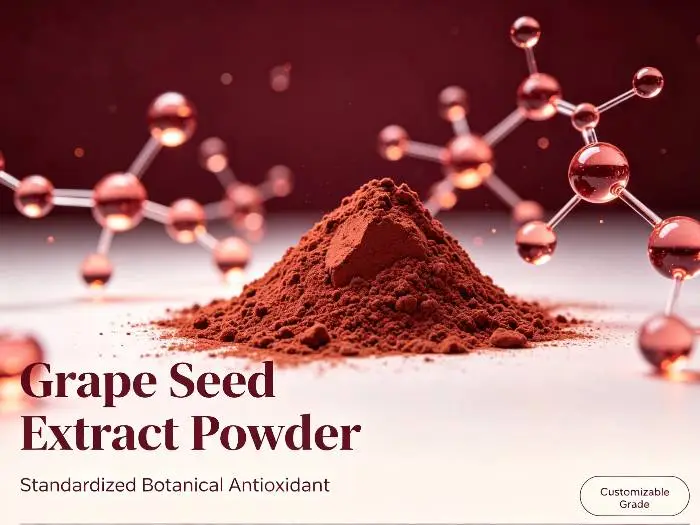
Grape Seed Extract Powder stands as a premier botanical ingredient derived from the dried seeds of premium red grapes (Vitis vinifera L.), processed through gentle water-ethanol extraction, macroporous resin purification, concentration, refinement, and drying. This natural plant extract delivers exceptionally high concentrations of oligomeric proanthocyanidins (OPCs) and polyphenolic compounds, establishing it as a powerful free radical scavenger for advanced formulation development across nutritional products, pharmaceutical, functional food, and cosmetic applications.
Understanding Grape Seed Extract Powder and Its Standardized Polyphenols
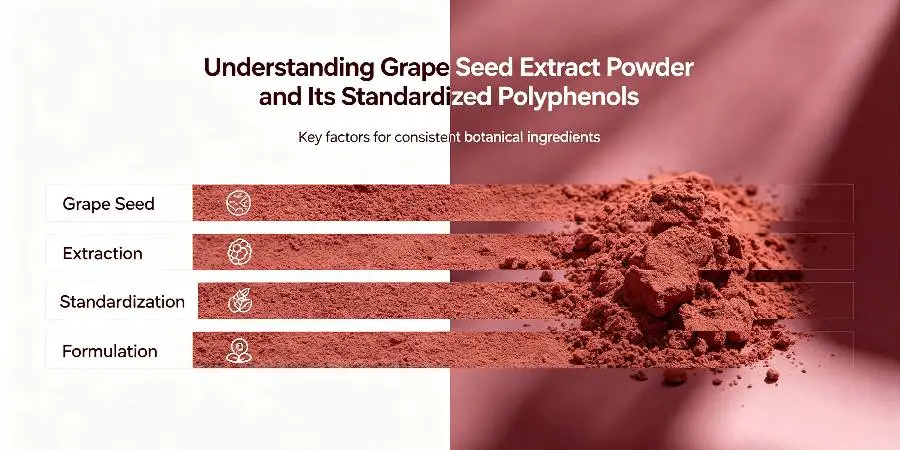
The strict process of standardization is what makes high-quality grape seed extract so technically advanced. Unlike other antioxidants, this ingredient is carefully calibrated to make sure that the levels of active compounds stay the same. The levels of proanthocyanidins are usually standardized to ≥95% using HPLC or UV methods, and the levels of total polyphenols reach ≥95% using approved testing techniques.
The Science Behind Proanthocyanidin Standardization
Proanthocyanidins are made up of oligomeric and polymeric flavonoids that are much stronger antioxidants than vitamins E and C—by 20 to 50 times, respectively. This amazing ability comes from the compound's special chemical structure, which makes it more bioavailable and easier for cells to enter.Standardization ensures that every production batch delivers consistent functional performance.This is very important for companies that are making evidence-based medicines that need to have consistent clinical outcomes.
Why Powder Form Excels in B2B Manufacturing
There are clear benefits to using powder instead of oil-based or whole seed materials. Because it is concentrated, it is easy to control the dose, which is important for compressing tablets, filling capsules, and adding nutrients to drinks. The refined extraction process gets rid of unwanted lipids and fibers while keeping heat-sensitive polyphenols. This makes an ingredient that is stable and lasts longer. Particle size distribution (usually 95-100% passing 80 mesh) and controlled bulk density (0.35-0.65 g/ml) are some of the physical qualities that make it easy to add to automatic production lines.
When manufacturers get this botanical extract, they get an ingredient that can be used in a lot of different types of products. The standard profile gets rid of batch-to-batch variation, which is a problem that always comes up with raw botanical materials. It also meets the high quality standards that regulators and picky customers demand.
Key Applications and Uses of Grape Seed Extract Powder in B2B Sectors
Polyphenols from grape seeds are considered a "Cellular Antioxidant and Microcirculation Shield" around the world. This has led to their widespread use in many different industries. This ingredient meets three consumer trends at once: "Beauty from Within," "Healthy Aging," and "Clean Label." It is one of the most commonly requested botanical extracts in the health markets in North America, Europe, Asia-Pacific, and Australia.
Nutraceutical and Dietary Supplement Formulations
Cardiovascular wellness is one of the primary areas where Grape Seed Extract Powder is used for its functional properties. Grape Seed Extract Powder contains naturally occurring polyphenols that can support vascular health and help maintain normal capillary function, making it a useful ingredient for formulations targeting circulatory wellness. Product manufacturers may incorporate Grape Seed Extract Powder into daily health capsules, cardiovascular support blends, and sports nutrition recovery formulas. For consumers who experience lower-limb discomfort after prolonged sitting or standing, products containing Grape Seed Extract Powder may be formulated as part of a broader approach to maintaining overall circulatory wellness.
Due to its influence on tyrosinase activity, the ingredient is an important component of many ingestible beauty products. It supports brighter, more resilient skin by helping to maintain healthy melanin balance and protecting collagen and elastin from enzymatic breakdown. This makes the extract necessary for high-end lines of anti-aging and skin-whitening supplements that aim to capture the growing market for beauty products that can be eaten.
Cosmetic and Personal Care Applications
Standardized polyphenols have been scientifically demonstrated to help neutralize free radicals and support healthy cellular function. The chemicals deactivate free radicals that are made by UV light and external stresses, and they also help protect the dermal matrix. This extract is often the main active ingredient in high-end anti-aging serums, protective day creams, and rejuvenating masks. The concentrations are adjusted to meet specific efficacy goals and product positioning.
Functional Food and Beverage Integration
There are a lot of growth opportunities in the wellness beverage market, but formulating problems need technical know-how. It is important to pay close attention to stable factors when adding polyphenol-rich extracts to ready-to-drink drinks, protein mixes, and fortified foods. Color loss, precipitation, or sediment can be caused by pH sensitivity, metal ion interactions, and temperature exposure. Sophisticated suppliers get around these technical problems with special solubilization technologies and buffer systems.
These different uses show why sourcing workers in pharmaceutical API development, OEM contract manufacturing, and creating new brands always ask for this botanical extract. The ingredient's proven effectiveness and clean-label appeal meet market needs and help with strategies for product differentiation.
Choosing the Right Grape Seed Extract Powder for Your Formulations
Specification sheets aren't the only thing that goes into the selection process; quality marks, provider skills, and formulation compatibility must all be carefully looked at as well. Making smart choices in this area has a direct effect on how well a product works, how well it meets regulations, and how well it does in business.
Critical Quality Benchmarks and Certifications
Verifying the real source is very important, because adding pine bark extract or peanut skin polyphenols to products on the market makes them less effective and less safe. Reliable suppliers offer HPLC fingerprint chromatography (HPTLC) authentication that proves the proanthocyanidins they sell are 100% pure and not made from any inferior ingredients. This level of scientific thoroughness also applies to the screening of contaminants, which must meet the standards set by the USP and EP for heavy metals, pesticide residues, plasticizers, and polycyclic aromatic hydrocarbons (PAHs).
Certifications like ISO 9001, GMP compliance, organic certifications, and third-party testing validation give objective proof of excellent manufacturing. Transparency about the country of origin makes it possible to track back to the places where premium wine grapes are grown, where post-pressing seeds have better phytochemical profiles than table grape types.
Physical Form Customization for Diverse Applications
Different types of products have very different manufacturing needs, which means the physical specifications of Grape Seed Extract Powder may need to be adjusted for the intended application. Instant water-soluble micronized Grape Seed Extract Powder can help address formulation challenges in beverages because it is designed to disperse or dissolve more readily in cold liquids with minimal residue, which is useful for ready-to-drink functional beverages and liquid oral supplements. On the other hand, directly compressible Grape Seed Extract Powder granules with suitable bulk density and flow properties can make high-speed tableting and capsule filling more efficient, potentially reducing production downtime and equipment wear. Selecting the appropriate form of Grape Seed Extract Powder according to the manufacturing process can therefore improve handling, processing efficiency, and finished-product consistency.
Comparative Positioning Against Alternative Antioxidants
Comparative analysis against other botanical antioxidants can help with strategic formulation decisions. Resveratrol and turmeric extract can help with inflammation and aging, but grape seed polyphenols have much higher ORAC (Oxygen Radical Absorbance Capacity) values and better microcirculatory support. These values often go above 10,000 µmol TE/g. Because of its unique properties, this ingredient should be put at the top of the list in beauty and heart-healthy products where antioxidant strength and collagen protection are the main benefits.
The operational factors that are looked at when evaluating a supplier include the ability to change the minimum order quantity, the speed with which technical support is provided, the completeness of regulatory documentation, and the reliability of the supply chain. Partnerships with manufacturers that keep large amounts of inventory on hand and a variety of sourcing networks lower the risk of disruptions while allowing for quick product development cycles.
Procurement Considerations for Bulk Buyers and OEM Clients
When you use strategic sourcing, you have to find a balance between cost structures and quality assurance, knowing that if you compromise on specifications, the product's identity and the brand's image will suffer. Instead of just looking at prices per kilogram, smart procurement teams look at the total cost of ownership.
Market Dynamics and Value Optimization
The prices of botanical extracts change around the world depending on the supply of raw materials, the level of complexity of the extraction technology, and the need for certification. The higher prices of premium-grade extracts are justified by clear benefits, such as the removal of solvent residue through green extraction methods, consistent color from batch to batch through standard blending protocols, and anti-caking granulation that lowers the need for manufacturing line maintenance.
Long-term supply agreements and volume commitments can often get you better business terms and make sure you get your share when supply is tight. Clear conversations with sellers about the cost structure, including where to get the raw materials, how much to extract, how much to spend on quality control, and how to keep the certification up to date, help everyone understand each other and build long-lasting relationships.
Logistics and Stability Management
The strength of ingredients stays the same throughout the distribution chain when they are properly packaged and stored. When used with secondary fiber drums, pharmaceutical-grade aluminum foil bags with moisture barriers protect against being exposed to humidity and oxidative degradation. The recommended storage temperature is usually cool and dry (below 25°C), and the humidity should be controlled so that the hygroscopic powder doesn't soak up water from the air and clump together.
When shipping goods internationally, it's important to keep an eye on the temperature, especially for water-soluble grades that are sensitive to heat. Customs clearing and ingredient approval are made easier with documentation packages that include Certificates of Analysis, allergen declarations, GMO statements, and letters of regulatory compliance.
Real-World Integration Success
As an example, a North American pharmaceutical brand developed a heart-health formulation using standardized Grape Seed Extract Powder together with complementary botanical ingredients. Working with a technically experienced supplier of Grape Seed Extract Powder helped address formulation stability challenges through personalized guidance on encapsulation and excipient compatibility testing. The final product containing Grape Seed Extract Powder demonstrated two years of shelf stability and maintained consistent polyphenol assay values, supporting a successful market launch and subsequent line extensions. This example shows how selecting high-quality Grape Seed Extract Powder and receiving appropriate technical support can contribute to product consistency, stability, and manufacturing success.
These results show how important it is to have ties with suppliers that go beyond just doing business. Technical teamwork that includes formulating problems, getting help from regulators, and sharing market information turns ingredient providers into development partners that directly contribute to business success.
Addressing Common Concerns and Ensuring Safe Use of Grape Seed Extract Powder
To use ingredients responsibly, you need to know a lot about safety standards, dosing instructions, and the rules that govern foreign trade and marketing of products.
Dosage Guidelines Across Application Categories
Nutraceutical formulas usually have 100 to 300 mg of standardized extract per serving, which is set to provide therapeutic levels of proanthocyanidin based on clinical research. In finished cosmetic formulations, concentrations range from 0.5 to 5%, with exact numbers depending on the type of product and the claims that need to be made about its effectiveness. For functional food applications, it's important to carefully calculate the balance between bioactive delivery and organoleptic properties, since too high of a concentration can make the food taste bitter.
Safety Profile and Contraindication Awareness
There have been very few reports of bad reactions to this ingredient, so it has a great safety record. Considerations include possible mild gastrointestinal effects at high intake levels and potential interactions with anticoagulant medications due to the effect of antioxidants on platelet function.Even though allergies are still very uncommon, formulators should follow standard allergen screening procedures and make sure that all ingredients are clearly labeled.
International Regulatory Compliance
To get into the US market, dietary supplements must follow FDA rules, such as current Good Manufacturing Practices (cGMP), accurate labeling claims, and proof of their GRAS (Generally Recognized As Safe) status. Novel Foods regulations, EFSA safety reviews, and individual member state standards must be followed in order to sell food in Europe. Regulatory reviews go more smoothly when there are complete paperwork packages that include accounts of the manufacturing process, data on stability, and toxicological studies.
Different places have different rules about what paperwork is needed to import goods, but in general, they need phytosanitary certificates, country of origin statements, and statements that the goods have not been irradiated. Suppliers who have experience with international trade can help with all regulations. This makes it easier for purchasing organizations to follow the rules and speeds up the time it takes for new products to hit the market.
These regulatory issues make it clear how important it is to use more than just price and specification sheets to choose a supplier. Partners who keep strong quality management systems, large libraries of documentation, and regulatory knowledge deliver real value by lowering risks and making it easier to get into markets.
Conclusion
The strategic value of standardized Grape Seed Extract Powder in modern formulation development comes from its scientific support, broad range of potential applications, and high antioxidant activity. As demand grows for effective, clean-label ingredients that support cardiovascular wellness, skin health, and healthy aging, Grape Seed Extract Powder continues to be an important plant-derived ingredient for product developers. The versatility of Grape Seed Extract Powder allows it to be incorporated into a variety of dietary supplements and functional formulations while meeting specific quality and standardization requirements. To achieve successful procurement, businesses should work with suppliers of Grape Seed Extract Powder that can demonstrate advanced technical capabilities, robust quality systems, reliable manufacturing processes, and collaborative support throughout the entire product development and launch process.
FAQ
What makes standardized grape seed extract superior to generic antioxidants?
Standardization makes sure that the amount of proanthocyanidin is the same in all batches of production, which is important for getting the same therapeutic results every time. The oligomeric structure of grape seed polyphenols makes them much more bioavailable and better at getting into cells than monomeric antioxidants. They have been shown to be 20 to 50 times more powerful than vitamins C and E.
Which certifications are essential when sourcing for pharmaceutical applications?
USP or EP compliance is the minimum standard. GMP certification, ISO 9001 quality management validation, and thorough analytical testing, such as HPLC fingerprinting, are also needed to make sure the botanicals are real and keep out any impurities. Full records of heavy metal screening and residue liquid analysis are very important when submitting to regulators.
Can grape seed polyphenols be combined with other botanical extracts?
Many commercial formulations have shown that it works well with complementary botanicals like turmeric, resveratrol, and green tea extracts. Stability testing is still necessary, though, because polyphenolic compounds may react with some minerals and need to be adjusted to the right pH level to keep finished products from precipitating or losing their color.
Partner with a Trusted Grape Seed Extract Powder Supplier
As a specialized producer of plant extract powder, Wellgreen Technology meets the strict quality standards of the nutraceutical, medicinal, cosmetic, and functional food businesses. Our production facilities are GMP-certified and use solvent-controlled extraction methods to work with quality wine grape seeds. The standardized polyphenol amounts they give are checked by HPLC. We keep a lot of stock on hand so that orders can be filled quickly. We also provide full regulatory documentation to help you get into global markets, and we offer formulation technical support to help you deal with the stability problems that come with using polyphenolic ingredients.
We can make micronized grades that dissolve in water for use in drinks and flow-optimized grains that are good for packaging. Full testing help, like ORAC analysis, microbial screening, and contaminant verification, makes sure that specifications are met, and working with OEMs makes it easier to create custom solutions that meet exact recipe needs. Please email our technical team at wgt@allwellcn.com to talk about your purchasing needs and to request free samples that show how committed we are to providing the best plant extracts. You can look at our full list of ingredients and quality system certifications at wellgreenherb.com.
References
1. Bagchi, D., Bagchi, M., Stohs, S.J., et al. "Cellular Protection with Proanthocyanidins Derived from Grape Seeds." Journal of Biochemistry and Molecular Toxicology, vol. 14, no. 6, 2000, pp. 329-334.
2. Fine, A.M. "Oligomeric Proanthocyanidin Complexes: History, Structure, and Phytopharmaceutical Applications." Alternative Medicine Review, vol. 5, no. 2, 2000, pp. 144-151.
3. Shi, J., Yu, J., Pohorly, J.E., Kakuda, Y. "Polyphenolics in Grape Seeds—Biochemistry and Functionality." Journal of Medicinal Food, vol. 6, no. 4, 2003, pp. 291-299.
4. Yamakoshi, J., Kataoka, S., Koga, T., Ariga, T. "Proanthocyanidin-Rich Extract from Grape Seeds Attenuates the Development of Aortic Atherosclerosis in Cholesterol-Fed Rabbits." Atherosclerosis, vol. 142, no. 1, 1999, pp. 139-149.
5. Cos, P., De Bruyne, T., Hermans, N., et al. "Proanthocyanidins in Health Care: Current and New Trends." Current Medicinal Chemistry, vol. 11, no. 10, 2004, pp. 1345-1359.
6. Nassiri-Asl, M., Hosseinzadeh, H. "Review of the Pharmacological Effects of Vitis vinifera (Grape) and its Bioactive Compounds." Phytotherapy Research, vol. 23, no. 9, 2009, pp. 1197-1204.