Is Soapnut Extract Good For Dry Skin?
2026-04-13 14:30:12
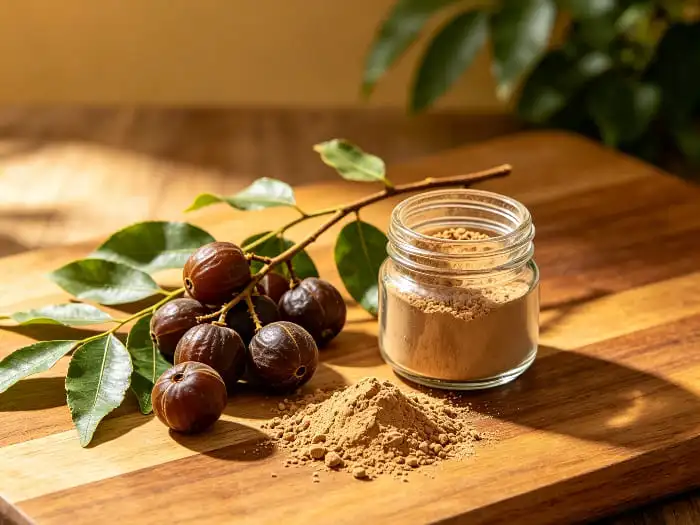
It is true that soapnut extract powder is very good for dry skin. This light brown to brownish powder comes from the pericarp of Sapindus mukorossi. It has 60–80% triterpenoid saponins, which are natural surfactants that clean gently without breaking down the skin's protective lipid layer. In contrast to harsh synthetic detergents that remove moisture and increase trans-epidermal water loss, soapnut extract powder preserves the acid mantle and has antibacterial and anti-inflammatory qualities. Because of this, it is a great ingredient for making products for skin that is dry, sensitive, or otherwise weakened.
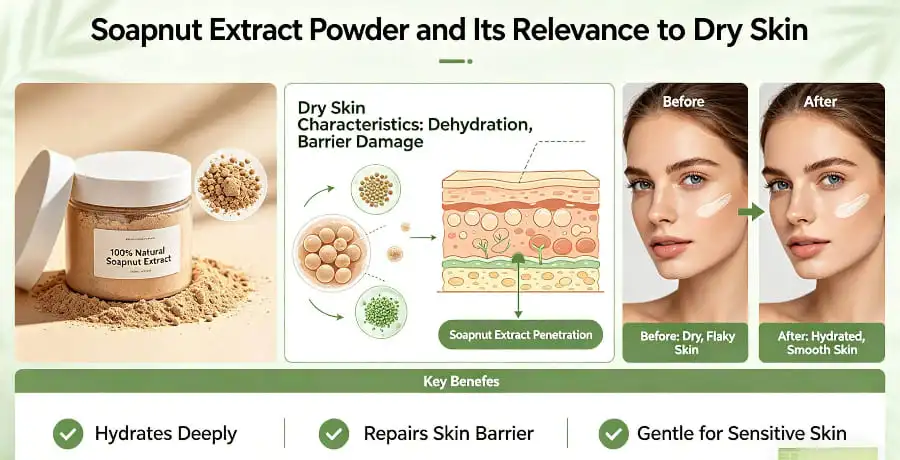
Understanding Soapnut Extract Powder and Its Relevance to Dry Skin
When we talk about how plant surfactants are changing skin care products, we always talk about ingredients that are high in saponins. Soapnut extract powder is a big step forward for formulators who are trying to make cleaning goods that work well and are gentle on the skin.
The Science Behind Saponins and Moisture Retention
Triterpenoid saponins, which are naturally amphiphilic molecules, are the main compounds that make soapnut extract work. Because these chemicals are both hydrophilic and lipophilic, they can stick to oils and dirt while keeping the skin moist. According to research, saponins build micelle structures at relatively low critical micelle ratios. This means that they work well without needing large amounts that could irritate sensitive tissue. The pH range of 4.5 to 6.0 in water-based products naturally matches the acid mantle of the skin. This stops the alkaline disruption that happens with regular soaps and makes dryness worse.
Anti-Inflammatory and Antibacterial Properties for Compromised Skin
Microfissures and redness are common in dry skin, which makes it easy for bacteria to settle on. It has been shown that soapnut oil can stop the growth of Staphylococcus aureus and Candida albicans. This antibacterial effect lowers the need for preservatives in finished products and directly addresses secondary problems related to xerotic conditions. It can be used in goods for people with atopic dermatitis and eczema because it reduces inflammation and soothes irritation without using synthetic corticosteroids.
Safe Usage Parameters for Product Development
Standardization is very important when formulating with plant extracts. A good soapnut extract powder should list the amount of total saponin it contains using approved UV-VIS or HPLC methods. The assay results should be clearly written on Certificates of Analysis that are specific to each batch. For rinse-off products, the recommended amounts are usually between 0.5% and 5%. For leave-on products, they are usually between 0.1% and 1%. Product designers should take into account that the powder is hygroscopic when making it, making sure that the right amount of wetness is controlled to keep the stability. When looking for raw materials that were collected from the wild, heavy metal tests and pesticide residue screening are even more important because these contaminants can make the products less safe and effective.
Comparing Soapnut Extract Powder to Other Natural and Synthetic Cleansers for Dry Skin
There are a lot of different surfactants available, and each one has its own performance profile and supply chain issues that need to be thought about. Figuring out what makes soapberry extract powder different helps improve methods for using ingredients.
Performance Against Conventional Synthetic Surfactants
Personal care products mostly use traditional cleaners like Sodium Lauryl Sulfate and Sodium Laureth Sulfate because they foam well and don't cost much. However, these anionic surfactants have a strong ability to denature proteins and remove lipids, which breaks down barriers and is measured by more water loss through the skin. When comparing SLS-containing products to saponin-based alternatives in clinical tests, the latter always show lower irritation levels and better stratum corneum hydration preservation with botanical surfactants. The main difference is how the molecules interact with each other: manmade detergents can get deeper into the lipid lamellae between cells more easily, while saponins mostly work at the surface level and are less likely to cause problems.
Advantages Over Liquid Soapnut Extracts and Whole Fruit Preparations
Liquid soapnut extracts and traditional soap nuts are both natural, but soapnut extract powder gives you more power over how the soap is made. The pure powder form doesn't have any changes in water content, so it doesn't have the risks of microbe contamination that come with liquid extracts. Standardized saponin content between 60% and 80% makes it possible to figure out exact doses, which is not possible with whole fruit products because their potency changes depending on when they are picked and how they are stored. This powder form also lets you use it in a lot of different ways, from water-soluble formulations to oil-based delivery methods, which gives you more options when you're making new products.
Environmental and Regulatory Considerations
Biodegradability data is becoming more important as COSMOS and Ecocert certifications stop being competitive benefits and become basic requirements. Soapnut extract powder meets OECD 301 standards for fast biodegradation, which solves the problem of some synthetic surfactants staying in the environment for too long. Based on ISO 16128 standards, the natural origin score makes it a good candidate for clean beauty claims. But, teams in charge of buying things should check that the goods are certified organic and that they can be tracked. This is especially important for wild harvesting methods that could affect long-term supply security and estimates of sustainability.
How to Use Soapnut Extract Powder for Effective Care of Dry Skin?
To turn ingredient specifications into commercial products, you need to know how to integrate information from the lab into the real world of manufacturing.
Formulation Guidelines for Personal Care Applications
The first step in using soapnut extract powder in cleaning products is to make sure it dissolves properly. When the water is between 40°C and 60°C, the powder dissolves easily and makes a light foam. Formulators usually mix 1% to 3% soapnut extract powder with humectants like glycerin, sodium hyaluronate, or polyglutamic acid to help products for dry skin keep more moisture in the skin. The slightly acidic pH doesn't need much to be changed, so buffering systems that can add more irritants aren't needed. When tested for compatibility with common cosmetic ingredients, most emulsifiers, preservatives, and plant extracts show stable interactions. However, chelating agents should be carefully looked at because they may interact with saponin structures.
Integration with Complementary Botanical Ingredients
Synergistic preparation methods make the benefits for dry skin conditions even greater. Combining soapnut extract powder with ceramide precursors, colloidal oatmeal, or Centella asiatica extract creates comprehensive barrier repair systems. Adding 0.5 to 1% allantoin speeds up the healing process of damaged skin by increasing cell proliferation. One effective way to make a sulfate-free body wash is to mix 2% soapnut extract powder with 3% betaine and 1% panthenol. This combination gets great scores from customers for mildness and how the skin feels after washing. Saponins' natural deodorizing qualities add to their usefulness, which could mean that separate fragrances aren't needed as much and ingredient lists are easier to understand.
Case Applications in B2B Product Development
A mid-sized personal care manufacturer approached their botanical extract supplier seeking alternatives to synthetic surfactants for a new hypoallergenic baby wash line. They got the same level of cleaning power as traditional formulas while keeping the pH level at 5.5 by using 2.5% standardized soapnut extract powder with 70% saponin content. Third-party clinical tests showed that erythema scores were 40% lower than with their old SLS-based formula. Setting up COA verification procedures and monitoring batch-to-batch consistency was needed for the procurement transition, but it led to successful product differentiation and positive market reception. This real-life example shows how technical standards can lead to real formulation results when there are good supplier partnerships.
Selecting and Procuring High-Quality Soapnut Extract Powder for B2B Needs
To make sure the quality of soap nut extracts that are bought, they need to be evaluated in a way that goes beyond price.
Critical Quality Evaluation Criteria
The first thing you should do when looking at possible suppliers is ask for proof of standardized testing. The Certificate of Analysis must list the total amount of saponin found using approved analytical methods, as well as the amounts of heavy metals like lead, arsenic, cadmium, and mercury that are below the international cosmetic limits. It must also list the results of any pesticide residue tests that show the product meets EU and FDA standards, and it must list the number of yeast, mold, and specific pathogens that are present. The uniformity, which ranges from light brown to brownish powder, shows that the right steps were taken for extraction and drying. By testing for solubility in your individual formulation matrix, you can avoid unpleasant surprises during scale-up. Suppliers who offer different grades of saponin give formulators more options, so they can make the best product for each purpose without sacrificing performance or cost-effectiveness.
Supplier Reliability and Manufacturing Standards
Looking at more than just the specs of the raw materials is important for making sure that long-term relationships stay strong. GMP-certified factories have systems in place to make sure quality control throughout the whole production process. Large inventory levels mean that established supply lines are less likely to be affected by changes in the seasonal availability of botanical raw materials. Help with regulatory paperwork, like INCI nomenclature, safety data sheets, and compliance advice specific to an area, makes things easier for procurement teams in terms of paperwork. OEM customization services let you specify the exact amount of saponin, the distribution of particle sizes, or specialty processes like micronization for better solubility. This lets you make sure that the raw materials meet the specific needs of your formulation.
Logistics and Commercial Terms for Bulk Procurement
Understanding the math of buying in bulk can help procurement budgets work better. For normal grades, the minimum order quantity is usually between 25 and 100 kg, and orders for full containers are given priority. Because the powder absorbs water, it needs to be shipped in containers that can keep it dry. These are usually aluminum foil bags inside fiber drums. Lead times for stock items are between 2 and 4 weeks, and they're between 6 and 8 weeks for custom orders that need special handling. In supplier deals, it should be clear what the payment terms are, how to settle quality disputes, and how samples should be taken. Supply security and qualification costs can be balanced by keeping primary partnerships and building new relationships with suppliers.
Strategic Advantages of Choosing Soapnut Extract Powder for Your Product Line
Positioning in the market depends more and more on telling true stories about ingredients that connect with knowledgeable customers while meeting performance standards.
Alignment with Global Clean Beauty Trends
The market for natural and organic personal care products keeps growing at faster rates than other categories. All types of consumers make buying choices based on how aware they are of ingredient safety, environmental impact, and sustainability credentials. Soapnut extract powder meets a number of needs: it comes from plants, breaks down naturally, has a history of traditional use, and works well. Products made with plant surfactants can be positioned as high-end, especially in markets where people want to avoid synthetic chemicals and switch brands. Some grades of soapnut extract powder are HALAL-certified, which lets them reach more market segments and possible customers without having to change the formula.
Differentiation in Competitive Marketplaces
When product lines are under pressure to become more similar, new ingredients can help them stand out. Using soapnut extract powder instead of regular surfactants makes real stories about clean beauty that are backed up by functional performance data. The antibacterial properties allow for dual-action product claims, which combine gentle cleaning with skin health support, which is appealing to people who have specific skin problems. Marketing communications can stress the natural foaming experience and skin compatibility without using synthetic additives. This makes ingredient stories easier to understand and helps people believe them. These unique qualities make the product stand out on store shelves and encourage people to buy it again, which justifies the money spent on product development.
Building Long-Term Brand Equity Through Sustainable Sourcing
Ethical sourcing stories have a bigger impact on how people see brands and how they interact with stakeholders. Soapnut farming creates jobs in areas where they have traditionally been grown, which has a positive social effect. Concerns about chemicals staying in the environment and being harmful to aquatic life are addressed by the biodegradable character. Supply chains that are clear and have paperwork that can be used to track them show that a company cares about being responsible, which is something that both big businesses and ethical customers value. These things add up to build brand equity assets that protect market place during tough competition and changes in regulations. This gives the company strategic resilience that goes beyond short-term sales metrics.
Conclusion
Soapnut extract powder is a scientifically proven and financially viable way to make gentle cleansers that moisturize and help dry skin. The high saponin content, natural antimicrobial qualities, and excellent skin compatibility make it possible to formulate products for personal care, cosmetics, and other specific uses. When making purchasing choices, it's helpful to look at standard testing protocols, supplier quality systems, and how to buy things in bulk. As clean beauty trends grow and rules change to favor natural ingredients, adding plant surfactants to product lines makes them more likely to stay relevant in the market and be liked by people of all ages and genders.
FAQ
Is soapnut extract powder safe for all skin types?
Soapnut extract powder demonstrates excellent safety profiles across most skin types, particularly benefiting dry and sensitive conditions. The natural pH compatibility and gentle surfactant action minimize irritation risks. Patch testing remains advisable for individuals with known botanical sensitivities. Clinical testing data should be requested from suppliers for specific product applications.
What is the recommended dosage in formulations?
Typical usage ranges from 0.5-5% in rinse-off products and 0.1-1% in leave-on applications, depending on desired cleansing intensity and saponin standardization. Formulation optimization requires testing within your specific product matrix to balance efficacy with sensory properties.
How does it compare cost-effectively to synthetic alternatives?
While per-kilogram costs exceed synthetic surfactants, the concentrated potency and multifunctional benefits often result in comparable formulation economics. Premium positioning opportunities and consumer preference for natural ingredients may justify ingredient investment through higher retail values and improved brand perception.
Partner with Wellgreen for Premium Soapnut Extract Powder Supply
Wellgreen Technology stands as your trusted soapnut extract powder manufacturer, delivering pharmaceutical-grade botanical extracts to global B2B partners. Our GMP-certified facilities maintain rigorous quality standards with saponin content standardized from 60% to 80%, supported by comprehensive third-party testing for heavy metals and pesticide residues. We maintain substantial inventory ensuring reliable supply continuity, offer flexible OEM customization for your specific formulation requirements, and provide complete regulatory documentation including batch-specific COA. Whether you're developing sensitive skin cleansers, natural hair care systems, or innovative cosmetic applications, our technical team collaborates closely with your R&D departments to optimize ingredient performance. Contact us at wgt@allwellcn.com to request samples, discuss bulk procurement terms, or explore custom extract specifications tailored to your product development goals.
References
Sharma, A., & Sati, S. C. (2018). Phytochemical and pharmacological potential of Sapindus mukorossi: An overview. Journal of Applied Pharmaceutical Science, 8(2), 144-151.
Upadhyay, A., & Singh, D. K. (2012). Pharmacological effects of Sapindus mukorossi. Ancient Science of Life, 32(1), 32-37.
Johnson, W., et al. (2017). Safety assessment of saponins as used in cosmetics. International Journal of Toxicology, 36(3 Supplement), 5S-16S.
Lee, K. H., & Kim, A. Y. (2020). Natural surfactants from plants: Structural diversity and dermatological applications. Journal of Cosmetic Dermatology, 19(8), 1891-1899.
Patel, R. M., & Patel, N. J. (2019). Evaluation of natural cleansing agents in personal care formulations: A comparative study. International Journal of Pharmaceutical Sciences Review and Research, 55(1), 78-84.
Martinez-Gonzalez, M. C., et al. (2021). Biodegradability and ecotoxicological assessment of plant-derived surfactants in cosmetic applications. Environmental Science and Pollution Research, 28(15), 18923-18935.