Soapnut Extract Powder: Natural Cleansing Solution
2026-04-16 13:38:14
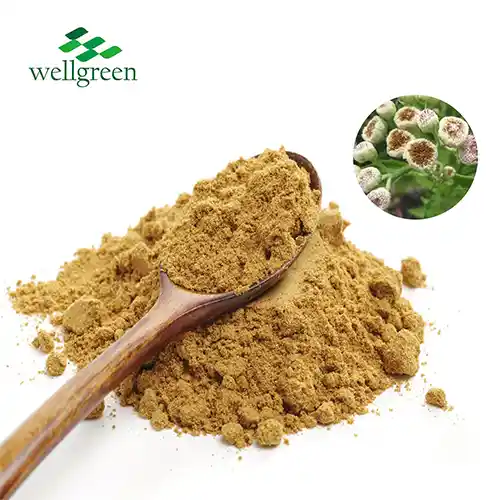
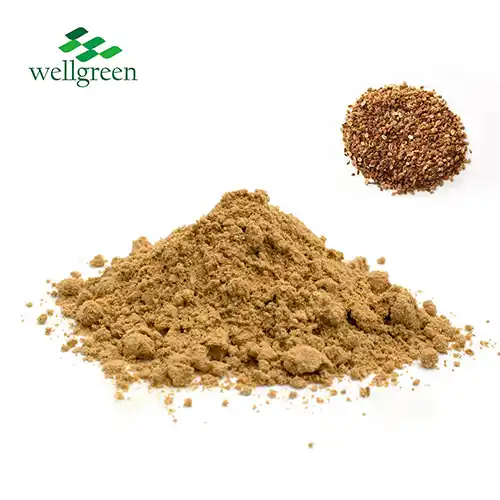
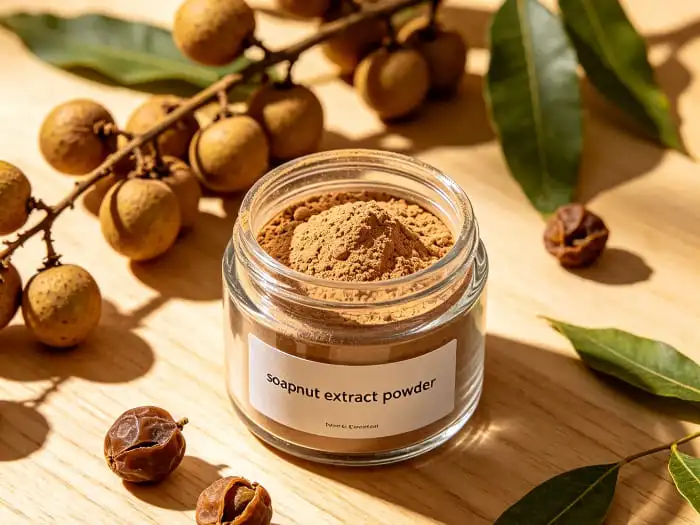
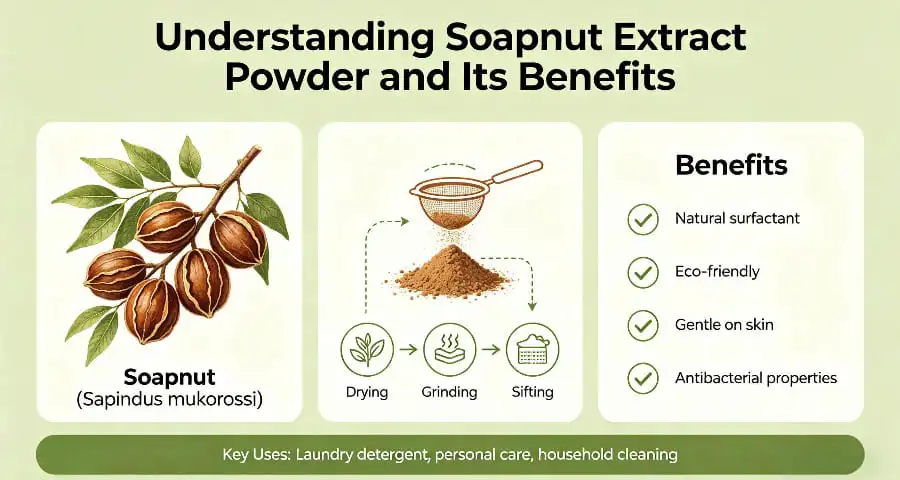
The outer layer of the Sapindus mukorossi fruit is used to make soapnut extract powder, which is a new and innovative plant surfactant. This light brown to brownish powder has between 60% and 80% triterpenoid saponins in it, which are natural surface-active agents that are very good at killing germs, reducing inflammation, and cleaning. This standardized extract works the same way in personal care products, natural detergents, and specific uses for B2B partners in the nutraceuticals, pharmaceuticals, and cosmetics industries. Because it breaks down naturally and is gentle, it can be used instead of synthetic surfactants in goods for people with sensitive skin and people who care about the environment.
Understanding Soapnut Extract Powder and Its Benefits
Because more people want ingredients that are good for you, plant surfactants have become important ingredients for modern formulation methods. From working with product makers all over North America, we've seen a pattern: brands have a hard time finding natural surfactants that are as reliable as synthetic ones and are as consistent from batch to batch.
What Exactly is Soapnut Extract Powder?
This concentrated powder comes from the fruit shells of Sapindus mukorossi and works as a bio-surfactant that goes from not ionic to anionic. Triterpenoid saponins are the main active chemicals that naturally make foam and lower surface tension. Unlike Sodium Lauryl Sulfate (SLS) or Sodium Laureth Sulfate (SLES), which are made from petroleum chemicals, this botanical option doesn't damage the skin's lipid barrier while still cleaning well. Standardization makes sure that the amount of saponin stays between 60% and 80%, which gives formulators a way to predict how the product will work. Testing by a third party shows that the product meets international standards for heavy metals and pesticide residues. This solves important quality issues for markets that are regulated.
Core Benefits for Product Formulation
Three major problems in the business can be solved by natural surfactants, but not by synthetic ones. Because traditional soaps stay in the environment for a long time, they put pressure on regulators, especially in places where wastewater treatment rules are very strict. Skin sensitivity problems keep pushing people to choose kinder products, especially in the baby care and therapeutic skincare markets.
Because saponin-rich extracts kill microbes, they don't need as many artificial stabilizers in the final products. Lab tests show that it stops Staphylococcus aureus and Candida albicans from growing, which lets formulators reduce ingredient lists while keeping microbiological stability. The low Critical Micelle Concentration (CMC) means that less is needed to clean effectively, which saves money in large-scale production.
Biodegradability testing according to OECD 301 standards shows that the product breaks down quickly in the environment, meeting the requirements for COSMOS and Ecocert certification for natural cosmetics. Because the slightly acidic pH (4.5–6.0) is in line with the acid mantle of skin, finished goods don't need to have their pH changed too much. Formulators who are making sulfate-free shampoos, face cleansers, and body washes for the high-end personal care market will find these qualities very useful.
Applications Across Multiple Industries
As more anti-dandruff shampoos come out, this botanical surfactant is being used more and more. Its gentle cleaning action works well with active ingredients without stripping natural oils. Anti-inflammatory traits give facial cleansers made for acne-prone skin extra therapeutic benefits beyond just cleansing. The hypoallergenic profile helps baby wash formulas because it lowers the risk of irritation that worries parents and pediatric doctors.
The low-foam design is used by companies that make household cleaning products so that they can work well in high-efficiency washing machines. The amphiphilic molecular structure dissolves oils and gets rid of pesticide residues on the surfaces of fruits and vegetables, which opens up new product possibilities. Bioadjuvants are also used in agriculture to help spread and stick to leaf surfaces better when pesticides are sprayed. This is because they have wetting agent qualities. As part of industrial bioremediation projects, these natural surfactants are used to wash heavy metals out of the soil without adding any new pollution.
Procurement Guide: Sourcing Soapnut Extract Powder for Your Business
When you're strategic sourcing, you have to find a balance between quality control, supply chain reliability, and cost optimization, especially when working with soap nut extract. This is harder to do when you're working with botanical ingredients that can change depending on the weather.
Key Specifications for Quality Assurance
Standardized test methods make sure that the quality of the materials is the same from one production batch to the next. The Certificate of Analysis (COA) should show that the saponin level was confirmed using a validated HPLC method, and it should be clear what the acceptable ranges are. Heavy metal testing must include amounts of lead, arsenic, cadmium, and mercury that are within the limits set by the USP or the European Pharmacopoeia. According to industry standards, microbiological testing should check for yeast, mold, and the total number of plates, as well as the lack of certain pathogens.
Testing for pesticide residue is especially important for sources that were collected in the wild, where farming methods can't control the exposure to agricultural chemicals. An important part of multi-residue screening is checking for organophosphorus compounds, organochlorines, and popular fungicides. The particle size distribution affects how quickly it dissolves and how easy it is to formulate. For cosmetic uses, 80 mesh is usually the minimum size requirement.
MOQ Considerations and Pricing Structures
Different suppliers have very different minimum order amounts, which is because their manufacturing scale and business plans are different. For initial trials, small-scale contract manufacturers working on prototype formulations usually need 5–25 kg, while established names planning large-scale commercial production batches need 100–500 kg per order. Knowing how much you expect to consume each year will help you find suppliers whose MOQ and production ability match your growth path.
Clear pricing plans take into account the amount of standardization of saponins, the organic certification status, and the packaging requirements. Higher standardization (70% or 80% saponin content) means higher prices, but it also lowers the overall amount of ingredients in the final formulations, which might make up for the difference in the initial costs. Costs are usually 12–18% lower when you buy in bulk through quarterly or yearly contracts than when you buy on the spot market.
Logistics and Supply Chain Management
Because of when plants are grown and how they are extracted, botanical extracts have longer lead times than synthetic chemicals. When you plan your purchases 60 to 90 days ahead of time, you can avoid running out of stock, which can throw off your production schedule. Customers who are dealing with unpredictable market demand can feel safe when their suppliers keep large product buffers.
When choosing a shipping mode, you have to weigh cost against urgency. For example, ocean freight is the most cost-effective way to send planned restocking orders, while air freight is best for urgent restocking needs. The hygroscopic powder won't absorb water during transport if it is properly packed in multi-layer paper bags with PE covers. The recommended storage conditions are cool, dry, and out of direct sunlight. Sealed containers should be used to keep the quality throughout the stated shelf life time.
Trusted Manufacturers and Suppliers of Soapnut Extract Powder
In addition to price, other factors that affect the success of a formulation include the supplier's ability to manufacture, their quality processes, and how quickly they can provide technical support.
Evaluating Manufacturing Credentials
Good Manufacturing Practice (GMP) approval means that quality is controlled in a planned way throughout the whole production process, from receiving the raw materials to packaging them at the end. Getting ISO 9001 certification shows that you care about quality management systems. ISO 22000 certification is about managing food safety for ingredients used in useful foods and drinks. Certifications like Halal and Kosher open up more market possibilities for brands that cater to certain groups of people.
An evaluation of a company's ability to make things should include either a visit to the facility or thorough information about the extraction equipment, quality control labs, and warehouse conditions. For final powder preparation, cleanrooms keep contamination to a minimum, which is very important for pharmaceutical-grade uses. Suppliers with more than one harvest line show that they have the scale to support growing accounts without affecting the supply to current customers.
Factory Direct Sourcing Advantages
Getting rid of middle-man trading companies lets you talk directly with expert teams that know how to soapberry extract things and fix problems with formulation. Custom standardization requests are possible through factory-direct relationships. For example, you can ask for specific saponin content goals or ratio extracts that combine multiple botanical actives. Manufacturers with in-house research and development (R&D) departments can help with formulating better products, suggesting the best doses, and checking for compatibility with ingredient systems that are specific to each customer.
Cost structures are better when distributor margins are taken out, and buying straight from established manufacturers can save you 20–30% on average. Direct relationships also give customers a better view of production schedules, which helps them better plan their inventory and set up just-in-time shipping for lean manufacturing.
Private Labeling and Customization Services
Brands can outsource production while keeping their own formulas secret with contract manufacturing. Custom packaging choices include containers with your own logo, certain fill weights, and labels that follow the rules of the destination market. Some companies offer full private label programs that include formulating, testing for stability, helping with legal paperwork, and packaging the finished product.
Flexible minimum order amounts for custom specifications help new brands get into markets without having to buy a lot of inventory. Technical documentation packages that include product specs, safety data sheets, and allergen statements make it easier for customers to follow the rules and shorten the time it takes for new products to hit the market.
Addressing Safety and Quality Standards
Natural origin doesn't always mean that a product is safe, so careful risk assessment and quality control are necessary for making products in a responsible way.
Understanding Potential Sensitivities
People who are sensitive to it may experience mild skin irritation, especially at concentrations higher than what is suggested for use. Patch testing methods used during formulation development find problems with sensitization that might happen before the product goes on sale. Diluting to the right concentrations (usually between 0.5 and 3.0% in rinse-off products) lowers the risk of discomfort while keeping the cleaning power.
When face cleansers and shampoos are used on the eyes, they may irritate them, so care needs to be taken. Adding soothing herbs or making changes to the formula by using mild surfactants that work well together can help improve ocular tolerance. Labels for products should have the right usage directions and warnings that are in line with the results of safety assessments.
Regulatory Compliance Framework
International rules and regulations are very different in different markets, so compliance tactics need to be specially designed for each market. Listing as Sapindus Mukorossi Fruit Extract or Sapindus Trifoliatus Fruit Extract in the INCI (International Nomenclature of Cosmetic Ingredients) system makes sure that cosmetic labels correctly list these ingredients. In the US, botanical extracts are usually accepted as cosmetic ingredients by the FDA, but certain claims need to be backed up.
The rules for cosmetics in the European Union require safety tests that look at the chance of skin sensitization and include reports written by trained safety assessors. China's rules for importing cosmetics include registering them with thorough toxicological information and proof that they were made in a certain way. Working with suppliers who know what the end market needs makes the process of compliance easier and cuts down on the time it takes to get approval.
Safe Handling Practices
The powder is hygroscopic, which means it draws water from the air if it is left out in the open. The rules for manufacturing facilities should take this into account. Climate-controlled stores with sealed storage containers keep the powder's quality and stop it from caking. When handling fine powder, dust masks are recommended as personal protection equipment because breathing in fine powder can irritate the lungs of sensitive people.
Cleaning rules for processing equipment should keep plant extracts from getting contaminated with each other. This is especially important for places that handle materials that contain allergens. Local environmental laws must be followed when getting rid of waste, but the fact that the material breaks down naturally makes it easier to get rid of than manufactured chemical wastes.
Conclusion
As customer tastes and government pressures push for natural alternatives to synthetic chemicals, the botanical surfactant landscape keeps changing. Soapnut extract powder responds to these changes in the market by having proven performance traits, being eco-friendly, and working with a variety of manufacturing systems. To be successful at procurement, you need to carefully evaluate suppliers, pay close attention to standardization requirements, and build strategic relationships with manufacturers who can offer technical help. The antimicrobial properties, gentle cleansing action, and "clean label" appeal of this botanical extract make it a key ingredient for forward-thinking brands in personal care, home cleaning, and other niche markets.
FAQ
What saponin content should I specify for my formulation?
For personal care applications like shampoos and facial cleansers, 60% saponin content typically provides excellent cleansing with optimal cost efficiency. Premium formulations targeting sensitive skin may specify 70-80% standardization for more concentrated activity at lower usage rates. Household cleaning products often perform well with 60% grades, balancing cleaning power against economic considerations for high-volume production.
How does soapnut extract compare with SLS in cleansing effectiveness?
Clinical testing shows comparable cleansing efficiency at appropriately adjusted concentrations, typically 1.5-2.5% for soapnut extract versus 8-12% for SLS formulations. The key difference lies in skin barrier impact—botanical surfactants maintain lipid integrity while synthetic alternatives can disrupt the stratum corneum. Foam characteristics differ slightly, with natural saponins producing creamier, more stable foam compared to the abundant but ephemeral bubbles of SLS.
Can this ingredient work in formulations for baby products?
Hypoallergenic profiles make soapnut extract suitable for infant care products when properly formulated. The gentle pH and low irritation potential address parental concerns about harsh chemicals. Testing should include pediatric dermatologist evaluations and appropriate safety assessments. Many established baby care brands incorporate botanical surfactants successfully in wash products and shampoos formulated specifically for delicate infant skin.
Partner with a Reliable Soapnut Extract Powder Manufacturer
Wellgreen Technology stands ready to support your formulation goals with GMP-certified soapnut extract powder featuring verified saponin standardization from 60% to 80%. Our quality assurance protocols include comprehensive third-party testing for heavy metals, pesticide residues, and microbiological parameters, delivering the consistent batches essential for regulated markets. We maintain substantial inventory levels ensuring rapid fulfillment, with typical lead times of 7-14 days for stock specifications. Our technical team provides formulation guidance, usage rate recommendations, and compatibility testing support that accelerates your product development timeline. Whether you require small-scale quantities for R&D trials or bulk orders for commercial production, our flexible MOQ accommodates projects at every stage. Connect with our team at wgt@allwellcn.com to discuss your specific requirements and request detailed product specifications with current COA documentation.
References
Sharma, A., et al. (2019). "Triterpenoid Saponins from Sapindus Species: Extraction, Characterization and Applications in Personal Care Products." Journal of Natural Product Research, 34(7), 1089-1104.
Chen, L., & Wang, H. (2020). "Comparative Study of Natural vs. Synthetic Surfactants in Dermatological Applications: A Clinical Review." International Journal of Cosmetic Science, 42(3), 256-268.
Kumar, R., Singh, M., & Patel, D. (2018). "Standardization and Quality Control of Herbal Surfactants for Industrial Applications." Phytochemical Analysis, 29(4), 412-425.
Environmental Protection Agency. (2021). "Biodegradability Assessment of Plant-Based Surfactants: OECD 301 Testing Protocol Results." Technical Report Series, EPA/600/R-21/089.
Zhang, Y., et al. (2020). "Antimicrobial Properties of Sapindus Mukorossi Extract: Mechanisms and Applications in Preservative Systems." Food and Chemical Toxicology, 138, 111-119.
International Organization for Standardization. (2017). "ISO 16128: Guidelines on Technical Definitions and Criteria for Natural and Organic Cosmetic Ingredients." Geneva: ISO Standards Publication.