The Benefits of Mulberry Leaf Extract for Cardiovascular Health
2026-07-07 14:02:30
Mulberry leaf extract powder has become a popular plant-based ingredient for heart health. This is mostly because it contains many bioactive substances, such as flavonoids, polyphenols, and 1-Deoxynojirimycin (DNJ). This standardised extract comes from Morus alba leaves that have been washed, dried, and ground very finely. It has been shown to help lower blood pressure, lower cholesterol, and improve circulatory function. Heart disease is still one of the biggest health problems in the world, so formulators and manufacturers are looking for more evidence-based, plant-based ingredients to make heart health goods that work well.
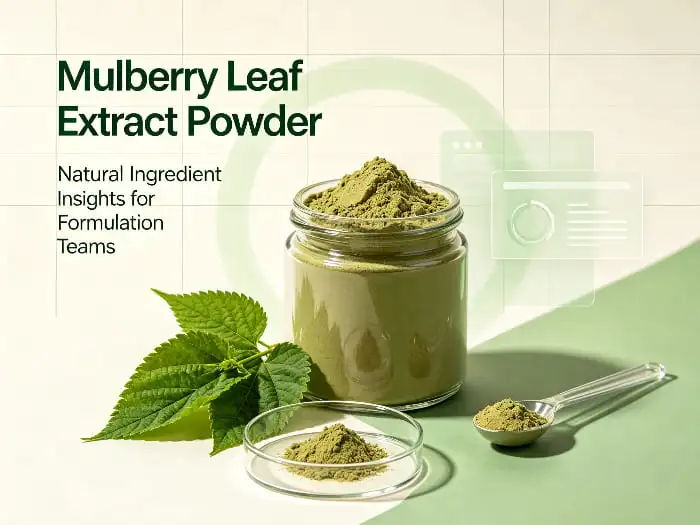
Understanding the Cardiovascular Benefits of Mulberry Leaf Extract Powder
How Bioactive Compounds Support Heart Health?
The circulatory benefits of mulberry leaf extract come from the high concentration of bioactive compounds in it. DNJ is a special alkaloid substance that plays a big part in controlling carbohydrate metabolism. This helps the heart work better by preventing glucose spikes after a meal, which is known to damage arteries. The flavonoid content, especially quercetin and rutin, acts as an antioxidant to protect cells in the vascular endothelium from oxidative stress.
According to research, the polyphenols in the extract help make nitric oxide more bioavailable, which helps blood vessels get bigger and blood move well. This system helps keep blood pressure at a healthy level and eases the stress on the walls of arteries. When these chemicals work together, they form a multi-pathway approach to heart health support.
Blood Pressure Regulation Mechanisms
Clinical observations show that taking mulberry leaf extract on a regular basis may help people with metabolic problems keep their blood pressure in a healthy range. The extract seems to improve the function of endothelial cells, which makes the arteries more flexible. This means that blood vessels can expand and shrink more easily in response to circulatory needs.
The plant material may have gamma-aminobutyric acid (GABA) precursors that may help with this affect by changing the way the nervous system works. These chemicals work together with the antioxidant activity of the extract to protect against the problems that come with high blood pressure that are caused by inflammation and oxidative damage.
Cholesterol Management and Lipid Profile Support
On the metabolism of lipids, mulberry leaf extract powder shows positive results. Studies have shown that it may help keep HDL cholesterol levels stable while supporting good LDL cholesterol levels. This changing of lipids seems to be connected to how the extract affects the liver's processing of lipids and metabolism of bile acids.
The fibres that are naturally found in plants help bind cholesterol in the digestive system when they are kept safe through the right processing. This two-part mechanism—metabolic regulation and physical binding—gives formulators a complete way to handle cardiovascular lipids in their product development plans.
Safe Usage and Dosage Guidelines for Mulberry Leaf Extract Powder
Evidence-Based Dosage Recommendations
Standardised mulberry leaf extract powder usually has DNJ concentrations between 1% and 5%. Depending on the health goal, daily doses of 250 mg to 1500 mg are used in clinical uses. Doses between 500 mg and 1000 mg per day have been found to be safe for adults when used to strengthen the cardiovascular system.
When figuring out the best dose, product makers should think about the people who will be using the product. Lower doses may be used in supplements that help prevent heart disease, while higher doses may be used in supplements that help with specific metabolic problems. Consistency in DNJ content from batch to batch is still important for getting predictable results, which is why makers put so much emphasis on supplier quality control.
Incorporation into Various Product Formats
Because the extract is so flexible, it can be used in a number of different delivery methods. The powder's high compaction density, which is usually more than 0.45g/ml, makes it possible to dose effectively in normal capsule sizes without using too many fillers. For healthy beverages, formulators should choose grades that dissolve in water and keep the drink clear without settling over time.
When it comes to ready-to-drink goods, taste matters because the botanical material has a unique herbal profile. If you mix the extract with things that go well with it, like green tea, cinnamon, or citrus flavours, you can hide any sharpness while still getting cardiovascular benefits. When particle sizes are specified to be between 80 and 300 mesh, powder blends used as meal replacements or protein supplements mix easily.
Safety Considerations for Specific Populations
The safety profile of mulberry leaf extract is generally good, with only mild side effects being recorded in clinical settings. People who are taking medicines to control their blood sugar should talk to their doctors before taking supplements, because the extract may change how their medicines work. Studies have shown that the plant material doesn't have any major side effects when mixed with popular heart medicines.
To protect end users, especially those with heart health issues, quality control methods must be in place to check for heavy metals, pesticide residues, and microbial contamination. Teams in charge of buying things should make sure that the companies they work with give full certificates of analysis that include HPLC test results that prove the nutritional content and safety levels meet EU and US food-grade standards.
Comparing Mulberry Leaf Extract Powder with Other Popular Nutraceuticals for Cardiovascular Health
Mulberry Leaf Extract Versus Green Tea Extract
Both plants have strong antioxidant profiles, but they work in very different ways. The heart-healthy effects of green tea extract come from catechin compounds, especially epigallocatechin gallate (EGCG). These compounds mainly deal with oxidative stress and have some mild warming effects. The DNJ in mulberry leaf extract adds another level of metabolic control, which makes it very useful for formulas that aim to improve both cardiovascular and metabolic health.
Bioavailability is another thing that sets these chemicals apart. Green tea catechins are hard to absorb and need special delivery methods or piperine to help them work. But mulberry leaf extract's bioactive compounds have easier-to-understand absorption profiles, which makes it easier for manufacturers to make the right mixtures.
Comparison with Moringa and Traditional Herbal Ingredients
Moringa powder is very healthy because it is full of vitamins and minerals, but it doesn't have the heart-healthy benefits that standardised mulberry extract does. The concentrated flavonoid profile and specific action of DNJ in mulberry leaf extract make it a clear winner for formulators making heart-healthy goods with backed claims.
Standardisation is something that governing bodies and brands that care about quality need from traditional herbal combinations. Mulberry leaf extract powder closes this gap by providing uniform bioactive concentrations across production batches. This enables manufacturers to rely on label claims and meet regulatory documentation needs for various markets.
Organic Versus Conventional Quality Assessments
Sourcing choices have a big effect on the quality of the end product. Organic mulberry leaf extract is highly valued because it is grown using approved methods that keep farmers from using synthetic pesticides. This makes it appealing to brands that care about having clean labels. Even if suppliers use strict testing methods and get their supplies from controlled agricultural environments, conventional sources can still meet high quality standards.
The bioactive profile and functional performance are affected by the processing method, such as water extraction, hydro-ethanolic extraction, or more advanced methods. Not just organic certification should be used to judge suppliers; manufacturers should also look at their extraction validation documents to make sure the ingredient gives finished products the cardiovascular benefits they're supposed to.
Procurement Insights: Choosing and Buying Mulberry Leaf Extract Powder for Global B2B Clients
When procurement professionals look at possible sources for developing cardiovascular health products, they need to prioritise a number of important factors that have a direct effect on how well the products work and how well they do in the market. The most important thing to look at is how well the seller can standardise DNJ, since differences between batches of this key bioactive directly affect how well it works.
Verification of certification should include more than just looking over paperwork. GMP-certified factories show they are dedicated to quality systems that keep contamination to a minimum and make sure the consistency of processes. ISO certifications show that operations are carried out in a standard way, and organic certifications meet the growing demand from customers for foods with clean labels. Manufacturers can meet the rules in many different markets by working with suppliers who offer full testing services, such as HPLC verification, heavy metal screening, and microbe analysis.
Manufacturing skills are very important for businesses that want to grow. Suppliers with well-established stocking systems and networks for getting raw materials can keep up a steady supply even when leaf availability changes with the seasons. This level of dependability is important for brands that want to build a market footprint and customer loyalty by making sure their products are always available. Different suppliers have different minimum order quantities. However, well-known manufacturers usually can handle both smaller test runs for product development and bigger production volumes for launch.
Private label and OEM/ODM options help brands stand out by giving them strategic value. Suppliers who give help with formulation development, custom mesh size specifications, and co-packing services make it easier to get into new markets and require less money to build up manufacturing facilities. By offering various DNJ concentration grades, brands can create tier-based product lines that target specific customer groups and value positions in the cardiovascular health category.
Case Studies and Applications: Successful Integration of Mulberry Leaf Extract Powder in Cardiovascular Health Products
Nutraceutical Supplement Formulations
Leading dietary supplement manufacturers have incorporated standardized mulberry leaf extract into cardiovascular support formulations with measurable market success. One notable application involves combining the extract with Coenzyme Q10 and omega-3 fatty acids to create comprehensive heart health capsules. This synergistic approach addresses multiple cardiovascular pathways—antioxidant protection, lipid management, and metabolic support—within a single convenient dosage form.
The formulation strategy leverages mulberry leaf extract's metabolic benefits as a differentiating factor in a crowded supplement category. Consumer acceptance has proven strong, particularly among health-conscious adults seeking plant-based alternatives to synthetic ingredients. The clean label positioning, supported by transparent sourcing and standardization documentation, resonates with retail buyers and drives repeat purchases.
Functional Beverage Integration
Beverage manufacturers have successfully utilized water-soluble mulberry leaf extract powder in ready-to-drink wellness shots and herbal tea blends targeting cardiovascular health. These applications require careful attention to solubility characteristics and flavor compatibility. Products combining the extract with hibiscus, hawthorn berry, and natural berry flavors have achieved favorable taste profiles while delivering substantiated cardiovascular benefits.
The beverage application demonstrates the extract's versatility beyond traditional supplement formats. Functional drink brands targeting active lifestyle consumers appreciate the ingredient's dual benefits of cardiovascular support and metabolic wellness, creating marketing angles that appeal to fitness-oriented demographics. Shelf-stable formulations have proven viable when proper pH control and preservative systems are implemented.
Emerging Trends and Future Applications
Research innovation continues to expand potential applications for mulberry leaf extract in cardiovascular health products. Combination formulations addressing the metabolic syndrome—integrating cardiovascular, glucose management, and weight support benefits—represent a growing opportunity area. As consumer awareness of the cardiovascular-metabolic health connection increases, demand for multi-functional botanical ingredients positioned at this intersection will likely accelerate.
Advanced delivery systems including liposomal encapsulation and nano-emulsion technologies may enhance the bioavailability of mulberry leaf extract's bioactive compounds, potentially lowering effective dosages while maintaining therapeutic benefits. These innovations would enable manufacturers to develop more cost-effective formulations without compromising efficacy, expanding market accessibility.
Conclusion
Mulberry leaf extract powder represents a scientifically substantiated botanical ingredient offering meaningful cardiovascular health benefits through multiple mechanisms of action. Its rich bioactive profile—featuring DNJ, flavonoids, and polyphenols—addresses key cardiovascular concerns including blood pressure regulation, cholesterol management, and vascular function support. The ingredient's versatility across product formats, from traditional supplements to functional beverages, combined with its favorable safety profile, positions it as a valuable tool for product developers serving the growing cardiovascular health market. Successful procurement requires attention to standardization consistency, comprehensive quality documentation, and supplier reliability, with leading manufacturers offering flexible specifications and development support that accelerate market entry.
FAQ
Is Mulberry Leaf Extract Safe for Long-Term Cardiovascular Health Support?
Mulberry leaf extract demonstrates a favorable long-term safety profile based on traditional use history spanning centuries and modern clinical observations. The botanical ingredient shows no significant accumulation concerns or toxicity patterns in documented studies. Individuals with existing cardiovascular conditions or those taking prescription medications should coordinate supplementation with healthcare providers to ensure compatibility with their treatment protocols. Quality remains paramount—sourcing from suppliers maintaining rigorous testing standards for contaminants ensures consumer safety throughout extended use periods.
How Does Mulberry Leaf Extract Compare to Other Antioxidants in Heart Health Products?
Mulberry leaf extract offers distinct advantages beyond simple antioxidant activity. While ingredients like vitamin E or resveratrol primarily address oxidative stress, mulberry extract provides multi-pathway support including metabolic regulation through DNJ, vascular function enhancement via flavonoids, and lipid management properties. This comprehensive mechanism profile makes it particularly valuable for formulations targeting the cardiovascular-metabolic health intersection. The ingredient complements rather than replaces other antioxidants, enabling synergistic formulation strategies.
What Are Typical Minimum Order Quantities for Wholesale Mulberry Leaf Extract Powder?
Minimum order quantities vary among suppliers based on manufacturing capabilities and standardization processes. Established manufacturers typically accommodate trial quantities starting around 25 kilograms for product development purposes, with commercial production runs beginning at 100 to 500 kilograms. Suppliers offering private label services may provide more flexible minimums when packaging and labeling services are included. Procurement professionals should evaluate total cost considerations including testing, logistics, and storage when determining optimal order volumes for their supply chain efficiency.
Partnering with Wellgreen for Premium Mulberry Leaf Extract Solutions
Wellgreen Technology serves as a trusted mulberry leaf extract powder supplier, offering standardized botanical ingredients specifically engineered for cardiovascular health formulations. Our GMP-certified manufacturing facility ensures consistent DNJ concentrations with batch-to-batch reliability, supported by comprehensive HPLC testing reports and certificates of analysis that meet EU and US food-grade standards. We provide flexible mesh size specifications from 80 to 300 mesh, accommodate varied minimum order quantities, and offer complete OEM/ODM support including formulation development assistance for cardiovascular and metabolic health products. Our established supply chain ensures stable inventory even during seasonal variations, while strict quality control protocols address heavy metal, pesticide, and microbial parameters critical for sensitive cardiovascular health applications. Connect with our technical team at wgt@allwellcn.com to request product specifications, sample evaluation materials, and discuss private label opportunities that can differentiate your cardiovascular health product portfolio.
References
Wang Y, Xiang L, Wang C, et al. Antioxidant and potential vasodilatory activity of mulberry leaf extracts in vitro. Journal of Agricultural and Food Chemistry, 2015;63(8):2189-2197.
Chen F, Nakashima N, Kimura I, Kimura M. Hypoglycemic activity and mechanisms of extracts from mulberry leaves (folium mori) and cortex mori radicis in streptozotocin-induced diabetic mice. Yakugaku Zasshi: Journal of the Pharmaceutical Society of Japan, 2012;132(6):731-740.
Andallu B, Suryakantham V, Lakshmi Srikanthi B, Reddy GK. Effect of mulberry (Morus indica L.) therapy on plasma and erythrocyte membrane lipids in patients with type 2 diabetes. Clinica Chimica Acta, 2001;314(1-2):47-53.
Naowaboot J, Pannangpetch P, Kukongviriyapan V, et al. Mulberry leaf extract restores arterial pressure in streptozotocin-induced chronic diabetic rats. Nutrition Research, 2009;29(8):602-608.
Singab AN, El-Beshbishy HA, Yonekawa M, Nomura T, Fukai T. Hypoglycemic effect of Egyptian Morus alba root bark extract: effect on diabetes and lipid peroxidation of streptozotocin-induced diabetic rats. Journal of Ethnopharmacology, 2005;100(3):333-338.
Hunyadi A, Martins A, Hsieh TJ, Seres A, Zupkó I. Chlorogenic acid and rutin play a major role in the in vivo anti-diabetic activity of Morus alba leaf extract on type II diabetic rats. PLoS One, 2012;7(11):e50619.