The Ultimate Guide to Soapnut Extract Powder
2026-07-08 16:01:02
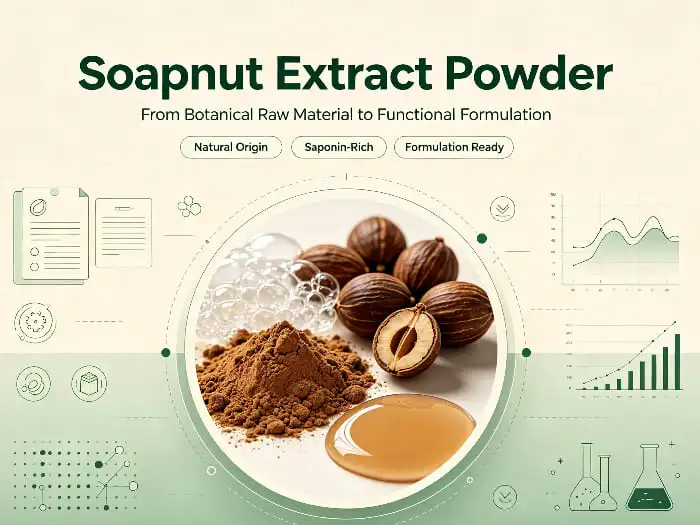
Soapnut extract powder is a new plant option that producers looking for clean-label alternatives to synthetic surfactants can use. This natural ingredient comes from the pericarp of the Sapindus mukorossi fruit. It has a high saponin content and cleans very well. It also meets the growing demand for sustainable, recyclable recipe components. Environmental regulations are getting stricter, and regulatory managers and product developers need to know more about this plant-based extract's technical specs, how to get it, and how to use it in different ways. This is important for developing competitive nutraceutical, cosmetic, and functional products.
What Is Soapnut Extract Powder? A Comprehensive Overview
Botanical Origin and Extraction Process
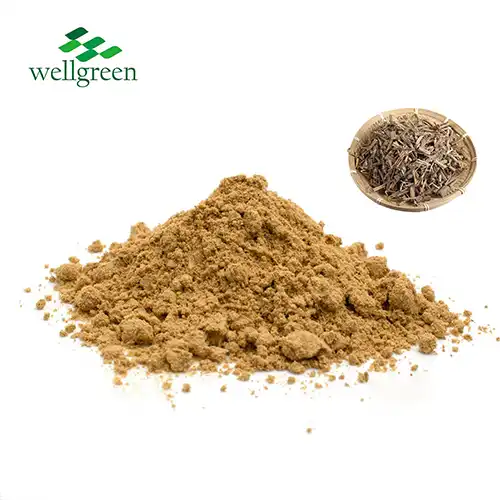
The Sapindus mukorossi tree, which is common in the Himalayas and is grown all over Asia, is where soapnut extract powder comes from. The first step in the extraction process is to pick ripe soapnut nuts. Next, the fruit pericarp must be carefully removed. The beneficial chemicals are concentrated while keeping their natural effectiveness by using advanced extraction methods like water extraction, alcohol extraction, or spray-drying. Standardized extraction methods used by Wellgreen Technology make sure that the amount of saponin in each batch of products is the same, meeting the strict needs of pharmaceutical-grade uses and cosmetic formulations.
Chemical Composition and Bioactive Compounds
Triterpenoid saponins, which are usually fixed between 10% and 20% strength, make up the main bioactive part of this plant product. This group of natural surfactants is very good at foaming, emulsifying, and cleaning without having the harsh effects that manufactured soaps like SLS or SLES do. Besides saponins, the extract also has antibacterial and anti-inflammatory effects thanks to flavonoids, phenolic compounds, and trace minerals. Compound profiles are checked by strict HPLC testing, which makes sure that product makers get ingredients with known purity levels that are safe for sensitive uses like baby care products and skin creams.
Distinguishing Extract Powder from Raw Soapnut Powder
The main difference between soapnut extract powder and raw soapnut powder is something that procurement managers need to be aware of. Raw powder is made up of ground-up whole berries that have different amounts of saponin, different-sized particles, and possible impurities that make the mixture less stable. Extract powder goes through cleaning steps that get rid of inactive plant matter, make sure that active chemical amounts are the same, and make sure that particles are spread out evenly. This improvement directly affects the efficiency of manufacturing by allowing more accurate dosing estimates, better consistency from batch to batch, and better solubility in both water-based and emulsion systems. These are all important factors for production settings that can be scaled up.
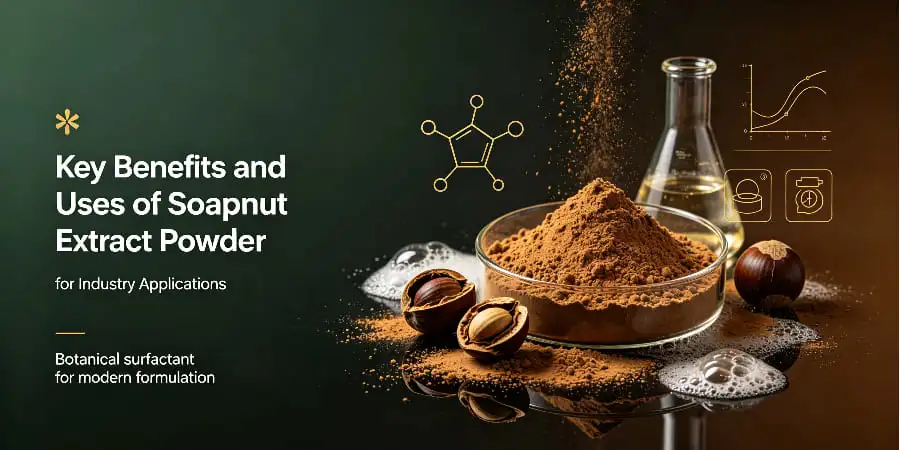
Key Benefits and Uses of Soapnut Extract Powder for Industry Applications
Formulation teams can make goods that meet customer standards for performance and safety by understanding the functional benefits of this natural surfactant. Because of these benefits, chemicals made from soapnuts are becoming important parts of developing new products.
- Natural Cleansing Without Harsh Chemicals: The saponin compounds make stable, rich foam through mechanical mixing instead of chemical reaction. This makes them perfect alternatives to detergents that are based on sulfates. Dermatological studies show that it causes much less skin sensitivity than sodium lauryl sulfate, which makes it a great choice for products for people with sensitive skin. This gentle cleaning method keeps the skin's natural lipid layer intact while getting rid of dirt, oil, and other impurities.
- Hypoallergenic Properties for Sensitive Applications: This plant-based extract has been tested in clinical settings and found to have low allergenic potential. This means it can be used in personal care items for kids, medical-grade cleaners, and therapeutic skin care systems. Contact dermatitis is less likely to happen because it doesn't contain any manufactured smells, harsh alkalines, or petroleum derivatives. This makes it a good ingredient for hypoallergenic product claims that appeal to health-conscious customers and meet regulatory standards in multiple countries.
- Biodegradability and Environmental Compliance: Unlike common surfactants that stay in marine environments, these natural saponins break down quickly through the action of microbes, usually breaking down completely in 28 days under normal testing conditions. This environmental profile backs up green standards like USDA BioPreferred, EcoCert, and several regional eco-labels. It helps brands stand out in markets where sustainability credentials affect buying choices.
- Multifunctional Ingredient Properties: This botanical extract does more than just clean. It has been shown to have antimicrobial properties against common pathogens, light conditioning properties that keep hair from getting tangled, and the ability to work with other botanical actives in complex formulas. Because of these extra benefits, formulators can make ingredient decks easier to read, formulation costs go down, and product descriptions become more concise, which appeals to clean-beauty shoppers who want clear ingredient lists.
These benefits directly help supplement brands, cosmetics makers, and functional food makers who are looking for natural options that meet performance standards and meet customer desire for well-known chemicals drawn from plants. Soapnut extract powder is a strategic choice for next-generation development.
Comparing Soapnut Extract Powder: Making Smart Procurement Decisions
Organic Versus Conventional Specifications
When looking at different suppliers, procurement leaders need to compare the pros and cons of organic-certified and non-organic ingredients. Organic certificates require proof that farming methods used during the growing and processing chain are free of synthetic pesticides, chemical fertilizers, and GMO pollution. These certificates are useful for brands that want to sell high-end natural products, but they usually come with higher costs. Even though conventional extracts aren't certified organic, they can still meet strict standards for cleanliness by being tested for farming residues and heavy metals. Wellgreen Technology has both organic and conventional choices, and the testing results are clear and easy to understand. This lets buyers choose specs that fit with their brand positioning and cost goals.
Powder Versus Liquid Extract Formulations
Format choice is often based on how efficient the manufacturing process is. Spray-dried powders last longer on the shelf, are easier to keep track of, and have lower shipping costs because they are concentrated. They can also be used in a variety of dry-blend goods, such as pill compression and powder sachets. It is easier to add liquid extracts to current liquid manufacturing processes, they dissolve more quickly in water-based systems, and they don't make dust, which is a problem in production settings. Quality sellers keep both forms with the same amount of standardized saponin. This lets procurement teams save time and money on shipping while keeping formulations the same across all product lines.
Supplier Certification and Quality Assurance
Product purity and regulatory compliance are protected by strict source evaluation. Some important certificates are ISO 9001 for quality management, GMP for production, and testing records for each product, like Certificate of Analysis, Material Safety Data Sheets, and microbiology reports. Reliable providers show that they can track each batch from where the raw materials come from to where they are packed at the end. They also use approved testing methods to make sure that the active ingredients are correct and keep a lot of stable data to back up the shelf life claims. Wellgreen Technology has quality infrastructure that includes in-house analytical laboratories with HPLC, GC-MS, and ICP-MS equipment. This gives clients proven purity guarantee that meets the strict requirements of North American and European markets.
How to Use Soapnut Extract Powder in Product Development and Formulations?
When R&D teams use this plant ingredient in business products, they need to know the best ways to use it and how it will work with other ingredients. The following rules will help you make good products for a wide range of common uses.
Natural Hair Care Formulations
Shampoo formulas usually include the extract at a percentage of 3 to 8 percent, based on how dense the foam should be and how well it should clean. The powder mixes easily in warm water (60–70°C), and stable solutions are made when it is mixed with agents that work well with it, like cocamidopropyl betaine or decyl glucoside. The best pH ranges are between 5.5 and 6.5, which keep saponin stable and help keep the hair healthy. Adding hydrolyzed proteins or quaternary conditioning agents can make the conditioning benefits even better. This makes sulfate-free systems that meet customer demands for natural options without lowering performance.
Skin Cleansing and Facial Care Products
Body washes and facial soaps use concentrations between 2 and 5 percent to clean gently but effectively, making them safe for daily use. The extract works well with plant actives like aloe vera, chamomile, and green tea extract, which helps make complicated formulas that target specific skin problems. The soapnut extract's light emulsifying properties help cream cleansers and micellar water systems make steady suspensions that get rid of dirt and makeup without drying out the skin. To make sure that the emulsion stays intact and the active compounds stay active throughout the shelf life, formulators should test its stability at different temperatures.
Household and Laundry Applications
Higher amounts (8–15%) are used in eco-friendly cleaning goods to get the degreasing power needed for home use. The extract is mixed with natural enzymes, oxygen bleach, and fragrance systems in laundry detergents to make plant-based options to regular soaps. The extract doesn't make a lot of suds, so it works well with high-efficiency washing machines and cleans well in all water hardness levels. To keep powdered soap blends from caking while they're being stored, you need to pay close attention to how much water is in them and how the particles are spread out.
Dosage Optimization and Stability Considerations
Systematic dose-response testing is needed to find the lowest effective amounts that meet performance and cost goals for successful formulation creation. The extract can withstand short periods of heat up to 80°C, which lets normal production processes like hot-pour filling and tunnel pasteurization happen. However, high temperatures for a long time may break down saponin structures, so cold-process or low-heat methods are better for keeping the most active ingredients. When choosing a preservative system, the extract's mild antimicrobial qualities should be taken into mind. This could mean that lower amounts of preservative are needed in the end products while still meeting microbial safety standards.
With these recipe insights, product makers can use the extract's functional benefits while avoiding common mistakes that hurt product performance or make production less efficient.
Where and How to Procure High-Quality Soapnut Extract Powder?
Identifying Reliable Supplier Networks
Botanical products are sourced by global sourcing teams in a number of different ways, each of which has its own benefits. Direct connections with manufacturers let you see the prices, get expert help, and make changes, like standardizing proprietary saponins or specifying particle sizes. While trading companies and ingredient sellers may offer lower minimum order amounts and combined shipping with complementary ingredients, they may make it harder for production facilities to talk directly with them. Online B2B markets make it easier to find suppliers and compare prices, but users need to do more research to make sure the suppliers are real and the quality is consistent. Professionals in procurement who have a lot of experience usually come up with hybrid strategies. They keep their primary seller partnerships for core numbers and use secondary sources for trial quantities or unique needs.
Verification Methods and Quality Control
Using strict procedures for qualifying suppliers lowers the risk of buying. Some important steps in the verification process are getting samples from different production lots to see how consistent they are from batch to batch, having active compound levels and contaminant profiles tested by a third party, and inspecting supplier facilities either directly or through qualified inspection services. Regulatory compliance paperwork should have food declarations, BSE/TSE statements for pharmaceutical uses, and country-of-origin certificates that help make the supply chain clear. Wellgreen Technology builds buyer trust by letting anyone into the facility, giving complete test data, and having quick-response technical service teams that can deal with formulation problems during all stages of product development.
Logistics and Bulk Ordering Considerations
When you buy something from another country, you have to pay close attention to the quality of the packing, the shipping conditions, and the customs paperwork. Plant powders that don't like being wet are usually shipped in multi-layer foil-lined bags with nitrogen washing or desiccant packets to keep them from going bad while they're in transit. For known product lines, shipping containers is a cheaper option, while air freight helps with quick prototype creation or market testing. The discussion of payment terms should take into account both the need for cash flow and the price benefits of setting up advance payment or letter of credit arrangements. Harmonized tariff classification, certificate of origin preparation, and regulatory import paperwork specific to target markets are all things that experienced providers can help with. This makes customs processing faster and lowers the uncertainty of landing costs.
Conclusion
When it comes to efficiency, sustainability, and customer desire for natural ingredients, soapnut extract powder is at the forefront. This guide has talked about where it comes from botanically, what it does, how it can be used in formulations, and how to buy it, which are all important things for B2B decision-makers to know. The standardised saponin content of the extract makes it effective at cleaning and supports clean-label placement in personal care, home cleaning, and other uses. Manufacturers can make natural products that are competitive and meet legal requirements and market standards by working with good suppliers who offer open testing, flexible specifications, and quick technical support. As concerns about the environment become more important in buying choices, brands can place themselves for long-term growth in natural product markets that are always changing.
FAQ
What saponin concentration works best for cosmetic applications?
Standardized saponin contents of 10-15% are usually best for cosmetic products. This range of concentrations cleans well enough without making too much foam, which can make industrial processes or customer use more difficult. Lower concentrations are often used in facial products to make them gentler, while higher concentrations may be used in body care products to make them better at getting rid of grease.
Can this extract cause reactions on sensitive skin?
Clinical dermatology testing shows that it is less likely to irritate the skin than manufactured surfactants. However, everyone is different when it comes to sensitivity, so patch testing is still recommended for items that are meant to help people with sensitive skin. Because the structure of natural saponin is different from that of manufactured cleansers, they are less likely to break down the skin barrier function that causes irritation reactions.
How does cleaning performance compare to synthetic detergents?
Controlled lab tests show that when made at the right amounts, these products remove soil and common home spots just as well. The extract works best in water that is about room temperature and works best when it is mechanically stirred. In extreme situations like very cold water or heavy petroleum dirt, synthetic detergents may work better. This botanical option, on the other hand, meets most home cleaning needs and is better for the environment.
Partner with Wellgreen for Premium Soapnut Extract Powder Supply
Wellgreen Technology makes pharmaceutical-grade soapnut extract powder with standardization options for 10%, 15%, and 20% saponin. This powder is designed to meet the needs of challenging B2B uses. Our GMP-certified factory makes sure that the quality is always the same, and all of the COA, MSDS, and HPLC paperwork that meets US and EU regulations backs this up. Whether you need spray-dried powder for supplement encapsulation, concentrated extracts for personal care formulations, or liquid preparations for beverage applications, our technical team can help with formulation, give you stability data, and send you sample quantities that make product development go more smoothly. As a provider with a lot of experience in soapnut extract powder, we keep a lot of stock on hand so that we can ship quickly. We also offer flexible OEM and private label services to help your brand stand out. Get in touch with our sourcing experts at wgt@allwellcn.com to talk about your unique needs and get cheap quotes that fit your manufacturing goals.
References
Kumar, S., & Singh, A. (2021). Natural surfactants from Sapindus species: Chemistry, applications and sustainability perspectives. Industrial Crops and Products, 168, 113598.
Patel, R. M., & Desai, K. G. (2018). Phytochemical and pharmacological aspects of Sapindus mukorossi: A comprehensive review. Journal of Ethnopharmacology, 225, 123-141.
Chen, L., Zhang, W., & Liu, Y. (2020). Formulation strategies for natural surfactant-based personal care products: Performance and stability considerations. Cosmetics & Toiletries Science Applied, 135(4), 28-37.
Environmental Protection Agency. (2019). Design for the Environment: Safer surfactants and biodegradability assessment protocols. EPA Technical Report Series, 744-R-19-002.
International Organization for Standardization. (2022). ISO 16128-2: Guidelines on technical definitions and criteria for natural and organic cosmetic ingredients. Geneva: ISO Standards Publication.
Williams, J. D., & Thompson, M. A. (2020). Procurement best practices for botanical ingredients: Quality verification and supplier management in the natural products industry. Journal of Supply Chain Management in Life Sciences, 12(3), 156-174.