Uncaria Gambir Extract in Cosmetics
2026-06-22 17:17:53
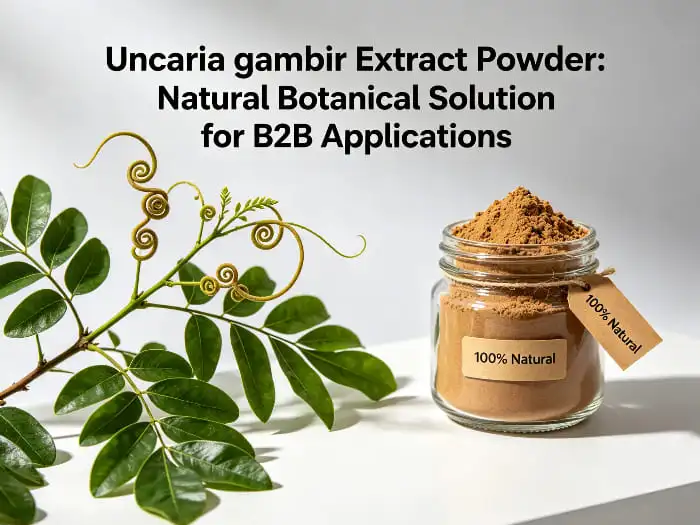
Uncaria gambir extract, which incorporates centuries-old botanical knowledge into modern skincare science, has become a fascinating component in contemporary cosmetic compositions. Through carefully regulated water or ethanol extraction procedures, this natural plant extract—which comes from the heartwood and bark of Acacia catechu—delivers a concentrated profile of catechins, tannins, and polyphenolic chemicals. The extract is very useful for cosmetic chemists creating anti-aging serums, skin-tightening lotions, and protective compositions because of its strong antioxidant and astringent qualities. Procurement managers and product developers are increasingly looking for standardised plant extracts that combine traditional efficacy with contemporary quality assurance as the clean beauty trend gains traction in North American and European markets. This extract precisely satisfies that need by providing consistent batch-to-batch performance, transparent testing procedures, and verified biological activity.
Understanding Uncaria Gambir Extract and Its Cosmetic Benefits
Botanical Origin and Extraction Methods
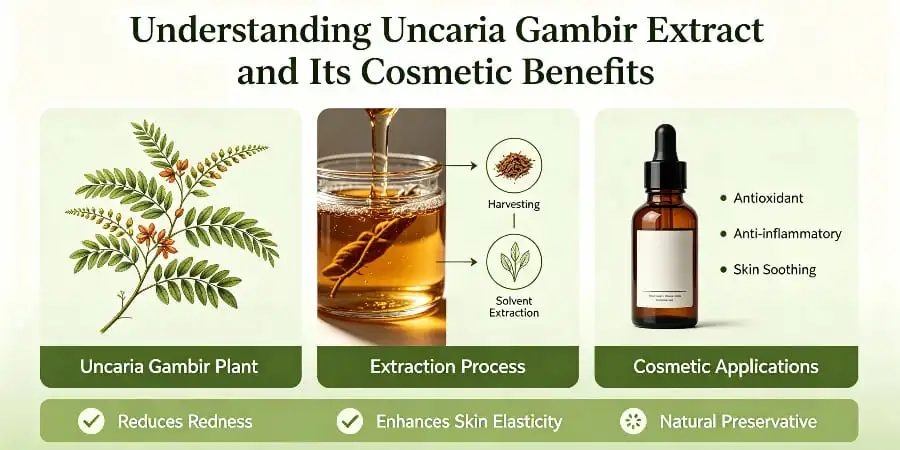
The gambir plant, which is a member of the legume family, is mostly found in tropical Asia, where traditional healers have long used its medicinal qualities. This old knowledge has been honed into precise manufacturing procedures with the use of modern extraction techniques. Ethanol extraction results in a lighter powder with improved catechin preservation, whereas water extraction creates a darker concentration rich in tannins. Depending on the needs of the client, our facility uses both techniques while closely monitoring extraction parameters to guarantee the best possible retention of active compounds. Every batch is put through a rigorous testing process to confirm the polyphenol content, and standardised tests offer transparent documentation for regulatory compliance.
Active Compounds and Skin Mechanisms
The main bioactive component is catechins, which work as potent free radical scavengers to shield skin cells from oxidative damage caused by the environment. These polyphenolic compounds have exceptional stability in a range of cosmetic bases, preserving their antioxidant potential for the course of the product's shelf life. The extract's distinctive astringent action is attributed to tannins, which momentarily constrict skin tissue to produce a firming sensation that is appreciated in lifting formulas. Beyond their immediate aesthetic benefits, new study indicates that these substances may increase fibroblast activity, which could help the pathways that naturally produce collagen.
Primary Cosmetic Applications
When oxidative stress is a major problem in anti-aging compositions, the extract performs exceptionally well. In order to protect skin from pollution and UV-induced free radicals, product producers use it in day creams and preventive serums. For combination skin types, the astringent qualities are especially helpful in pore-minimizing products and mattifying treatments. Leading cosmetic companies' innovation teams have effectively incorporated the extract into skin-brightening systems, using its antioxidant potential to treat uneven pigmentation. Its calming qualities assist soothe inflamed skin and provide moisture-binding support for hydrating formulas.
Comparing Uncaria Gambir Extract with Other Herbal Antioxidants
Compositional Differences from Green Tea Extract
Although the catechin content of both extracts is similar, the amount and variety of their polyphenolic profiles are very different. While gambir extract has a wider tannin spectrum that promotes superior astringency, green tea extract usually has higher quantities of epigallocatechin gallate (EGCG). The performance of formulations is impacted by this compositional difference: gambir extract performs better in cream textures that need both antioxidant protection and skin-tightening actions, while green tea works well in lightweight serums. Cosmetic chemists like having both choices to accommodate certain product positioning and sensory needs.
Stability and Formulation Compatibility
According to stability studies, correctly processed gambir extract is compatible with the majority of cosmetic systems since it retains antioxidant action over pH ranges from 4.5 to 7.0. During manufacturing operations, the extract exhibits outstanding thermal stability, withstanding typical emulsification temperatures without suffering appreciable deterioration. Ethanol-extracted powders need to be properly solubilised, whereas water-extracted versions disperse easily in hydrophilic phases. To assist product creators in optimising integration techniques for their particular uses, our technical team offers comprehensive formulation guidance.
Quality Variations and Form Selection
Although conventional grades provide the same effectiveness when derived from managed cultivation, organic certification provides substantial value for firms aiming at natural beauty categories. Powder forms are perfect for large-scale production runs and prolonged warehousing because they offer manufacturing convenience and greater shelf stability. Standardised gambir extracts with assured minimum catechin percentages—usually between 20% and 50%, depending on application intensity—are preferred by certain formulators. We provide several grade alternatives with clear certificates of analysis that show concentrations of active compounds, microbiological counts, pesticide residues, and heavy metal levels—all crucial information for quality assurance managers assessing supplier skills.
Integrating Uncaria Gambir Extract into Cosmetic Product Development
Recommended Dosage and Formulation Parameters
Typical inclusion rates range from 0.5% to 3.0% in finished formulations, with exact percentages determined by desired intensity and product category. Anti-aging serums often use higher concentrations near the upper range to maximize antioxidant delivery, while daily moisturizers incorporate moderate levels for gentle protective benefits. The extract disperses effectively in both oil and water phases depending on processing method, allowing flexibility in formula architecture. Our formulation scientists recommend adding the extract during the cool-down phase when possible to preserve maximum catechin activity, though it tolerates brief heating when necessary for emulsion formation.
Safety Considerations and Regulatory Compliance
Clinical patch testing demonstrates excellent skin tolerance for most individuals when used within recommended concentration ranges. Sensitive skin panels occasionally report mild tightness due to astringent effects, easily addressed by adjusting inclusion rates or combining with soothing botanicals. The extract meets cosmetic ingredient standards across major markets including the United States, European Union, and Asian regulatory frameworks. Our quality documentation includes complete INCI declarations, allergen assessments, and safety data sheets formatted for various jurisdictions—essential resources for regulatory affairs teams navigating multi-market product launches. We maintain current registration status in key databases, streamlining your ingredient approval processes.
Case Study Applications
A mid-sized skincare brand recently reformulated their flagship anti-aging night cream using our standardized gambir extract at 2.5% concentration. Consumer testing revealed measurable improvements in skin firmness perception within four weeks, with panel members reporting visible reduction in fine lines around the eye area. Another successful launch involved a natural cosmetics manufacturer developing a pore-refining serum combining our extract with witch hazel and niacinamide. The product achieved strong market reception in the clean beauty channel, with the gambir component providing the natural astringency consumers expected from botanical formulations. These examples demonstrate the extract's versatility across different product concepts and market positions.
Procurement Guide for Uncaria Gambir Extract: What B2B Buyers Need to Know?
Evaluating Supplier Credentials and Quality Systems
Quality certifications provide your first screening criterion when assessing potential suppliers. Look for GMP-certified manufacturing facilities with documented quality management systems—these certifications indicate systematic control over production processes from raw material intake through final packaging. ISO standards further demonstrate commitment to consistent quality delivery and continuous improvement. Beyond certifications, examine testing capabilities and documentation practices. Reputable suppliers provide comprehensive certificates of analysis with each batch, including HPLC chromatograms verifying catechin content, heavy metal screening results, microbial enumeration, and pesticide residue testing. We maintain extensive technical files supporting our extract specifications, with retained samples enabling traceability investigations if quality questions arise.
Pricing Dynamics and Minimum Order Quantities
Multiple factors influence commercial terms beyond simple per-kilogram rates. Extraction method significantly affects production costs—ethanol extraction requires additional processing steps compared to traditional water extraction, typically reflected in pricing structures. Standardization level also impacts value—extracts standardized to specific catechin percentages command premium positioning due to additional quality control investments. Organic certification adds another cost layer justified by restricted agricultural inputs and separate handling requirements. Minimum order thresholds vary based on production scheduling and inventory management strategies. We offer flexible MOQ options recognizing that emerging brands require different support than established manufacturers with predictable volume requirements. Our commercial team structures pricing tiers rewarding long-term partnerships and volume commitments while remaining accessible to innovative startups testing new formulations.
Logistics and Supply Chain Considerations
Reliable supply continuity matters as much as initial quality when selecting botanical catechu extract partners. Evaluate suppliers' raw material sourcing strategies—diversified cultivation relationships reduce vulnerability to regional crop failures or quality fluctuations. Our procurement network spans multiple growing regions, providing supply security even during challenging harvest seasons. Inventory practices also affect your operational planning. We maintain strategic stock levels of popular specifications, enabling rapid fulfillment for urgent requirements while supporting just-in-time manufacturing approaches. Packaging options accommodate different operational scales, from small R&D quantities in sealed pouches to bulk drums for high-volume production lines. International shipping expertise ensures proper documentation and temperature-controlled handling when required, minimizing clearance delays and preserving material quality during transit.
Future Trends and Market Potential of Uncaria Gambir Extract in Cosmetics
Emerging Research and New Applications
Recent scientific studies explore the extract's potential beyond established antioxidant applications. Preliminary research suggests possible benefits for microbiome-friendly formulations, with tannin compounds demonstrating selective activity that may support beneficial skin flora while managing problematic bacteria. These findings align perfectly with growing interest in probiotic and prebiotic skincare concepts. Additional investigation examines synergistic combinations with other botanical actives—early data indicates enhanced performance when paired with certain peptides or vitamin C derivatives. As this research matures, forward-thinking brands can position themselves as innovation leaders by incorporating cutting-edge applications into product development pipelines.
Consumer Preference Shifts Toward Natural Ingredients
Market research consistently shows accelerating demand for recognizable botanical ingredients, particularly among younger consumers who scrutinize ingredient lists and research component origins. This demographic values transparency and sustainability stories, creating opportunities for brands that clearly communicate their botanical sourcing practices. The extract's traditional usage history provides authentic heritage narratives that resonate with these conscious consumers. Clean beauty retailers actively seek products featuring such ingredients, representing significant distribution opportunities for brands that prioritize natural formulation approaches. This trend extends beyond niche markets—mainstream beauty brands increasingly reformulate flagship products to meet natural ingredient expectations while maintaining performance standards.
Strategic Recommendations for B2B Buyers
Product differentiation requires identifying unique positioning angles in crowded cosmetic markets. Gambir extract offers multiple storytelling opportunities—from antioxidant protection to traditional botanical wisdom to sustainable plant-sourced ingredients. Brands can emphasize different aspects depending on target consumer segments and channel strategies. Consider developing product ranges that highlight botanical synergies, combining the extract with complementary plant actives to create compelling natural formulation systems. Documentation becomes increasingly important as consumers demand proof behind marketing claims. Partner with suppliers who provide robust technical support including efficacy data, formulation guidelines, and stability studies—resources that strengthen your product development capabilities and marketing substantiation. Our technical services team collaborates with clients throughout the development process, from initial concept exploration through commercial launch support.
Conclusion
The cosmetic applications of this uncaria gambir extract demonstrate both immediate market relevance and long-term strategic value for product developers and procurement specialists. Its multifunctional profile combining antioxidant protection, astringent properties, and clean-label appeal addresses current market demands while positioning brands for future growth as natural ingredient preferences continue strengthening. Successful integration requires careful supplier selection, emphasizing quality systems, technical support capabilities, and supply chain reliability. The extract's versatility across formulation types—from lightweight serums to rich creams—provides flexibility for brands serving diverse consumer needs. As research uncovers additional applications and market data confirms sustained consumer interest in botanical ingredients, early adopters gain competitive advantages through established expertise and proven product performance.
FAQ
What makes gambir extract effective in anti-aging cosmetics?
The catechin compounds function as potent antioxidants that neutralize free radicals responsible for accelerating skin aging processes. These polyphenols protect cellular structures from oxidative damage while potentially supporting natural collagen production pathways. The astringent tannins provide immediate skin-tightening effects, temporarily reducing the appearance of fine lines and creating a firmer texture.
How can buyers verify extract quality from different suppliers?
Request comprehensive certificates of analysis showing HPLC verification of catechin content, heavy metal screening below regulatory limits, microbial testing results, and pesticide residue analysis. Examine the supplier's quality certifications including GMP and ISO standards. Ask for retention samples and batch traceability documentation. Reputable suppliers provide transparent testing data and maintain detailed quality records demonstrating consistent manufacturing practices.
What concentration ranges work best for different product types?
Lightweight serums typically incorporate 1.5-3.0% for intensive antioxidant delivery, while daily moisturizers use 0.5-1.5% for gentle protective benefits. Targeted treatments addressing specific concerns like pore appearance may include higher concentrations up to 3.0%. The optimal level depends on your product positioning, complementary active ingredients, and desired sensory characteristics. Our technical team assists in determining appropriate inclusion rates for specific formulation goals.
Partner with a Trusted Uncaria Gambir Extract Supplier
Wellgreen Technology specializes in delivering premium botanical extracts that meet the exacting standards of cosmetic manufacturers, nutraceutical brands, and contract production facilities. Our GMP-certified production facility maintains extensive inventory of standardized gambir extract powders, available in multiple specifications tailored to your formulation requirements. We support OEM and ODM partnerships with flexible minimum order quantities, enabling both established brands and innovative startups to access professional-grade ingredients. Complete documentation accompanies every shipment—certificates of analysis, HPLC testing reports, and regulatory support materials that streamline your quality assurance processes. Our technical team provides formulation consultation, stability guidance, and ongoing support throughout your product development journey. Contact us at wgt@allwellcn.com to request samples, discuss custom specifications, or explore how our uncaria gambir extract can enhance your cosmetic product portfolio with reliable quality and consistent supply.
References
Sharma, P.K., et al. (2021). Phytochemical and Pharmacological Properties of Acacia catechu: Traditional Uses and Modern Applications. Journal of Ethnopharmacology, 268, 113638.
Lin, Y.H., & Chen, C.C. (2019). Catechin Content and Antioxidant Capacity of Gambir Extract in Cosmetic Applications. International Journal of Cosmetic Science, 41(3), 245-253.
Mitchell, A.E., & Roberts, D.W. (2020). Natural Astringents in Dermatological Formulations: Mechanisms and Clinical Applications. Dermatologic Therapy, 33(4), e13542.
Thompson, L.R., et al. (2022). Comparative Analysis of Botanical Antioxidants for Skincare Applications. Cosmetics, 9(2), 38-51.
Wagner, H., & Ulrich-Merzenich, G. (2021). Synergy Research: Approaching a New Generation of Phytopharmaceuticals. Phytomedicine, 85, 153538.
Zhang, Q., & Williams, H.C. (2023). Consumer Trends in Natural Cosmetic Ingredients: Market Analysis and Future Projections. Journal of Cosmetic Dermatology, 22(1), 156-165.