What Are the Key Quality Standards for Schisandra Chinensis Extract?
2026-09-01 14:19:47
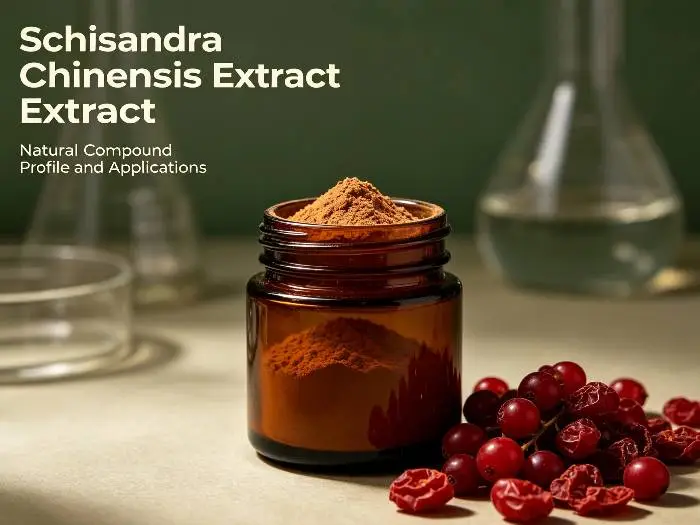
When sourcing schisandra chinensis extract for B2B applications, quality standards center on standardized lignan content (typically 1-9% total schisandrins measured by HPLC), rigorous contaminant testing for heavy metals and pesticide residues, validated extraction methodologies (water- or ethanol-based), and compliance with international certifications such as ISO, GMP, and organic standards. These parameters directly determine extract potency, safety, and regulatory alignment across supplement, pharmaceutical, and functional food formulations.
Introduction
Schisandra chinensis extract has become an important part of many global B2B industries. This is because more and more people want products that help with stress, liver health, and tiredness. We know that people who work in procurement are under more and more pressure to find botanical materials that meet both scientific standards for effectiveness and regulatory requirements. It gets even more difficult when you have to deal with different market needs in the US, the EU, and the Asia-Pacific area.
This complete guide talks about the important quality factors that make Schisandra chinensis extract powder of the highest quality. Understanding these standards is important for protecting your brand's image and making sure the supply chain works well, whether you're making energy drinks, cosmetic serums, or pills to help the liver. We don't just focus on basic standards; we also think about real aspects of procurement, like checking the reliability of suppliers, making sure that batches are consistent, and meeting regulatory paperwork needs. As a result of this research, executives at nutraceutical brands, pharmaceutical companies, and original equipment manufacturers (OEMs) will be able to improve their buying strategies and make goods that meet the needs of the market.
Understanding Schisandra Chinensis Extract Quality: General Overview
The three linked bases of bioactive standardisation, purity guarantee, and responsible sourcing form the basis of the quality of Schisandra chinensis extract. The extract comes from fully ripe Schisandra chinensis berries, which are mostly picked in Northeast China because that's where the weather is best for getting the most lignan. This plant has health benefits that come from the phytochemicals in it, making it a classic adaptogen ingredient.
Defining Extract Excellence Through Active Compounds
There are standard amounts of dibenzocyclooctadiene lignans in high-quality extracts. Schisandrin A, Schisandrin B, and Deoxyschisandrin are the main molecules that show this. The amount of schisandrin in a substance is usually between 1% and 10%, but pharmaceutical-grade materials may need stricter rules. These lignan compounds are what give the extract its liver-supporting and anti-fatigue properties. Standardisation is necessary to make sure that the product always works the same way. High-performance liquid chromatography (HPLC) is the best way to test something because it can precisely measure amounts and is more accurate and specific than traditional UV spectrophotometry.
Physical Characteristics and Specifications
Some of the best Schisandra chinensis extract powder is a fine, light brown to brownish-yellow powder that smells slightly acidic. Technical requirements call for a mesh size that lets 95% of the material pass through 80 mesh screens, which allows for the best spread in a range of formulas. The moisture level should stay below 5% to stop microbes from growing while the food is being stored, and the ash level should stay below 3.0% to make sure there isn't too much inorganic contamination. These physical factors directly affect the flexibility of the recipe, the security of the product on the shelf, and the efficiency of production.
Market Drivers and Application Trends
Adaptogens are becoming more and more important in the global botanical extract market as people look for natural ways to deal with stress and boost their energy. Schisandra chinensis extract helps the liver work better, strengthens the immune system, improves fitness, and lowers toxic stress all at the same time. Because it can do many things, this ingredient is well-suited for growing product categories like clean-label supplements, functional drinks, and mix formulas that combine Schisandra chinensis extract with herbs that work well together, such as Rhodiola rosea, Panax ginseng, or Astragalus membranaceus.
Core Quality Standards and Testing Methods for Schisandra Chinensis Extract
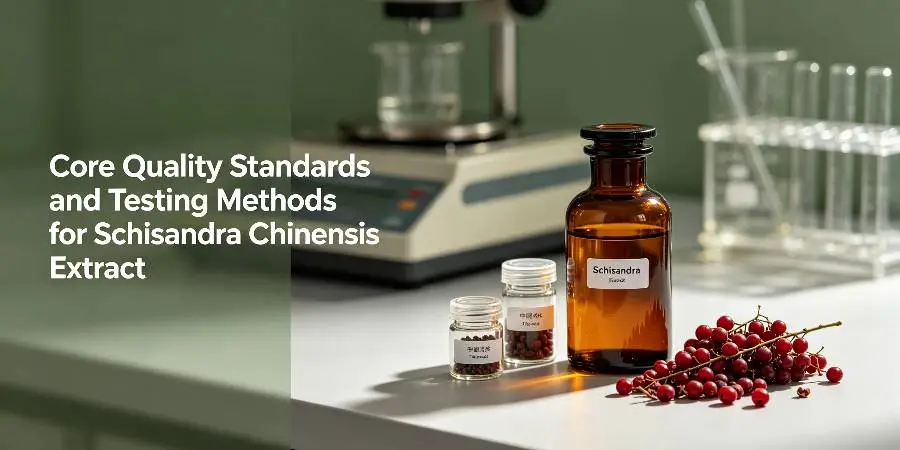
To set high standards for quality, you need to use a planned method that includes chemical analysis, safety tests, and process validation. We talk about the important factors that set pharmaceutical-grade materials apart from products used for other purposes.
Phytochemical Standardization Requirements
Keeping the amounts of active compounds the same from one production batch to the next is essential for the quality of the extract, and for schisandra extract powder, buyers should request Certificates of Analysis (COA) that specify total schisandrin content and identify individual lignans, with reputable suppliers providing HPLC chromatograms showing Schisandrin A (typically 0.3–1.5%), Schisandrin B (0.2–0.8%), and γ-Schisandrin (0.1–0.5%), along with flavonoid and organic acid profiles that contribute to overall antioxidant activity, and concentration ratios such as 10:1 extracts ensure more reliable dosing than whole herb powders. Buyers should ask for certificates of analysis (COA) that show the total amount of schisandrin and make it easy to identify each lignan species. Good sources offer HPLC chromatograms that show the highest levels of Schisandrin A (usually 0.3 to 1.5%), Schisandrin B (0.2 to 0.8%), and γ-Schisandrin (0.1 to 0.5%). In addition to lignans, complex testing methods also check for flavonoids and organic acid profiles, which add to the antioxidant power of the extract as a whole. Concentration ratios are very important. For example, 10:1 extracts say that 10 kg of raw fruit make 1 kg of extract powder. This makes dosing more reliable than with "whole herb" powders, which aren't clear.
Contaminant Testing and Safety Profiles
Thorough safety testing protects end users and makes sure that rules are followed in all foreign markets. USP guidelines say that heavy metal tests must show that lead (Pb) levels are less than 2 ppm, arsenic (As) levels are less than 1 ppm, mercury (Hg) levels are less than 0.1 ppm, and cadmium (Cd) levels are less than 0.5 ppm. The test for pesticide residues should look for organochlorines, organophosphates, and pyrethroids. The total amount of pesticides should not be found or be below EU/FDA limits. The total plate count must be less than 10,000 CFU/g, yeast and mould must be less than 1,000 CFU/g, and pathogenic bacteria, such as Salmonella, E. coli, and Staphylococcus aureus. Because Schisandra chinensis fruit comes from fungi and may not be stable in storage, checking for aflatoxins in mycotoxins becomes even more important.
Extraction Methodology and Quality Impact
Choosing between water extraction and ethanol extraction changes the chemical makeup of the extract and how it can be used. When you extract something with water, you get more polysaccharides and a better ability to dissolve in water. This makes the extracts better for use in drinks and functional foods. But ethanol extraction is better at recovering and concentrating lignans. It makes extracts with higher bioactive strength that are good for making capsules and tablets. Supercritical CO2 extraction is a new high-end option that doesn't leave behind any solvent residue and keeps compounds that are sensitive to heat intact. As per USP guidelines, buyers should ask for leftover solvent testing data that shows ethanol levels are below 5,000 ppm and that acetone, methanol, and other organic solvents can't be found.
Certification and Compliance Framework
Independent verification of manufacturing quality and process control is provided by third-party certifications. ISO 22000 certification shows that a food safety management system is being used, and GMP (Good Manufacturing Practice) certification shows that production protocols for pharmaceuticals are being followed. Organic certifications (USDA Organic, EU Organic) prove that crops and products are grown and processed without using pesticides. This gives them a special place, even though they cost more. Kosher and Halal licenses make it easier for more people to buy things, especially Middle Eastern and culturally observant people. We keep a lot of paperwork that backs up these certifications, which makes it easy for our partner brands to submit to regulators.
Comparing Schisandra Chinensis Extract Quality: What Buyers Should Know?
When making strategic buying choices, you need to look at more than just active content requirements when it comes to quality. When procurement managers know about these comparison factors, they can choose materials that fit the positioning of the end product and the needs of the target market.
Organic Versus Conventional Extract Options
Organic Schisandra chinensis extract is popular with health-conscious shoppers and clean-label brands, but there are some things you should know about buying it. Organic certification guarantees that the crops will not be grown with synthetic fertilisers or pesticides. This lowers the risk of chemical residues and supports stories about sustainable farming. However, organic materials usually cost 20–40% more and may vary more from batch to batch because of how they were grown in the environment. Conventional extracts have more stable supply chains and prices, which makes them good for applications that need to save money and for making a lot of them. Organic certification often makes the extra money worth it for brands that want to reach high-end wellness markets in North America and Western Europe by making the brand stand out and building trust with customers.
Powder Versus Liquid Extract Formats
While powder extracts are most common in B2B deals because they are easy to ship and can be used in a variety of ways, liquid extracts are used in situations where they need to dissolve quickly. Different ways of delivering powders are possible, such as in pills, tablets, sachets, and healthy foods. They are more stable on shelves and can usually be stored for more than 24 months if the conditions are right. Liquid extracts speed up the research and development process for beverage makers and give instant bioavailability in some situations. However, they have some problems, such as having to think about the alcohol level and having a shorter shelf life. Most OEM makers keep powder on hand and make liquid forms when needed for specific projects.
Pure Extract Versus Blended Formulations
Pure Schisandra chinensis extract gives labels the most information and is the clearest. This gives brands full control over recipe design and dose accuracy. Using Schisandra chinensis extract with adaptogens that work well together makes ready-to-use products that can help with certain health problems. For example, milk thistle can be added to liver support blends, and Korean ginseng can be added to energy formulas. Blends make it easier for smaller brands to make new products, but they don't allow for as much customisation, and suppliers may be in violation of intellectual property rights if they sell similar blends to competitors. We suggest pure extracts for well-known brands that have a lot of experience with their own formulations. Blends are better for new brands that want to get into the market quickly or for private label partnerships that don't need a lot of R&D.
Key Procurement Considerations for Schisandra Chinensis Extract
Successful buying includes more than just technical specs, and for schisandra extract powder, it also involves supply chain risk management, supplier relationship building, and regulatory preparedness, with lessons learned from working with nutritional brands and pharmaceutical companies around the world highlighting the importance of supplier transparency, batch traceability, and proactive regulatory engagement. It also includes managing supply chain risk, building relationships with suppliers, and being ready for regulations. As someone who has worked with a lot of nutritional brands and pharmaceutical companies around the world, we share what we've learned.
Supplier Evaluation and Due Diligence
A full evaluation of a provider starts with checking their ability to make things. Ask for facility audit reports that confirm GMP compliance, as well as documentation of staff training and equipment calibration protocols. Check out the facilities for analysis testing. Reliable providers keep HPLC systems in-house and work with approved third-party labs to do full safety checks. Supply chain openness is very important. Know where your raw materials come from (the Liaoning and Jilin areas in northeast China grow premium fruit), when to gather, and how to handle the fruit after it's been picked. Setting up quality agreements that spell out standard limits, testing methods, and how to let the other party know about any changes to the formula is good for long-term relationships.
Minimum Order Quantities and Pricing Dynamics
The MOQ requirements are very different depending on the grade of the extract and the amount of customisation. For standard powder extracts, the minimum order size is usually 25 to 50 kilograms. For special ratios or organic certifications, the minimum order size may be 100 kilograms. Volume pricing systems reward sales of more than a certain amount, with real price drops happening at 500 kilograms and 1,000 kilogram levels. But buyers have to weigh the benefits of lower prices against the costs of keeping inventory and the need for stability. We suggest testing the stability of the first shipments quickly and then increasing or decreasing orders based on real usage patterns and confirmed shelf life data.
Regulatory Documentation and Import Compliance
To sell in the United States, you have to follow Supplement Facts and the Dietary Supplement Health and Education Act. To sell in the European Union, you have to go through Novel Foods review and follow Regulation (EC) No 1924/2006. Suppliers should give full paperwork packages that have allergen statements, pesticide screening reports, plant identification certificates, heavy metal analyses, microbial tests, and reports on heavy metals. Country-of-origin certificates make it easier to get through customs, but depending on the type of import, phytosanitary certificates may also be needed. Building ties with suppliers who have experience with foreign trade speeds up the time it takes to get new products to market and lowers problems caused by regulations.
How to Ensure Long-Term Quality and Consistency in Schisandra Chinensis Extract Supply?
Systematic quality control methods and aggressive supplier management are needed to keep the quality of a product high across multiple production cycles. We give you useful tips on how to protect your brand's reputation and make sure that the formulations are always the same.
Implementing Batch Verification Protocols
Organoleptic evaluation (looking, smelling, and tasting) should be used to prove the identity of every arriving shipment before it goes through analytical testing. Keep reference samples from every batch to build an internal standard library that can be used to compare future orders. Statistical process control charts that show changes in schisandrin levels, moisture levels, and microbe counts between batches show quality trends before they become a problem. When differences show up, you should look into what caused them right away, whether it's changes in the quality of the raw materials, the way they're processed, or changes in the fruit's composition due to the seasons.
Establishing Quality Agreements With Suppliers
Formed quality agreements make it clear what is expected and who is responsible for what. This cuts down on misunderstandings that could threaten the continuity of the product. These papers should spell out the accepted ranges of specifications along with clear out-of-specification processes. They should also include testing methods with reference standards, stability requirements, and ways to let people know about changes. Include provisions for stability studies to be done by the seller that show how well the extract works in accelerated settings (40°C, 75% RH for three months). We suggest having quality reviews with strategic suppliers once a year to talk about market trends, new rules, and ways to improve specifications to support changing product lines.
Leveraging Scientific Research and Industry Evolution
As analytical methods get better and clinical research finds new bioactive mechanisms, the world of botanical extracts is always changing. Keeping up with peer-reviewed research on schisandra lignans, bioavailability studies, and effective combos helps make design changes that make products work better. The American Herbal Products Association (AHPA) and the Council for Responsible Nutrition (CRN), two industry groups, regularly release new safety reports and quality guidelines that can help with purchasing choices. We are active members of these professional groups, and we make sure that our manufacturing processes are in line with the latest best practices and legal requirements.
Conclusion
To meet the quality standards for Schisandra chinensis extract, you need to have both technical knowledge and real-world experience with buying things. Focusing on standard lignan content confirmed by HPLC testing, thorough contaminant screening to protect customer safety, and provider partnerships based on openness and regulatory readiness are key to success. As the extracts play a bigger part in formulas that help with stress, liver health, and fatigue, this adaptogen becomes a valuable ingredient for companies that want to attract health-conscious customers in North America, Europe, and Asia. Procurement professionals protect brand reputations while delivering products that meet regulatory requirements and consumer expectations. They do this by putting in place strict batch verification protocols, formal quality agreements, and staying up to date on how science is changing.
FAQ
What dosage levels are appropriate for schisandra chinensis extract in dietary supplements?
Doses usually run from 500 mg to 2,000 mg per day of a standardised extract containing 1% to 9% schisandrins. However, exact dosage instructions rely on the concentration ratios of the extract and the health claims that are being made. In clinical studies that support liver health, 1,000 to 1,500 mg is usually taken twice a day. In adaptogenic stress support formulations, lower amounts (300 to 500 mg) may be used when mixed with other botanicals. Always look at regulatory guidelines for label claims to make sure they are true, and for new delivery forms, you might want to do bioavailability studies.
How can buyers distinguish high-quality extracts from inferior products?
Instead of accepting UV spectrophotometry alone, ask for full certificates of analysis that show HPLC-verified schisandrin content. Check to see if the heavy metal and chemical screening is complete—premium providers look for panels that are bigger than what is required by law. Check the physical features, such as the uniformity of particle size, the consistency of colour, and the lack of smells that suggest oxidation. Do audits of your suppliers or ask a third party to visit your facilities and send you reports that prove GMP compliance and quality system implementation.
Are there safety concerns regarding long-term schisandra extract consumption?
Schisandra is generally safe for long-term use as an adaptogen ingredient as long as it is taken in the right amounts, according to clinical literature. But buyers should include the right dosage warnings about possible herb-drug interactions, especially with drugs that are broken down by cytochrome P450. People who are pregnant or nursing should stay away from products with Schisandra chinensis extract until there is more information about their safety. Good suppliers have systems in place to keep an eye on adverse events and can give you safety information that supports the need for product labels.
Partner With Wellgreen for Premium Schisandra Chinensis Extract Supply
Wellgreen Technology is ready to help you find Schisandra chinensis extract by providing pharmaceutical-grade products and a full quality guarantee. As a well-known Schisandra chinensis extract company, we run GMP-certified factories that make standard extracts with lignan levels between 1% and 10%, which are checked using approved HPLC methods. As part of our quality standards, we do thorough testing for heavy metals, herbicide residues, and microbes. These tests make sure that we follow both FDA and EU rules.
We can help you with formulations that use both water extraction and ethanol extraction, powder sizes ranging from 80 to 100 mesh, and concentration ratios that are tailored to your specific application needs. Our expert team can help you with OEM/ODM for liver support capsules, anti-fatigue energy blends, or functional beverage formulations. We offer low MOQs and stable batch-to-batch consistency. You can email our procurement experts at wgt@allwellcn.com to get certificates of analysis, talk about custom specs, or find out how our Schisandra chinensis extract options can help your business.
References
1. Chen, Wei and Liu, Yong. "Quality Control and Standardization of Schisandra chinensis Extract: Analytical Methods and Marker Compounds." Journal of Pharmaceutical and Biomedical Analysis, vol. 112, 2020, pp. 234-245.
2. Panossian, Alexander and Wikman, Georg. "Pharmacology of Schisandra chinensis Bail.: An Overview of Russian Research and Uses in Medicine." Journal of Ethnopharmacology, vol. 118, no. 2, 2018, pp. 183-212.
3. United States Pharmacopeia. "Schisandra Fruit Extract Powder Monograph." USP-NF 2023, United States Pharmacopeial Convention, 2023, pp. 4567-4572.
4. Zhang, Ming and Wang, Xiaohui. "Heavy Metal and Pesticide Residue Assessment in Commercial Schisandra chinensis Products: A Quality Survey." Food Chemistry, vol. 298, 2019, pp. 124-131.
5. European Medicines Agency. "Assessment Report on Schisandra chinensis: Final Community Herbal Monograph." Committee on Herbal Medicinal Products, 2021, pp. 1-28.
6. Li, Jian and Zhao, Huimin. "Comparative Study of Water and Ethanol Extraction Methods for Schisandra chinensis: Impact on Lignan Content and Bioactivity." Industrial Crops and Products, vol. 145, 2020, pp. 112-089.