Choosing Standardized Polygonum Multiflorum Extract
2026-06-25 14:14:32
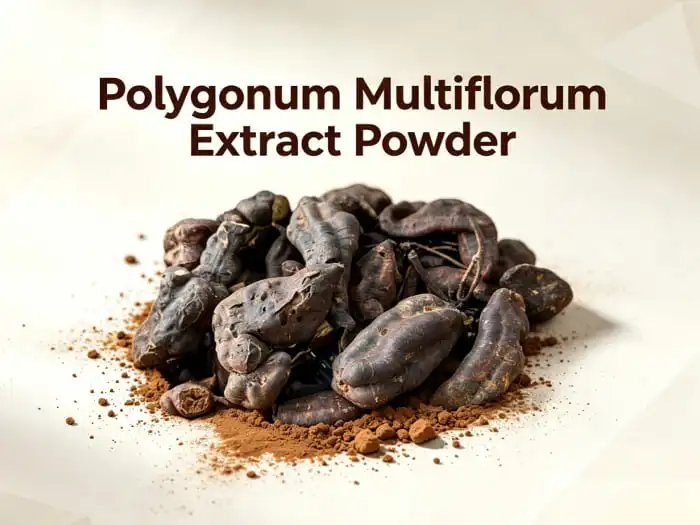
Choosing the right Polygonum multiflorum extract is important in today's competitive health market because it can make or break your formula. This traditional plant ingredient comes from the root of Polygonum multiflorum Thunb. Its popularity has grown around the world, especially in the nutraceutical, pharmaceutical, and cosmetics industries. The main bioactive ingredient, 2,3,5,4'-tetrahydroxystilbene-2-O-β-D-glucoside (also called TSG or THSG), has a direct effect on how well the product works. When purchasing capsules, tablets, functional drinks, or anti-aging serums, procurement managers have to deal with safety regulations, supplier dependability, and levels of standardisation to get consistent, high-quality materials that meet both legal requirements and customer expectations.
Understanding Polygonum Multiflorum Extract: Benefits and Safety Considerations
Core Bioactive Components and Their Therapeutic Potential
Root extract from Polygonum multiflorum has many useful chemicals in it, including stilbene glycosides, which are found in standard goods at levels ranging from 2% to 10%. For example, TSG is the main marker molecule that helps the liver and kidneys work better, supports hair colour, and fights oxidative stress. Along with stilbenes, the extract has anthraquinones like emodin and physcion that fight bacteria and inflammation. It also has flavonoids, polysaccharides, phospholipids, and trace minerals like zinc and iron. Because it does more than one thing, the extract can be used as an ingredient in hair health supplements, anti-aging products, heart health products, and men's health mixes. Researchers have shown that TSG gets rid of free radicals, protects the integrity of cells, and changes how the immune system reacts. This makes it very appealing to people who are making products for the lifespan and vitality markets.
Safety Parameters and Regulatory Compliance
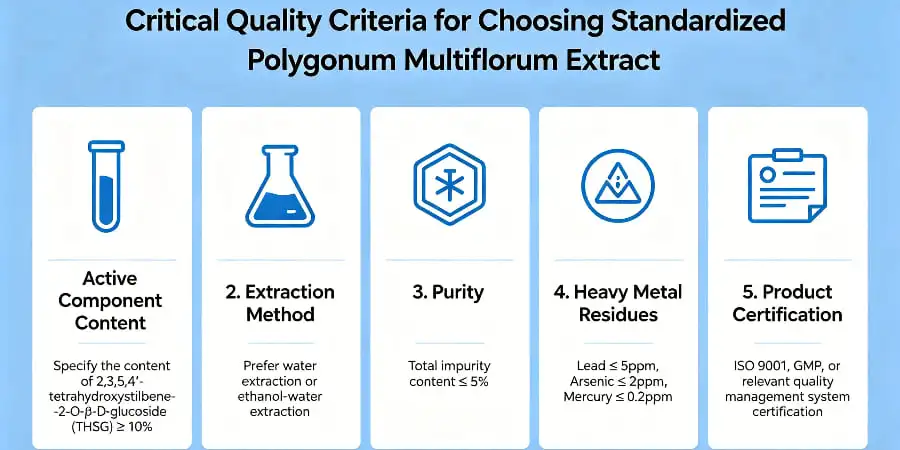
Even though the extract has a lot of benefits, safety is still a very important thing to think about when buying it. The amount of anthraquinone must be tightly controlled because too much of it could be harmful to the liver. Reliable providers use strict quality control procedures that include High-Performance Liquid Chromatography (HPLC) testing to check TSG levels and measure emodin and physcion levels. Using Inductively Coupled Plasma Mass Spectrometry (ICP-MS) to check for heavy metals like lead, arsenic, mercury, and cadmium makes sure that the product meets the standards set by the US Pharmacopoeia (USP) and the European Pharmacopoeia. We test for microbes like yeast, mould, and total plate count. coli and Salmonella must be present in foods that are meant to be eaten by humans. There are specific rules or warnings about how to use Polygonum multiflorum in some places, especially in the European Union. Buyers need to make sure that the seller has all the necessary paperwork, like Certificates of Analysis (COA), third-party lab reports, and fingerprint chromatograms, to prove that the plants are real and not mixed with cheaper fillers.
Critical Quality Criteria for Choosing Standardized Polygonum Multiflorum Extract
Defining Standardization and Its Importance
To make sure that every batch of a product has the same amount of active substances (TSG in this case), the process is called standardisation. This consistency has a direct effect on the accuracy of the dosage, the reliability of the formulation, and the therapeutic results. Standardised extracts are measured using HPLC, and standard requirements include a TSG content of 2%, 5%, or 10%. Ratio extracts only show the mass ratio of the raw material to the finished extract and don't promise the levels of active compounds. Standardised products, on the other hand, give you the accuracy you need to meet label claims and regulatory requirements. When formulators make hair loss support capsules, anti-aging serums, or functional drinks, they need to know the exact TSG quantity so they can figure out the right doses that will give users the benefits they expect.
Evaluating Powder Versus Liquid Extract Forms
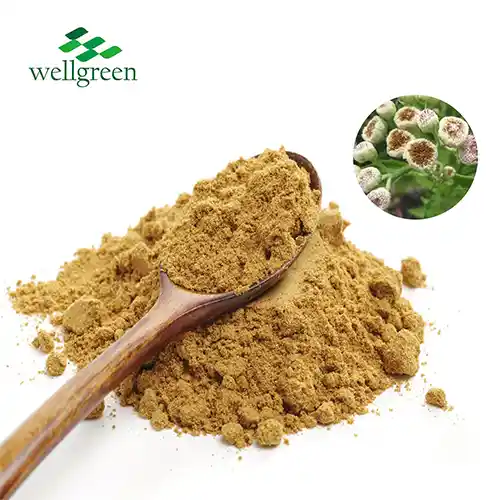
The physical form of the extract affects both how stable and flexible the mixture is. Powder extracts, which are usually made by spray-drying or vacuum-drying, last longer on the shelf, are easier to carry, and can be used in a variety of ways in capsules, tablets, sachets, and blended powders. For best blending properties, these powders generally have particles bigger than 80 mesh, less than 5% moisture, and less than 5% ash. When used in beverages, liquid extracts dissolve right away, but they need to be stored carefully and moving them can be hard because of their weight and volume. Powder forms are usually more cost-effective and stable over time for B2B buyers who are looking for ingredients for health supplements or functional foods. However, liquid forms may be better for certain ready-to-drink recipes where the ingredients need to be mixed right away.
Essential Certifications and Manufacturing Standards
Getting botanical polygonum multiflorum root extracts from certified facilities protects the image of your brand and makes sure that you follow all international regulations. If a production facility has Good Manufacturing Practice (GMP) approval, it means that they follow strict rules for hygiene, documentation, and quality control during the whole manufacturing process. Getting an ISO license, especially ISO 9001 for quality management and ISO 22000 for food safety, shows that you can improve your business in a planned way. If you want to buy something to export, the supplier should show proof that it meets the standards of the US Food and Drug Administration (FDA) for dietary supplements. They should also show food-grade or supplement-grade certifications that are appropriate for your target market. Brands that are making plant-based, vegan, or "clean label" goods like organic certifications when they are available. These credentials not only lower the risk of not following the rules, but they also show trust, which makes due diligence easier during talks for a purchase.
Market Comparison: Selecting the Best Polygonum Multiflorum Extract Supplier
Assessing Supplier Reputation and Technical Capacity
When evaluating possible providers, you need to look at more than just the price. The ability to make things includes technologies for extraction, analysis, quality control, and help with research and development. The best sellers keep HPLC, Gas Chromatography-Mass Spectrometry (GC-MS), and ICP-MS machines in-house so they can do full tests without having to wait for outsourcing. It's important to make sure that batch consistency is the same across different production amounts because production capacity directly affects your ability to increase orders as market demand rises. Suppliers who offer custom formulation support, such as help with hair health blends, anti-aging complexes, or traditional herbal mixtures with ginseng, goji berry, and astragalus, offer more than just raw materials. Technical information like stability studies, solubility data, and application instructions show that a supplier wants to help with the development of a successful product.
Geographic Sourcing and Supply Chain Reliability
Most of the time, Polygonum multiflorum is grown in certain parts of Asia where traditional farming methods meet current quality standards. Geographic origin affects both the quality of the raw materials and the security of the supply, since growing conditions, harvest times, and processing methods are all very different depending on where they come from. It's helpful for buyers to know if their supplier has direct ties with growers, which makes it possible to track the product from the field to the finished extract. Supply chain problems caused by seasonal harvests, bad weather, or changes in regulations can make it hard to get inventory. That's why it's important to work with suppliers who keep enough buffer stock and are honest about wait times. When sending goods internationally, the integrity of the goods is also affected by the packaging. Vacuum-sealed aluminium foil bags with polyethylene liners inside keep extracts from getting wet or oxidised, and the right labelling makes sure that the goods go through customs without any problems.
Analyzing Minimum Order Quantities and Pricing Models
Minimum order quantities (MOQ) have a direct effect on how easy it is to buy something, especially for new brands trying out new formulas or for established brands releasing limited-edition goods. Suppliers with open MOQ policies can meet the needs of a wide range of buyers, though bigger orders usually get better prices. When procurement managers compare price models, they should look at more than just unit costs. They should also look at how complete the service packages are. Some providers offer free testing, help with reformulating, or private label design support, which is worth a lot more than the cost of the materials themselves. Payment terms, such as the ability to use letters of credit or trade guarantee programs, protect your money when you do business with other countries. Clear communication about possible price changes caused by changes in the supply of raw materials or rules encourages long-term partnerships based on mutual understanding rather than one-time transactions.
Procurement and Supply Chain Essentials for B2B Buyers
Navigating the Complete Ordering Workflow
Botanical extracts are usually bought by starting with a thorough technical question that lists the needed TSG concentration, extract ratio, particle size, certifications, and the purpose for the extracts. Reliable suppliers will reply with detailed technical data sheets, COAs from most recent production runs, and price quotes that include the MOQ, wait times, and shipping terms. Evaluation of samples is an important step that lets your formulation team check the taste, how well it dissolves, and how well it works with other ingredients before making bigger purchases. It is important to be clear about the limits for pesticide residues, heavy metals, and microbes during talks so that there are no misunderstandings that could affect the safety of the product. Contracts should clearly spell out quality standards, inspection processes, liability rules, and ways to settle disagreements so that everyone is protected throughout the business relationship.
Managing International Shipping and Customs Compliance
Getting botanical ingredients across international borders means figuring out complicated customs rules, import paperwork, and possible tax classifications. Suppliers with a lot of experience make this process easier by giving all the necessary export paperwork, such as business invoices, packing lists, phytosanitary certificates, and certificates of origin. Understanding the Harmonised System (HS) codes for herbal polygonum multiflorum root extracts is important for making sure that customs reports are correct and that duty is calculated correctly. Shipping options include air freight for quick small orders and sea freight for cheaper large shipments. Delivery times vary from days to weeks based on the choice. Insurance guards against damage or loss during transport, and keeping the right temperature during transport keeps the stability of the extract. Getting to know freight forwarders who specialise in the logistics of botanical ingredients speeds up the supply chain and makes it easier for internal buying teams to do their jobs.
Establishing Quality Assurance and Traceability Systems
Ongoing quality assurance includes checking each batch to make sure it meets standards throughout the partnership, not just when the seller is first qualified. Using methods for inspecting incoming materials that compare shipments to agreed upon standards stops low-quality materials from getting into your production process. Traceability systems that keep track of each batch from where the raw materials come from to how they are extracted, tested, and delivered make everything clear, which meets both internal quality standards and external regulatory checks. Suppliers who keep full batch records that include information about cultivation, processing parameters, and analytical data show that their operations are mature, which helps your quality management system. After-sales support that includes technical troubleshooting, help with reformulation, and quick communication builds trust, which turns one-time purchases into long-term relationships that can change with the needs of the market.
Making the Final Decision: Criteria and Recommendations for B2B Buyers
Evaluating Extract Purity and Active Compound Concentration
Verifiable purity metrics and exact active compound concentrations are the most important factors in determining the quality of an extract. HPLC analysis is still the best way to prove TSG levels, and reliable suppliers can provide chromatogram data that shows peak purity and the lack of any impurities. When you compare specs from different suppliers, you can see that standardisation claims are very different. This is why independent third-party testing is a good idea when you are qualifying suppliers. Looking at the total stilbene profile, controlled anthraquinone levels, and lack of synthetic additives, along with the TSG content, makes sure that the extract fits with clean-label positioning and meets customer standards for natural ingredients. Stability data that shows how the concentration of TSG changes under different storage situations helps with storing goods correctly and figuring out when they go bad.
Customization and Private Label Opportunities
Different formulas that stand out in crowded stores are becoming more and more important in today's nutraceutical and cosmetic markets. Brands can make their own unique products by working with suppliers who offer customisation services, such as custom TSG concentrations, specialised processing methods, or proprietary mixes that combine Polygonum multiflorum with other plants that work well together. Private label and OEM/ODM partnerships let businesses use known manufacturing skills without having to invest a lot of money in new facilities. These partnerships usually include formulating, testing for stability, helping with regulatory paperwork, and designing packaging. They shorten the time it takes to get a product to market while still keeping quality standards. Customisation features turn common raw materials into unique brand assets that command expensive positioning, whether they are used to make hair colour supplements, heart health formulas, or anti-aging skin care actives.
Building Strategic Supplier Relationships
When you switch from spot buying to strategic partnerships, you get a lot of competitive benefits, such as better prices, priority allocation during times of limited supply, chances to work together on new ideas, and a more resilient supply chain. Scheduled business reviews, joint technical workshops, and talks about market trends are all ways to keep in touch with your supplier and make sure that their skills are in line with your changing business needs. When demand forecasts are made public, suppliers can better plan their production and buy raw materials, which cuts down on wait times and makes inventory management better for everyone. As functional botanical ingredients become more popular in Western markets, working with forward-thinking suppliers who put money into research, certifications, and environmentally friendly sourcing puts your brand ahead of the curve instead of always having to catch up to what competitors are doing.
Conclusion
Choosing standardized Polygonum multiflorum extract requires balancing multiple technical, regulatory, and commercial considerations that collectively determine formulation success and brand reputation. The clarity provided by HPLC-verified TSG concentrations, comprehensive safety testing, and robust supplier certifications transforms botanical sourcing from a transactional necessity into a strategic advantage. Procurement professionals who invest time in understanding standardization methodologies, evaluating supplier capabilities, and establishing quality assurance protocols position their organizations to deliver consistent, effective products that meet increasingly sophisticated consumer expectations. The global trajectory toward plant-based wellness solutions ensures continued demand for high-quality herbal extracts, making supplier selection decisions today the foundation for market leadership tomorrow.
FAQ
What TSG concentration should buyers specify for hair health supplements?
Hair health formulations typically utilize extracts standardized to 2-5% TSG, providing sufficient bioactive content for efficacy while maintaining safety margins. Higher concentrations may be appropriate for professional-grade products but require careful formulation to control anthraquinone exposure.
How do buyers verify supplier claims about standardization levels?
Request recent COAs with HPLC chromatograms showing TSG quantification, then conduct independent third-party testing on received samples. Reputable suppliers welcome verification testing as it demonstrates their quality commitment and builds mutual trust.
What regulatory considerations affect Polygonum multiflorum extract in US markets?
US dietary supplement regulations require accurate labeling, adherence to Current Good Manufacturing Practice (cGMP) standards, and proper substantiation of structure-function claims. While not requiring pre-market approval, companies must notify FDA within 30 days of marketing products containing new dietary ingredients including Polygonum multiflorum extract.
Partner with Wellgreen for Premium Standardized Botanical Extracts
Wellgreen Technology stands as your trusted Polygonum multiflorum extract supplier, delivering GMP-certified ingredients with verified TSG concentrations ranging from 2% to 10% to meet diverse formulation requirements. Our state-of-the-art facility combines traditional botanical knowledge with advanced analytical capabilities, ensuring every batch undergoes rigorous HPLC testing, heavy metal screening, and microbiological analysis before reaching your production floor. We support nutraceutical brands, pharmaceutical developers, and cosmetic formulators with flexible minimum order quantities, comprehensive documentation packages, and responsive technical assistance throughout product development. Whether you need standardized powders for capsule formulations or customized blends for functional beverages, our team provides the quality assurance, supply chain reliability, and competitive terms that transform sourcing challenges into competitive advantages. Contact us today at wgt@allwellcn.com to discuss your specific requirements and request samples that demonstrate why leading brands choose Wellgreen as their preferred botanical extract manufacturer.
References
Chen, W., Zhang, L., & Wang, K. (2021). Pharmacological Properties and Quality Control of Polygonum multiflorum: A Comprehensive Review. Journal of Ethnopharmacology, 276, 114-132.
Lin, L., Ni, B., Lin, H., & Zhang, X. (2020). Stilbene Glycoside: Chemical Structure, Pharmacological Activities, and Industrial Applications. Phytotherapy Research, 34(8), 1845-1867.
United States Pharmacopeia. (2022). USP-NF General Chapter 2232: Elemental Impurities - Limits. United States Pharmacopeial Convention.
European Medicines Agency. (2019). Assessment Report on Polygonum multiflorum: Safety Considerations and Regulatory Guidance. Committee on Herbal Medicinal Products.
Zhang, Y., Wang, D., & Liu, M. (2020). HPLC-Based Quality Control Methods for Botanical Extracts in Nutraceutical Manufacturing. Analytical Chemistry Insights, 15, 1-18.
International Organization for Standardization. (2018). ISO 22000:2018 Food Safety Management Systems - Requirements for Organizations in the Food Chain. ISO Standards Catalogue.