How Bulk Bergamot Extract Supports Innovative Food and Beverage Formulas
2026-08-10 15:06:15
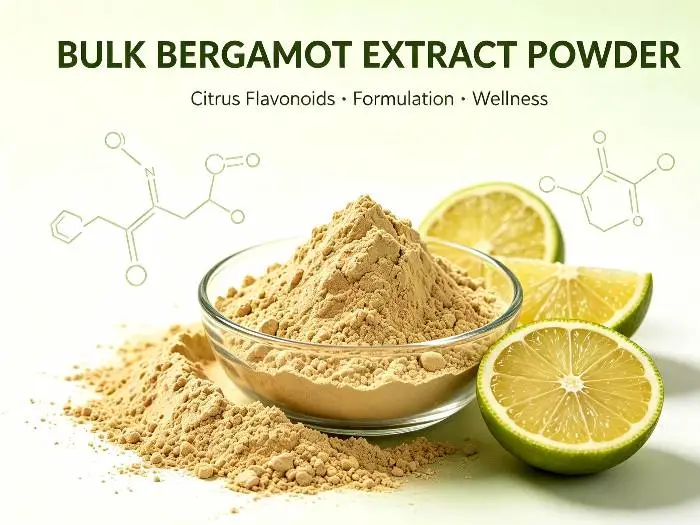
Bulk Bergamot Extract supports innovative food and beverage formulas by delivering a unique combination of standardized bioactive polyphenols, natural citrus complexity, and multifunctional properties that traditional flavorings cannot match. Sourced from the fruit and peel of Citrus bergamia Risso cultivated in the premium Italian Calabria region, this extract provides formulators with clean-label solutions that enhance flavor profiles, extend shelf life through natural preservation, and meet rising consumer demand for heart-healthy, antioxidant-rich ingredients. Its exceptional water solubility and stability in diverse pH environments make it ideal for beverages, dairy products, and functional snacks targeting wellness-conscious markets.
Understanding Bulk Bergamot Extract in Food and Beverage Applications
What Makes Bergamot Extract a Standout Ingredient?
Bulk Bergamot Extract originates from the citrus plant Citrus bergamia Risso, which is in the Rutaceae family. The fruit is mostly picked in Calabria, Italy, because the climate there concentrates the fruit's beneficial chemicals. Manufacturers make a natural ingredient that is high in Bergamot Polyphenolic Fraction (BPF) by using a gentle water-ethanol extraction method and improved chromatographic processing. This part has special flavonoid compounds, like neohesperidin, naringin, and neoeriocitrin, that make Bulk Bergamot Extract different from other citrus extracts.
When the ingredients are extracted, they are kept in a way that keeps beneficial substances like soluble fiber, vitamin C, and trace minerals that make finished products more bioavailable. Essential oils mostly have aromatic qualities. These polyphenol-rich powders, on the other hand, have measured functional benefits along with their citrus notes. This two-in-one feature is useful for formulators because it lets them address both sensory and wellness positioning in a single ingredient declaration.
Nutritional Profile and Functional Roles
The flavonoid content of Bulk Bergamot Extract is what makes it healthy. Its total polyphenols content is usually measured at 25%, 30%, 38%, or 40% using HPLC analysis. The strong antioxidant activity of these compounds is shown by ORAC values that are often higher than those of blueberry or green tea extracts. In addition to being an antioxidant, the unique flavonoid profile also acts as an antibiotic against common organisms that cause food to go bad. This makes the extract a natural way to improve the shelf life of products that need to meet clean label standards.
The extract is highly valued by beverage makers because it can add natural acidity and brightness without the sharp bitterness that comes with other citrus bioflavonoids. The manufacturing process of debittering, which is purely physical and gets rid of harsh tannins while keeping delicate citrus aromatics, makes the formulation simpler and reduces the need for masking agents or too many sweetener systems.
Organic Versus Conventional: Sourcing Considerations
The choice between standard Bulk Bergamot Extract and organic-certified Bulk Bergamot Extract depends on the target market and the rules that apply. Organic certifications make it easier to track products and appeal to more discerning customers, but they need supply lines that have been checked from approved farms to processing centers. If you buy conventional extracts from a reputable source, they also go through the same strict testing for contaminants. This includes heavy metal analysis via ICP-MS, testing for polycyclic aromatic hydrocarbons, and comprehensive pesticide residue panels covering over 500 compounds.
Smart buyers know that origin traceability is important for more reasons than just being organic. Because of the minerals in the soil and the number of growing degree days, Calabrian bergamot naturally gathers higher levels of polyphenols. This gives it natural quality advantages. From harvest records to extraction batch logs, supply chain documentation is the basis for regulatory compliance and customer transparency, which is becoming more and more important in international ingredient markets to gain a competitive edge.
How Bulk Bergamot Extract Enables Innovation in Formulations?
Addressing Stability Challenges in Beverage Systems
When used in acidic beverages, especially those with ascorbic acid or that have been heated, traditional citrus flavorings don't stay stable for long, and for Pure Bergamot Powder Supplier, these problems can be solved by Bulk Bergamot Extract powder, which has improved physical properties and chemical resistance, and the uniform polyphenol content keeps its structure when the pH level changes from 3 to 9, and it also keeps its taste and ability to do its job through pasteurization cycles that reach 95°C. These problems can be solved by Bulk Bergamot Extract powder, which has improved physical properties and chemical resistance. The uniform polyphenol content keeps its structure when the pH level changes from 3 to 9. It also keeps its taste and ability to do its job through pasteurization cycles that reach 95°C.
The extract is very water-soluble thanks to specialized vacuum drying and particle size optimization to 80–120 mesh. This allows for quick and full dispersion in cold-fill beverage uses. This solubility profile gets rid of the haze formation and ring deposition issues that come up with badly processed citrus ingredients. This means that final products are crystal clear even in formulations with added minerals or proteins, where ingredient interactions usually make stability difficult.
Natural Preservation and Shelf Life Extension
Bulk Bergamot Extract polyphenols have antimicrobial qualities that make them a scientifically proven way for formulators to increase the microbiological shelf life of their products without using artificial stabilizers. Scientists have shown in the lab that this substance can stop yeast, mold, and some types of bacteria that cause ready-to-drink drinks and dairy products to go bad. When added at functional dosage levels, which are usually between 0.3% and 1.5% of the finished product's weight, the extract reduces the number of microbes by a measurable log during accelerated shelf-life testing.
This way of keeping things fresh works well with other barrier technologies, like cooling, modified atmosphere packing, and pH control. This means that formulators don't have to use as much sodium benzoate or potassium sorbate. Consumers in North America and Europe are very interested in products that don't use chemical preservatives, so the cleaner ingredient claims make a real difference in marketing in crowded retail categories.
Real-World Innovation Examples
Several innovative functional drink brands have successfully added Bulk Bergamot Extract to their top-selling products. Heart-healthy ready-to-drink teas mix the extract with hibiscus and hawthorn berry to make claims of combined cardiovascular support that are backed up by studies on each ingredient. Energy drink makers use Bulk Bergamot Extract’s natural, caffeine-free ability to speed up metabolic processes to make drinks that are good for supporting brain function during the day without causing jitters.
Manufacturers of yogurt drinks use Bulk Bergamot Extract to make their drinks taste better and have more antioxidants. This helps their goods stand out in the probiotic drink market. The natural affinity of the extract for dairy proteins stops the unwanted interactions that can happen with synthetic flavoring systems. This keeps the mouthfeel smooth and the viscosity stable during the refrigerated shelf life. Consumer tests always show that they like the mild citrus flavor, which is described as more mature than regular orange or lemon flavors.
Key Considerations for Selecting Bulk Bergamot Extract Suppliers
Essential Quality Parameters and Testing Protocols
Tough quality standards must be set by procurement managers to prevent economic adulteration, which is known to happen with high-value citrus extracts. Melitidin and brutieridin are special chemicals that make real Bulk Bergamot Extract different from cheaper grapefruit or pomelo liquids that are sometimes used as fillers. High-Performance Thin Layer Chromatography (HPTLC) fingerprinting quickly confirms a person's identity, while HPLC quantification confirms the total amount of flavonoids present and the presence of these signature molecules.
Heavy metal screening with inductively coupled plasma mass spectrometry should be part of the full quality documentation. To meet strict pharmaceutical and nutraceutical standards, the lead content should be below 3.0 ppm, and the arsenic content should be below 2.0 ppm. Total plate counts must be less than 1,000 CFU/g, and dangerous organisms, such as E. coli and Salmonella, must not be present at all, according to microbial safety tests. A study of the solvent residue shows that only food-grade ethanol and water were used for the extraction process. The amounts of leftover solvent were well below the limits set by EP and USP.
Certifications and Traceability Systems
GMP-certified factories have systematic quality management throughout the whole production process, from receiving the raw materials to packaging them at the end. Third-party approval of hazard analysis and key control point methods is given by ISO certifications, especially ISO 22000 for food safety management. Brands that want to sell to religious consumers can get more customers with Kosher and Halal certificates. On the other hand, organic certifications need to be checked every year through audits.
There is paperwork that shows the full chain of custody for each production lot, from the orchard number to the finished powder lot number and back again. This system for tracking becomes very important during regulatory checks, customer due diligence, and sometimes quality investigations. Leading suppliers keep digital platforms for tracking goods so that customers can see real-time information like pesticide screening reports, microbiological certificates, and assay results for the Bulk Bergamot Extract products they have ordered.
Evaluating Regional Sources and Supplier Capabilities
Bulk Bergamot Extract has traditionally come mostly from Italy because Calabria has perfect growing conditions and hundreds of years of experience growing citrus fruits. These providers usually charge higher prices, which is backed up by evidence of high polyphenol levels and legal acceptance in global markets. Chinese makers have become competitive options. They offer lower prices by investing in modern extraction technology and vertical integration, while still meeting the same quality standards.
Smart buyers don't just look at certificates of analysis when choosing a supplier. They also look at how well they can help with technical issues, how flexible their minimum order requirements are, and how much they can produce to support growth. Offering sample amounts for bench-top trials, giving formulation advice, and keeping enough inventory to avoid supply interruptions are all signs that a supplier is committed to a partnership that goes beyond a transactional relationship. Customizing specifications, like offering bergapten-free grades for photosensitivity concerns or debittered versions for flavor-sensitive uses, shows advanced production skills that meet the needs for innovation.
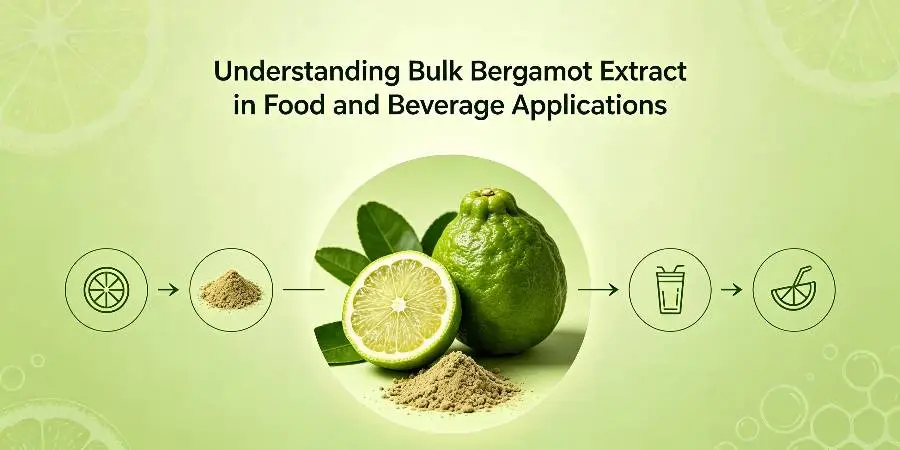
Procurement Best Practices for Bulk Bergamot Extract in the Food & Beverage Industry
Optimal Dosage Ranges and Formulation Guidelines
The amount of effective integration depends on the application and the function that is being sought, and for Pure Bergamot Powder Supplier, to add flavor to drinks, amounts of Bulk Bergamot Extract between 0.15% and 0.5% give off recognizable citrus notes without overpowering other flavors, and when trying to get functional health benefits, like helping the heart by managing cholesterol, doses go up to 0.8% to 1.5%, which is the same range of levels used in published clinical research on bergamot polyphenol fractions. To add flavor to drinks, amounts of Bulk Bergamot Extract between 0.15% and 0.5% give off recognizable citrus notes without overpowering other flavors. When trying to get functional health benefits, like helping the heart by managing cholesterol, doses go up to 0.8% to 1.5%, which is the same range of levels used in published clinical research on bergamot polyphenol fractions.
Before starting full-scale production, formulators should test the stability of their products on a bench in a variety of pH ranges, processing temperatures, and storage conditions. It is important to pay close attention to how well the polyphenolic compounds work with other functional ingredients. They may bind to certain minerals or interact with proteins, which could change their bioavailability and physical stability. Sequencing addition during manufacturing—usually adding the Bulk Bergamot Extract after the beverage has been heated—keeps the most bioactivity and taste purity.
Regulatory Compliance and Labeling Considerations
When used in amounts that are safe for humans, Bulk Bergamot Extract usually gets GRAS self-affirmation status. However, the exact regulatory routes depend on the product category and the state. Novel Food regulations must be followed in European markets if claims or levels of use go beyond normal food applications. A full test for allergens shows that there are no priority allergens, but citrus sensitivity is still something that should be taken into account when writing consumer warning statements.
Labels on finished goods should accurately show where the ingredients come from and how they are standardized. Labels that say things like "Bergamot Fruit Extract (standardized to 38% polyphenols)" are clear, which is something that educated customers like, and they also meet government standards for true labeling. When brands make structure-function claims about antioxidant content or heart health, they need to make sure that their particular product formulation has been checked through the right channels of evidence and follows the rules set by the FDA or another relevant body.
Streamlining the Ordering and Logistics Process
Minimum order quantities are usually between 25 and 100 kilograms, but can be higher or lower depending on the supplier's size and the needs for customization. In order to get good terms, sellers often need to agree to yearly volume predictions that help them buy the right materials and plan their production schedules. Payment terms usually follow foreign trade rules. For new orders, letters of credit are used, and then net terms are used as the business relationship grows.
Requests for samples should include details about the intended use and target specifications so that suppliers can suggest the right grades. Not only do comprehensive examples include small amounts for testing on a bench, but they also include scientific data sheets, safety data sheets, and certificates of analysis that are representative of the whole. Shipping plans need careful attention to the integrity of the package. Multi-layer laminated bags with nitrogen flushing stop moisture absorption and oxidative degradation while in transit. To keep the powder flowing and stop it from caking, which slows down production, it needs to be stored in a climate-controlled warehouse with temperatures below 25°C and relative humidity below 60%.
Conclusion
Bulk Bergamot Extract is a smart ingredient choice for food and drink makers who want to stand out with a clean label, a useful health positioning, or great taste profiles. The extract's standardized polyphenol content, natural ability to keep things fresh, and improved processing qualities solve key formulation problems and meet customer standards for plant-based ingredients that they can recognize. For success, choose suppliers with quality systems that can be checked, full traceability, and technical support for customization. For procurement to be done well, there needs to be careful writing of specifications, careful evaluation of suppliers, and strategic relationship management that goes beyond simple buying to include partnerships for collaborative innovation.
FAQ
What distinguishes bergamot extract from bergamot essential oil in functional applications?
Bulk Bergamot Extract is made by extracting the peel with water and ethanol to get polyphenolic chemicals that are known to be good for your health. Essential oil is made by cold pressing the peel to get aromatic terpenes. The extract has a standard amount of flavonoids that can be used in functional foods and has measured bioactivity, while essential oil is mostly used for flavoring and scenting. The furanocoumarin is taken out of the extract to get rid of any phototoxicity concerns. This means that it is safe to be exposed to sunlight after consumption. Essential oil contains bergapten and other chemicals that can make you sensitive to light. Because of this, it can't be used in some makeup and food uses that need to be safe.
How does bergamot extract contribute to natural preservation in beverages?
The polyphenolic chemicals in Bulk Bergamot Extract kill microbes in a number of ways, such as by disrupting cell membranes and messing with the metabolism of bacteria that cause spoilage. At levels between 0.5% and 1.2%, research shows that it works against common contaminants in beverages, such as some yeast strains and mold species. The preservation effect works well with pH control and cooling, so brands can use fewer manufactured preservatives while still getting the same shelf life. This method of natural preservation supports the "clean label" stance that health-conscious customers in developed markets are asking for more and more.
Are there allergenic or regulatory concerns specific to bulk bergamot extract usage?
Even though citrus allergies are still pretty rare, they should be taken care of by putting the right warnings on products. Priority allergens, as defined by FALCPA and EU rules, are not found in large amounts in Bulk Bergamot Extract. Regulatory status varies by market, but when used at normal levels, the ingredient is usually considered a food ingredient in most places. When brands make specific health claims about heart health, they need to make sure that the proof they use is in line with local advertising rules and, if necessary, dietary supplement rules.
Partner with a Trusted Bulk Bergamot Extract Supplier
Wellgreen Technology makes high-quality Bulk Bergamot Extract powder that is standardized to different polyphenol ratios. They work with recipe teams in the functional beverage, nutraceutical, and specialty food industries. Our GMP-certified factories are located in climate-controlled areas that make sure the bioactive profiles are always the same. We also have our own technologies for debittering and anti-caking that solve common processing problems that hurt product performance. We keep a lot of quality records, which go beyond the standards set by the international pharmaceutical community. These records include full pesticide residue screening, heavy metal analysis, and microbial safety testing.
From the first bench tests to industrial scale-up, our scientific team helps with formulation and the successful integration of ingredients. Different application needs can be met by having flexible minimum order quantities and the ability to customize, such as by specifying bergapten-free materials and optimizing particle size. See how committed we are to excellence and openness in the supply chain.
Please email our ingredient experts at wgt@allwellcn.com for full product details, prices that are matched to your specific needs, and free samples. You can look at our full line of plant extracts at wellgreenherb.com and find out why top brands trust Wellgreen as their Bulk Bergamot Extract maker.
References
1. Mollace, V., Sacco, I., Janda, E., Malara, C., Ventrice, D., Colica, C., ... & Muscoli, C. (2011). Hypolipemic and hypoglycaemic activity of bergamot polyphenols: From animal models to human studies. Fitoterapia, 82(3), 309-316.
2. Gattuso, G., Barreca, D., Gargiulli, C., Leuzzi, U., & Caristi, C. (2007). Flavonoid composition of Citrus juices. Molecules, 12(8), 1641-1673.
3. Navarra, M., Mannucci, C., Delbò, M., & Calapai, G. (2015). Citrus bergamia essential oil: from basic research to clinical application. Frontiers in Pharmacology, 6, 36.
4. Tundis, R., Loizzo, M. R., Bonesi, M., Menichini, F., & Mastellone, V. (2012). Potential role of natural compounds against skin aging. Current Medicinal Chemistry, 19(30), 5219-5245.
5. Walker, R., Janda, E., & Mollace, V. (2017). The use of bergamot-derived extract in metabolic syndrome. Mini Reviews in Medicinal Chemistry, 17(3), 222-229.
6. Dugo, P., Presti, M. L., Ohman, M., Fazio, A., Dugo, G., & Mondello, L. (2005). Determination of flavonoids in citrus juices by micro-HPLC-ESI/MS. Journal of Separation Science, 28(11), 1149-1156.