
How Cordyceps Militaris Powder Supports Innovation in Functional Beverage and Sports Nutrition Formulations
2026-09-17 18:08:20
Cordyceps Militaris Powder has moved out of the novelty aisle and into the formulation brief. For R&D and procurement teams working on functional beverages, stick packs and sports nutrition blends, the question is no longer whether the ingredient belongs in the concept. It is which specification will survive the process, the packaging and the label review.
That question is answered with process data, not marketing copy: fruiting body powder and hot-water extracts behave differently in water, carry different sensory loads and need different assay documentation. This guide covers the decisions that decide whether a project scales to a commercial batch. For the wider ingredient background, start with our overview of Cordyceps militaris powder and return here for process-level detail.
What Makes Cordyceps Militaris Powder a Distinct Ingredient for Formulators?
A bioactive profile that can be measured
The commercial case for Cordyceps militaris rests on a few marker compounds that laboratories can quantify. Cordycepin (3'-deoxyadenosine), a nucleoside analogue, and adenosine are the most closely tracked nucleosides; polysaccharides, including beta-glucans, form the second group. Reviews of the genus describe this chemistry in detail (Yue et al., 2013), and HPLC-MS/MS methods exist for identifying chemical markers in Cordyceps material (Hu et al., 2015).
For a formulator, the operative word is quantifiable: a purchase order can carry a marker target, a test method and an acceptance range instead of a marketing adjective. That is the difference between a commodity and a documented raw material.
Method choice matters as much as the number. Cordycepin is typically reported from an HPLC assay, while beta-glucan content depends on the chemistry used to detect it: a validated Congo red assay is not directly comparable with a general UV-VIS polysaccharide result (Xia et al., 2025). Two certificates of analysis can therefore quote different percentages for comparable material without either being wrong.
Why cultivated fruiting body material is easier to standardise
Almost all commercial C. militaris is cultivated indoors on a defined substrate rather than collected from the wild: cultivation holds the strain constant, puts the growth window on a schedule and keeps the material inside a documented process.
Two variables still move the marker profile, and both belong on the specification. The first is the part of the organism: mycelium and fruiting body carry different chemical profiles, as shown in a direct comparison of C. militaris material (Prommaban et al., 2022). The second is the substrate, which measurably influences yield and biometabolite production in cultivated C. militaris (Kour et al., 2025). Naming both removes the ambiguity at the sample stage, not at the finished-product stage.
Formulation Innovations Across Beverages and Sports Nutrition
Adding a powder to a formula is straightforward; making it behave the same way in every serving is not.
Solubility, dispersibility and sedimentation
Whole fruiting body powder is a milled plant matrix, not a soluble ingredient: its fibre and polysaccharide fraction hydrates but does not dissolve, so a still, clear liquid ends up with a suspension and, given time, a sediment layer. That is a formulation constraint, not a defect.
- Clear, ready-to-drink formats: a clarified hot-water extract is the practical choice; it disperses without the sediment a milled fruiting body powder leaves behind.
- Cloudy or opaque formats: protein shakes, cocoa blends, smoothie bases and stick packs can carry whole powder, where suspension is expected.
- Suspension aids: where whole powder must go into a liquid, high-shear hydration plus a stabiliser such as xanthan or gellan keeps it suspended.
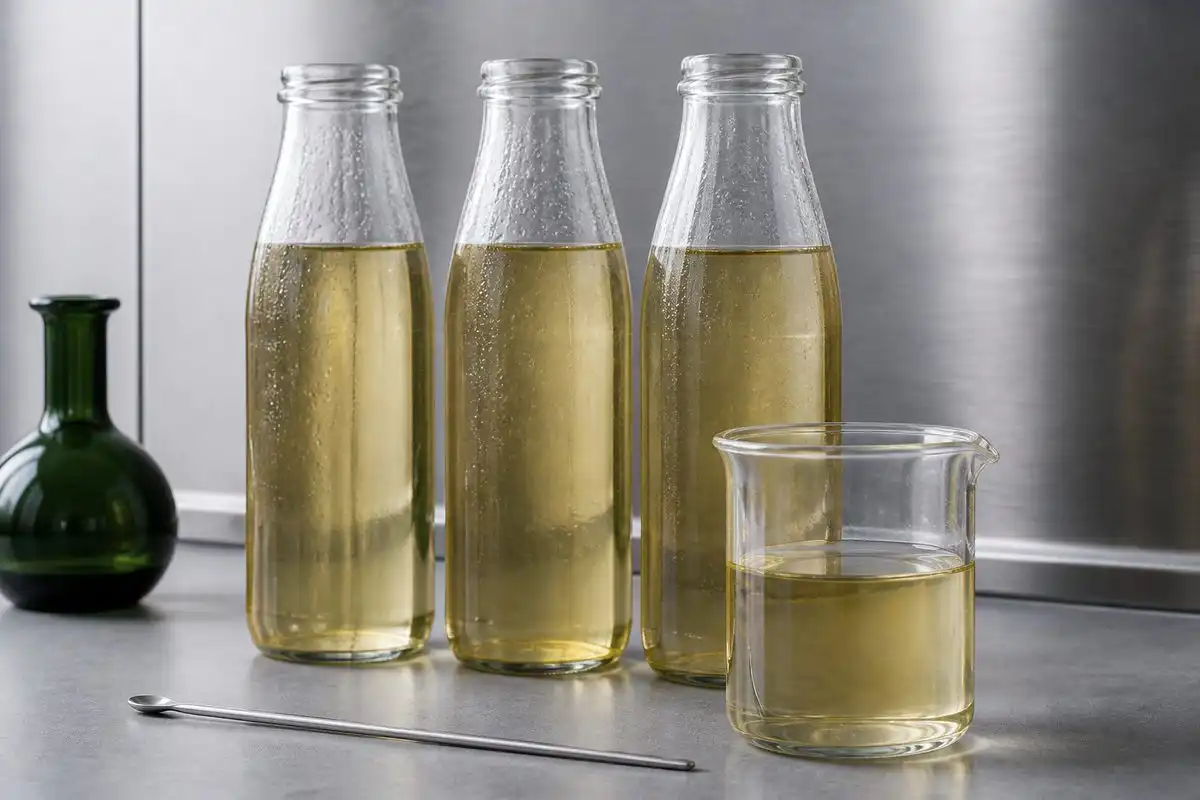

Test dispersion in the finished base, not in water alone: protein, sugar solids and acid level all change how a powder wets out.
Whole powder or 10:1 extract: matching the specification to the format
The “10:1” figure is a ratio, not a guarantee: 10 kg of raw material was extracted to yield 1 kg of extract. Whether that concentrate suits a product depends on the delivery system. Table 1 sets out the process differences; Table 2 lists the parameters a food-grade fruiting body powder specification typically defines, using the values published on Wellgreen’s Cordyceps Militaris Powder page as a worked example.
Table 1. Process-relevant differences between whole fruiting body powder and a 10:1 hot-water extract
| Parameter | Whole fruiting body powder | 10:1 hot-water extract |
|---|---|---|
| Matrix | Milled dried fruiting body; retains the insoluble fibre fraction | Water-soluble fraction of the raw material, concentrated at a 10:1 input-to-output ratio |
| Behaviour in water | Hydrates and suspends; settles in still, clear liquids | Disperses readily; suited to clear and translucent systems |
| Best-fit formats | Capsules, opaque blends, cocoa and coffee systems, sachets | Clear ready-to-drink beverages, transparent gels, precise-dose formats |
| Sensory contribution | Umami, savoury and earthy notes; carries the natural orange-brown colour | Lower colour and flavour load when matched for marker content |
| Marker focus | Marker levels reflect the whole material | Concentrated marker fraction; the ratio must be stated on the COA |
| Moisture and caking | Moisture-sensitive; needs sealed, moisture-barrier packaging and humidity control | Also moisture-sensitive, with a greater tendency to pick up water at low inclusion rates |
| First question to the supplier | Is the material fruiting body or myceliated grain? | Which solvent and which extraction ratio were used? |
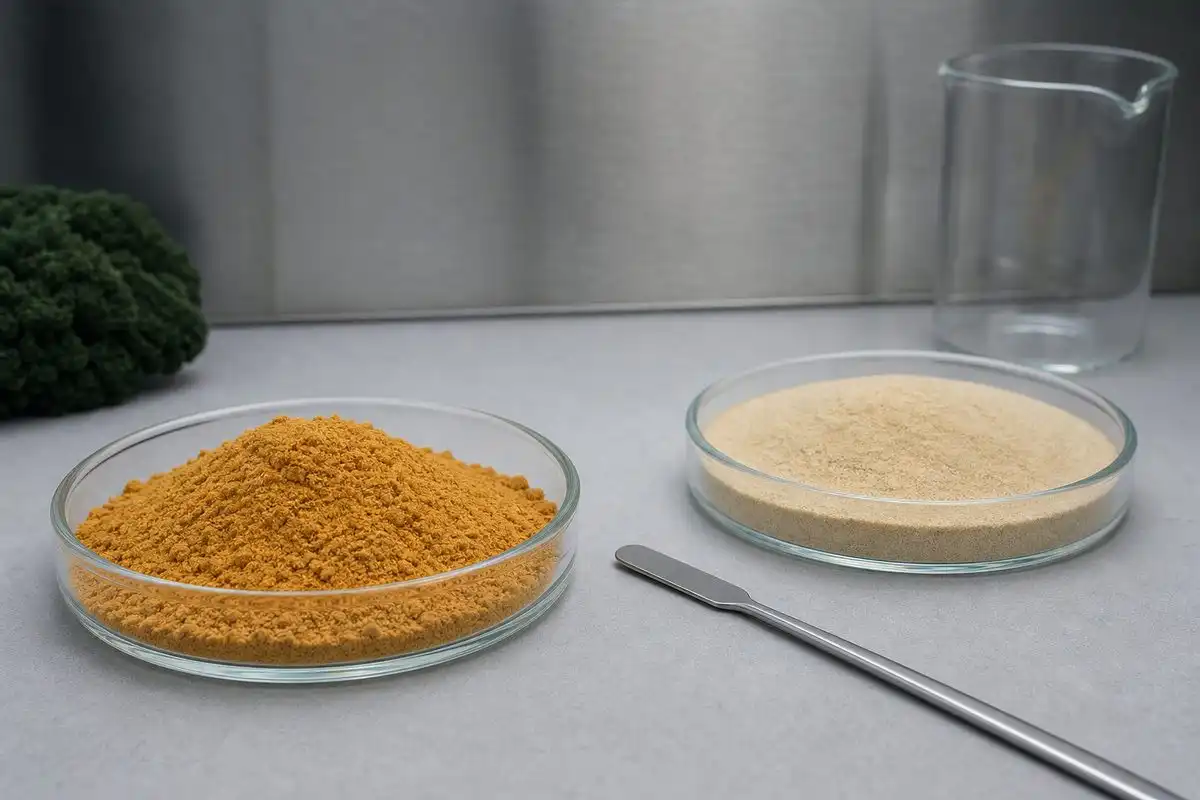
Table 2. Specification parameters for a food-grade Cordyceps militaris fruiting body powder (values as published on the Wellgreen product page COA)
| Parameter | Specification | Result / method as published |
|---|---|---|
| Appearance | Brown-yellow powder | Visual |
| Particle size | ≥95% pass through 80 mesh | Visual |
| Flavour | Typical of cordyceps mushroom, no off flavour | Sensorial |
| Moisture | <6.0% | 3.02% (GB 5009.3) |
| Total ash | <5.0% | 3.00% (GB 5009.4) |
| Arsenic | <1.0 mg/kg | ICP-MS |
| Lead | <1.0 mg/kg | ICP-MS |
| Mercury | <0.1 mg/kg | AAS |
| Cadmium | <1.0 mg/kg | ICP-MS |
| Pesticides | <LOQ (Eurofins 539-item panel) | GC-HPLC |
| Total plate count | ≤10,000 cfu/g | GB 4789.2 |
| Yeast & mould | ≤100 cfu/g | <100 cfu/g |
| Coliforms | Negative | Negative |
| Salmonella / Staphylococcus / E. coli | Negative | Negative per 25 g or per g |
| Test method | HPLC | HPLC |
| Shelf life & storage | 24 months, cool and dry place | Aluminium foil bag or drum |
Flavour, colour and masking strategies
Fruiting body powder brings a distinctly savoury, umami-forward character and a brown-yellow colour that will show in any light-coloured vehicle. Three approaches are used in practice:
- Pair the note: cacao, coffee, ginger, citrus and vanilla all sit comfortably with umami and are already standard in the categories where whole powder fits.
- Choose the lighter specification: a hot-water extract carries less colour and flavour for the same marker content, often the decisive factor in clear beverages.
- Engineer around it: microencapsulation or an emulsion-based system separates the ingredient from the continuous phase, addressing taste and dispersion in one step (Tan et al., 2025).
Colour matching deserves early attention: prototypes should be tinted and stability-tested at the target inclusion rate, not assessed in a clear base. In beverages, sensory load sets the inclusion ceiling.
Procurement Decision-Making: Choosing the Right Specification
Supplier evaluation comes down to documents and process control: these checkpoints decide whether a material passes an internal quality gate.
- Assay transparency. An HPLC-verified cordycepin figure and a beta-glucan or polysaccharide figure that names its method; a potency number without one is not a specification.
- Identity and part of the organism. Confirm the species and whether the material is fruiting body or myceliated grain: DNA-based methods exist for discriminating authentic Cordyceps from adulterant species (Moon et al., 2018), and grain-substrate carry-over dilutes marker content per gram.
- Contaminant data. A batch-specific heavy metal panel (arsenic, lead, mercury, cadmium), a pesticide screen and a microbiological panel covering total plate count, yeast and mould and specified pathogens; element levels in commercial mushroom supplements have been surveyed (Stilinović et al., 2014).
- Batch-to-batch consistency. Colour, moisture, particle size and marker content should stay inside stated ranges from lot to lot; a drifting mesh figure signals variable raw material or unstable drying.
- Starch and filler screening. Where material is sold as whole powder, ask for a fibre or starch assay alongside the marker result: residue and added starch add weight without adding markers.
Table 3. Document set to request before a first production order
| Document | What it should contain | Why it matters at the bench |
|---|---|---|
| Batch certificate of analysis | Marker assays with named methods, moisture, ash, heavy metals, pesticides, microbiological results | Confirms the lot actually shipped, not a sample presented earlier |
| Plant identity statement | Species and part of organism (fruiting body or mycelium) | Defines the matrix the formulator is working with |
| Authentication record | DNA- or voucher-based species verification where available | Guards against substituted or adulterated material |
| Substrate and extraction declaration | Cultivation substrate; solvent and ratio for extracts | Explains marker content per gram and guides label wording |
| Allergen and gluten statement | Declared allergens, gluten status, cross-contact controls | Required where allergen or gluten-free labelling is planned |
| Storage and shelf-life statement | Packaging format, storage conditions, retest or expiry period | Sets incoming-goods and stability protocol assumptions |
| Customisation terms | Mesh range, ratio options, packing, MOQ | Determines whether the specification can match the format |
Practical Handling Guidelines for B2B Formulators
Blend uniformity and process control
Marker levels are quoted in percent and inclusion rates are typically low relative to the rest of the formula, so the main risk is not the ingredient but segregation. Three process controls reduce it:
- Match particle size across the blend. An extract powder much finer than the co-ingredients will migrate during mixing and filling; ask for a mesh range and check it against your other powders.
- Pre-blend through a carrier. At low inclusion rates, a diluted pre-blend distributes more evenly than adding material to the main mix.
- Control the room. Humidity drives caking, and caking changes flow and dispersion; hold blending and filling areas within a defined humidity band and keep drums sealed between runs.
Where a product is dosed by volume — scoops or sachets — verify uniformity by assaying the marker across filled units, not the bulk blend: bulk uniformity does not transfer automatically to the filled container.
Storage, stability and shelf life
The specification’s handling instruction is specific: keep the material cool and dry, away from moisture, light and heat, with a 24-month shelf life and moisture below 6.0% (Table 2). That means opaque or light-protected packaging, a moisture barrier, and resealing after each opening.
Thermal exposure deserves the same attention as formulation design: work on Cordyceps sinensis biomass found that the freezing method used during handling measurably affected hyphal structure retention and metabolic degradation (Huang et al., 2025).
Labelling and claim boundaries in the US market
In the United States, a Cordyceps militaris ingredient for a supplement is normally positioned as a dietary ingredient under the Dietary Supplement Health and Education Act (DSHEA). Two boundaries matter to label review:
- Structure/function claims may describe the role of a dietary ingredient in affecting the normal structure or function of the body. They are not pre-approved: the marketer must hold substantiation that the claim is truthful and not misleading, must notify FDA within 30 days of marketing, and must carry a disclaimer that FDA has not evaluated the claim and that the product is not intended to diagnose, treat, cure or prevent any disease (FDA, Structure/Function Claims).
- Disease claims may only be made for drugs; conventional foods follow a different notification route, and new dietary ingredient obligations can apply to ingredients not marketed in the United States before DSHEA.
Other markets add their own gates: novel food status, permitted claim wording and maximum levels differ by jurisdiction, so regulatory work should begin with the target market rather than the ingredient’s origin.
Conclusion
Cordyceps Militaris Powder is an ingredient whose commercial value is decided by specification rather than by story. The format question comes first: whole fruiting body powder for capsules, opaque blends and coffee systems; a stated hot-water extract for clear beverages and precise-dose formats. From there, four documents do most of the work: a specification with a marker target and named test method, a plant identity statement, a batch COA with contaminant and microbiological data, and a storage and shelf-life statement.
Get those right, and the rest is ordinary engineering.
FAQ
What is the difference between whole Cordyceps mushroom powder and a 10:1 extract?
Whole powder is the milled fruiting body, which keeps the full fibre matrix. A 10:1 extract is concentrated: 10 kg of raw material yields roughly 1 kg of extract, so each gram carries more marker compounds. Extracts suit clear drinks; whole powder suits capsules and opaque blends.
Is Cordyceps Militaris Powder suitable for vegan products?
Cultivated on a plant-based substrate, the material involves no animal-derived inputs, so it can be included in products labelled vegan. Confirm this in writing, since the vegan claim remains the brand’s responsibility.
How should the powder be stored to protect marker stability?
Keep it cool and dry, away from light, heat and moisture, in opaque, moisture-barrier packaging resealed after each opening. The specification sets moisture below 6.0% and a 24-month shelf life.
Can this ingredient be used in both functional beverages and capsule supplements?
Yes, with different specifications. Capsules and powder blends take whole powder well; clear beverages are better served by a hot-water extract. Match the specification and mesh range to the delivery system.
What certifications and documents should a supplier provide?
The certification set published on Wellgreen’s Cordyceps product page is EOS Organic, NOP Organic, ISO 9001:2015, ISO 22000, HACCP, Halal and Kosher. Certificates are half the picture: the document set in Table 3 matters just as much.
Partner with Wellgreen for Reliable Cordyceps Militaris Powder Supply
Wellgreen supplies Cordyceps Militaris Powder for functional beverage and sports nutrition programmes in whole fruiting body powder and 10:1 extract specifications. The parameters published on our product page include food-grade material, HPLC testing, at least 95% passing 80 mesh, moisture below 6.0%, a 24-month shelf life, and certification to ISO 9001:2015, ISO 22000, HACCP, Halal, Kosher, EOS Organic and NOP Organic. Batch COA documentation is available on request, and particle size, extract ratio and packing can be tailored for OEM and ODM projects.
To request a sample, a specification sheet or technical documentation, contact the sourcing team at wgt@allwellcn.com, or review the organic Cordyceps mushroom powder product page and our complete product range.
Disclaimer: this article is technical and commercial information for industry professionals involved in ingredient selection and product development. It is not medical advice. Formulation use levels, regulatory status and label claims must be confirmed against the requirements of each target market and against the user’s own product data.
References
1. Yue, K., Ye, M., Zhou, Z., Sun, W., & Lin, X. — The genus Cordyceps: a chemical and pharmacological review — Journal of Pharmacy and Pharmacology, 2013; 65(4): 474–493. doi:10.1111/j.2042-7158.2012.01601.x (PMID 23488776)
2. Hu, H., Xiao, L., Zheng, B., Wei, X., Ellis, A., & Liu, Y. M. — Identification of chemical markers in Cordyceps sinensis by HPLC-MS/MS — Analytical and Bioanalytical Chemistry, 2015; 407(26): 8059–8066. doi:10.1007/s00216-015-8978-6 (PMID 26302964)
3. Xia, H., Zhang, R., Yin, Y., et al. — Quantitative detection of β-glucans in Cordyceps species using a validated Congo red assay — Scientific Reports, 2025; 15: 9938. doi:10.1038/s41598-025-94217-5 (PMID 40121299)
4. Prommaban, A., Sriyab, S., Marsup, P., et al. — Comparison of chemical profiles, antioxidation, inhibition of skin extracellular matrix degradation, and anti-tyrosinase activity between mycelium and fruiting body of Cordyceps militaris and Isaria tenuipes — Pharmaceutical Biology, 2022; 60(1): 225–234. doi:10.1080/13880209.2021.2025255 (PMID 35068295)
5. Kour, P., Gupta, M., Gupta, S., et al. — Substrate influence on yield and biometabolite production in the caterpillar medicinal mushroom Cordyceps militaris (Ascomycetes) — International Journal of Medicinal Mushrooms, 2025; 27(5): 53–62. doi:10.1615/IntJMedMushrooms.2025057939 (PMID 40094340)
6. Moon, B. C., Kim, W. J., Park, I., Sung, G. H., & Noh, P. — Establishment of a PCR assay for the detection and discrimination of authentic Cordyceps and adulterant species in food and herbal medicines — Molecules, 2018; 23(8): 1932. doi:10.3390/molecules23081932 (PMID 30072640)
7. Stilinović, N., Škrbić, B., Živančev, J., et al. — The level of elements and antioxidant activity of commercial dietary supplement formulations based on edible mushrooms — Food & Function, 2014; 5(12): 3170–3178. doi:10.1039/c4fo00703d (PMID 25294630)
8. Tan, N. T., Vuong, P. M., Dao, N. Q., et al. — Novel double nanoemulsion loading of Cordyceps militaris extract: formulation, stability, in vitro digestion, and in vivo evaluation — Food & Function, 2025; 16(23): 9080–9101. doi:10.1039/d5fo03188e (PMID 41190423)
9. Huang, T., Xiong, X., Gao, S., et al. — Enhancing Cordyceps sinensis shelf life: the role of liquid nitrogen spray freezing in maintaining hypha structure and reducing metabolic degradation — Food Chemistry, 2025; 473: 142982. doi:10.1016/j.foodchem.2025.142982 (PMID 39855073)
10. U.S. Food and Drug Administration — Structure/Function Claims — accessed September 2026 (fda.gov)