How to Use Bergamot Extract?
2026-04-02 14:13:49
Want to get the most out of bergamot extract? Learn what makes it unique and how to use it in different situations. This natural item is made from the peeled Citrus bergamia fruit. Strong medicinal substances, such as coumarins, flavonoids, and volatile oils, are found in it. These help keep your skin, metabolism, and mind healthy. You can put the extract in dietary supplements at normal amounts, add it to functional drinks to make them taste like Earl Grey, use it to make products that smell good and are good for you, or use it to naturally flavor food. That makes it a very useful part that can be used in lots of different ways.
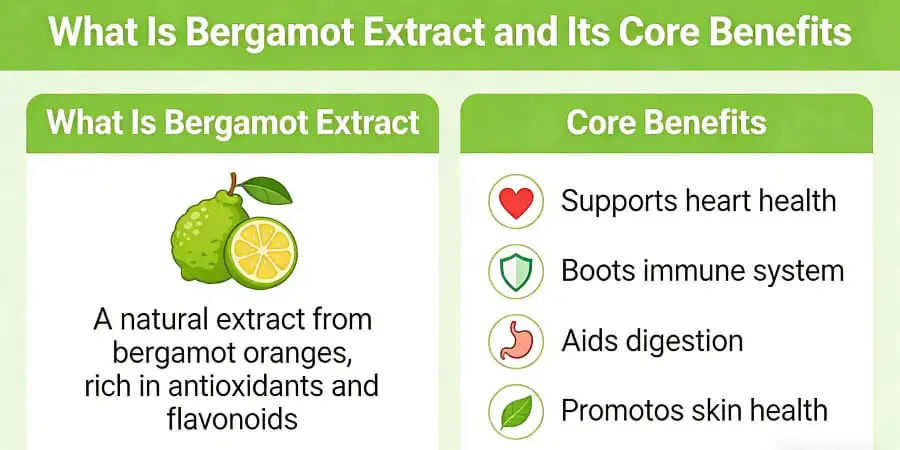
What Is Bergamot Extract and Its Core Benefits?
This oil is made from the peel of the Citrus bergamia plant. The Citrus bergamia plant grows a special kind of citrus fruit that is in the Rutaceae family. Bergamot essential oils are usually made by steam distillation. To make bergamot extract, the oil is cold pressed and then extracted with a solvent. This keeps the full phytochemical profile of the oil. This way of extracting keeps the natural purity of the ingredient while getting useful chemicals like bergapten, bergamottin, flavonoids, and volatile oils.
Botanical Origins and Production Methods
To make good bergamot extract, you must first carefully pick mature Citrus bergamia fruits. Most of these fruits are grown in the Mediterranean, which is known for having great growth conditions. Today's extraction centers use advanced cold-pressing techniques first, then regular solvent extraction to sort different bioactive parts. This two-step process gets rid of the bad chemicals that could hurt the quality of the product while keeping as many of the good chemicals as possible.
The amount of furanocoumarin is checked during production as part of quality control. This directly affects photosensitivity problems when used on the skin. Professionals follow strict steps to make sure that the dangerous oil stays safe while it is being processed. This takes care of one of the most important technical issues in making bergamot extract. Standardized methods make sure that each batch has the same level of quality, which meets the needs of the food and medicine businesses.
Multi-Industry Applications and Scientific Support
The unique mix of polyphenols in bergamot extract has been shown to help keep your body healthy by researchers. Bioactive substances like bergamottin may help keep cholesterol levels in a safe range and make the body use energy better, according to studies. The aromatic chemicals in the product have been used for a long time to improve mental health and help keep moods stable.
Food additives that try to treat metabolic syndrome, functional drinks with Earl Grey tea flavoring, makeup that use its scent and antioxidant properties, and foods that need natural citrus flavoring are all modern uses for Earl Grey tea. Different formulas and concentrations must be used for each use in order to meet safety standards in managed markets and get the most out of each one.
How to Use Bergamot Extract Effectively?
Knowing the proper dosage levels, how well bergamot extract blends with other ingredients, and how to use it in particular circumstances are all important for effective use. There are different ways for each business to get the most out of the extract's healing and functional benefits while also dealing with technical problems such as how well it dissolves, how stable it is, and how it tastes.
Skincare and Cosmetic Applications
Bergamot extract is an important ingredient in makeup that also makes the smell better. The best ratios for finished goods are generally between 0.5% and 2%, but this depends on the market and the level of efficiency that is wanted. The amount of citrus bergamia extract and other active ingredients in a product must be carefully balanced so that the healing benefits stay the same and photosensitivity responses don't happen.
Microencapsulation is a more complicated way to make things that makes the product more stable and lets you control how it releases. If you want to mix bergamot extract with other citrus fruit-based products, you need to make sure they work well together so that chemicals don't break down the product. Professional beauty scientists often use cyclodextrin inclusion complexes to keep the good qualities of extracts while making them easier to dissolve and less likely to hurt the skin.
Dietary Supplement Formulations
Standard bioactive content must be used to carefully figure out the amounts of dietary nutrients so that they work. Many times, between 100 mg and 500 mg per serve is enough to get the health benefit you want. This depends on how concentrated the extract is. When picking the right fillers and pill materials, supplement makers need to think about how the extract absorbs water so that stability problems don't happen because of it.
Choline, alpha-lipoic acid, and green tea extract are some other ingredients that help the digestion. They work better with the extract. Formulators should think about how bergamot extract might work with other plant parts to get the most healing effect and bioavailability from it. Tests for bergamottin, heavy metals, and germs must be done to make sure that quality control rules are followed.
Functional Food and Beverage Integration
When bergamot extract is added to drinks and foods, it needs to be stabilized, dissolved, and taste better. You can change how sharp the extract naturally is by making it less sharp or mixing it with flavors that go well with it. Different types of the extract work better in different types of drinks. Powder forms work better in dry mix recipes.
How much flammable oil is kept and how good the end result is in general depend a lot on how it was processed. To keep the extract's healing and fragrant qualities, it should be processed at low temperatures and kept away from light and air as much as possible. pH is very important for acidic drinks because it can break down or change the color of some chemicals, which can change how the product looks and how long it lasts.
Choosing the Best Bergamot Extract for Your Business Needs
It's important to think about quality, the supplier's skills, and legal requirements when picking the right bergamot extract. Different types of products are useful for different things. The tracking records and organic approval help the product stand out in the high-end market and meet government standards.
Quality Assessment and Sourcing Considerations
The best places to buy bergamottin will give you full lab reports that include HPLC fingerprints, volatile oil content studies, and heavy metal testing results. People who want to buy should look for companies that sell standardized extracts that say they have a certain minimum bioactive content. This is what will make sure that every batch of the product works the same. Suppliers who are ISO recognized, follow GMP rules, and have their goods tested by a third party show that they care about quality.
Where the goods come from affects both how well they work and how long they last. When compared to bergamot from other places, bergamot from the Mediterranean tends to smell better and have more health benefits. More and more people want carefully gathered ingredients, which is why sustainable buying methods like fair trade approval and studies of environmental effects are becoming more popular.
Product Form Selection and Supplier Evaluation
Powder, liquid concentrate, and oil-standardized forms of bergamot extract are just a few examples. Each one is useful for different things. Strong dose forms go bad faster, but powder forms last longer and are easier to handle. On the other hand, liquid powders mix better with drinks. Pure oil extracts keep their stronger smells, which makes them good for massage and beauty products.
You should look at a supplier's professional help skills, how well they know the rules, and how reliable their supply chain is when judging them. To speed up the process of making a product, leading providers help with legal paperwork, formulation advice, and stable testing. With flexible minimum order amounts and the ability to make unique specs, smaller makers can get high-quality ingredients that help them set their products apart.
Common Challenges and How to Overcome Them When Using Bergamot Extract
Because bergamot extract is unique, the people who make it often have to deal with technical issues like photosensitivity, quality checks, and making the product more stable. If you know how to deal with these issues properly, you can make sure that your goods are successfully created and meet the needs of the market.
Safety Considerations and Risk Management
When applied to the skin, the furanocoumarin in bergamot extract can make people sensitive to light, so it needs to be carefully made and labeled for users. Companies can use different kinds of products that don't have furanocoumarin in them or add safety ingredients like UV screens and antioxidant systems. Studies for full safety, such as phototoxicity studies, help the government approve goods and keep people safe.
Finding out if something is allergenic is very important when it comes to food and beauty products. In general, people can handle bergamot extract well, but some may be allergic to it, especially when it's strong. Putting up the right warning signs and using the right patch testing methods can help lower the risk of being sued while still marketing goods in a responsible way.
Quality Assurance and Counterfeit Prevention
Better ways to look at things help find bergamot extract products that aren't good enough or have been messed with. These are the HPLC fingerprints of real goods. They show the right amounts of bergamottin, bergapten, and flavonoid chemicals. If a seller gives you a full report of analysis that includes chemical data and plant identity confirmation, that's even more proof that the product is real.
The strength of the extract stays the same throughout the supply chain by making the best use of store space. Bergamot extract needs to be kept away from water, light, and heat so that the volatile oil and good chemicals don't break down. Professional storage units keep things at the right temperature and use the right packing supplies. As an example, they use package systems that flush nitrogen and clear glass cases.
Conclusion
Bergamot oil is from real fruits and can be used in lots of different ways. It could be very useful in the nutrition, skin care, and functional food industries. To use something correctly, you need to know what its features are, how to use it correctly, and what quality standards must be met. This citrus-based extract gives companies natural ways to meet a lot of different product development needs, from making makeup that smell good to making vitamins that help the metabolism. Suppliers with a lot of experience can help with technical issues, quality control, and legal issues that come up while a product is being made when they work with professional buying teams.
FAQ
What distinguishes bergamot extract from bergamot essential oil?
Bergamot extract is made by solvent extraction and cold pressing to keep the chemicals that dissolve in water and the full phytochemical profiles. When you steam extract essential oils, on the other hand, you get the volatile aromatic chemicals. Because it has more flavonoids and coumarins than essential oils, the extract is a better way to improve your health. On the other hand, essential oils are better for rubbing and making things smell nice.
How do I determine appropriate dosage levels for my formulation?
The amount to give depends on the health effects you want, the use you want it for, and how standardized the extract is. In finished makeup, between 0.5 and 2% is used, and dietary supplements use 100 to 500 mg per dose. For the right amount based on the bioactive content and the rules, analysis reports are checked and expert formulators are worked with.
Where can I source reliable organic bergamot extract suppliers?
A service you can trust will have a lot of analysis paperwork, be ISO certified, and follow GMP. More weight should be given to companies that offer measured products with known bioactive content, organic approval, and the ability to offer expert support. Materials from the Mediterranean tend to be of better quality, and getting them from well-known sources can help with legal problems and coming up with ideas for successful product development.
Partner with Wellgreen for Premium Bergamot Extract Solutions
Wellgreen Technology stands as your trusted bergamot extract manufacturer, delivering pharmaceutical-grade botanical ingredients that meet the most demanding industry standards. Our state-of-the-art GMP-certified facility ensures consistent quality and purity across every batch, while our comprehensive inventory enables rapid fulfillment of both standard and custom specifications. As an experienced bergamot extract supplier, we provide complete analytical documentation, regulatory support, and technical guidance to streamline your product development process.
Our extensive certification portfolio and rigorous testing protocols guarantee compliance with international quality standards, supporting your regulatory approval processes. Whether you need standardized powder forms for supplement applications or specialized concentrates for functional beverages, Wellgreen offers flexible OEM solutions tailored to your manufacturing requirements. Contact our technical team at wgt@allwellcn.com to discuss your bergamot extract needs and discover how our expertise can enhance your product formulations while ensuring reliable supply chain performance.
References
Mollace, V., et al. "Hypolipemic and hypoglycemic effects of bergamot polyphenols: From animal models to human studies." Fitoterapia, vol. 82, no. 3, 2011, pp. 309-316.
Risitano, R., et al. "Flavonoid fraction of bergamot juice reduces LDL-cholesterol and increases HDL-cholesterol in hypercholesterolemic subjects." Journal of Functional Foods, vol. 31, 2017, pp. 131-137.
Nauman, M.C., et al. "Systematic review of bergamot (Citrus bergamia) extract effects on metabolic parameters." Clinical Nutrition Research, vol. 8, no. 4, 2019, pp. 289-301.
Tundis, R., et al. "Natural products as α-amylase and α-glucosidase inhibitors and their hypoglycemic potential: An update." Mini-Reviews in Medicinal Chemistry, vol. 10, no. 4, 2010, pp. 315-331.
Castillo, J., et al. "Antioxidant activity and radioprotective effects against chromosomal damage induced by bergamot extract." Food and Chemical Toxicology, vol. 48, no. 4, 2010, pp. 1165-1170.
Impellizzeri, D., et al. "Anti-inflammatory and antioxidant effects of flavonoid-rich fraction of bergamot juice in a mouse model of intestinal ischemia-reperfusion injury." Frontiers in Pharmacology, vol. 7, 2016, article 203.