How to Use Mulberry Leaf Extract in Functional Teas and Beverages
2026-06-30 13:36:36
To add mulberry leaf extract powder to functional drinks and teas, you need to know both how to make the mixture technically and about the biological qualities that make it appealing to customers. This plant ingredient comes from Morus alba leaves and is made by carefully extracting and ultra-fine grinding them. It contains flavonoids, polyphenols, dietary fiber, and concentrated 1-deoxynojirimycin (DNJ). Most of the time, the extract is added during the mixing process. This makes sure that the ingredients are evenly distributed and keeps the temperature stable during processing. Depending on the health claims and taste profiles, the best dose range is between 250 mg and 500 mg per serve.
Understanding Mulberry Leaf Extract Powder and Its Functional Benefits
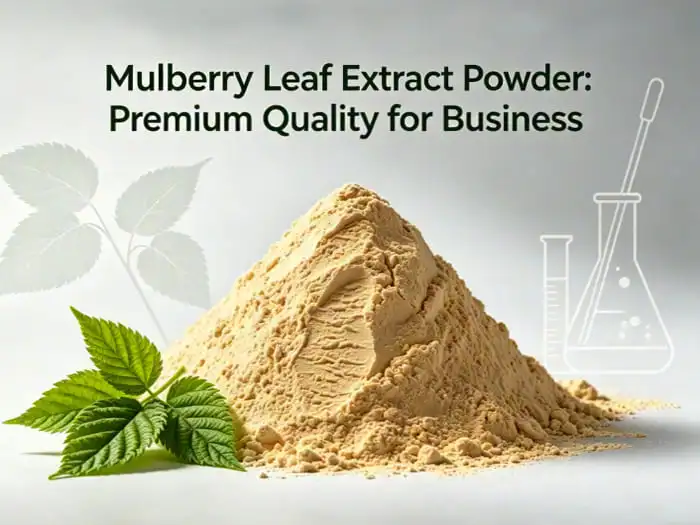
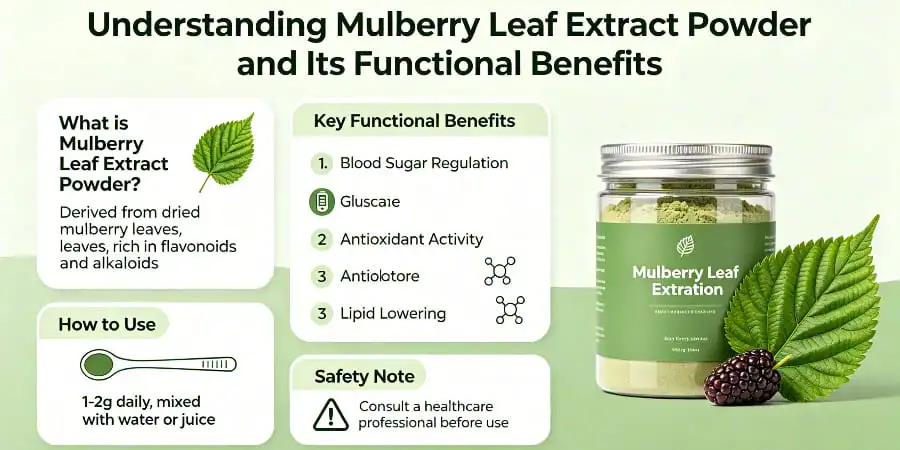
A careful process turns fresh Morus alba leaves into a concentrated useful ingredient that is mulberry leaf extract powder. The powder that is made after careful washing, controlled drying, and ultra-fine grinding still has bioactive alkaloids, especially 1-deoxynojirimycin, as well as strong flavonoid and phenolic profiles. This way of extracting phytochemicals makes sure that the composition stays the same, which is very important for B2B clients who are making goods that need to work the same way in different amounts.
Blood Sugar Management Support Through DNJ Content
The fact that this extract has DNJ makes it a valuable ingredient for digestive health products. This natural chemical competes with alpha-glucosidase enzymes in the intestines to stop them from doing their job. This slows down the breakdown of carbohydrates and the absorption of glucose. Clinical studies show that controlled DNJ amounts can help control blood sugar after a meal. This makes the extract useful for metabolically healthy functional drinks. For beverage companies looking for "clean label" options to synthetic chemicals, this plant-based mechanism is a great way to set their products apart in health-conscious markets.
Antioxidant Properties and Metabolic Health
In addition to controlling glucose, the polyphenol-rich makeup helps the metabolism work properly by acting as an antioxidant. Flavonoids in the extract can get rid of free radicals, which study links to lower oxidative stress, which is a factor in many long-term health problems. This double action helps weight control formulas because it changes the way carbs are used and protects cells. This complete approach to metabolic support appeals to people who are looking for all-around health solutions.
Dosage Guidelines and Nutritional Profiles
For ready-to-drink drinks, the usual amount is 300 mg to 600 mg per 250 ml dose. For useful shots, the higher concentrations can go up to 1000 mg. The powder usually has particles that are between 80 and 300 mesh, which changes how it dissolves in different types of liquids. Keeping the moisture content below 5% stops caking and makes sure the storage is safe. Ashes that are kept below 5% show that the processing was done correctly. Knowing these factors helps R&D teams find the right mix between effectiveness and organoleptic properties, which makes sure that both practical benefits and customer acceptance are met.
How to Use Mulberry Leaf Extract Powder in Functional Tea and Beverage Formulations?
To successfully add this plant extract, you need to pay attention to both the processing factors and the ways that the ingredients work together. When making beverages, people who make them have to think about how they dissolve, how stable they are at different temperatures, and how flavors interact with each other. This way, the quality of the drinks stays the same from production to shelf life.
Optimal Dosage and Blending Techniques
When making useful teas, the biggest technical problem is getting the ingredients to spread out evenly. The extract mixes well when mixed ahead of time with small amounts of liquid or powders that go well with it before being added in large amounts. The thermal safety of the extract makes it useful for hot-fill uses because it keeps the DNJ's structure at temperatures up to 85°C during pasteurization. For cold-brew mixes to fully extract water-soluble chemicals without the help of heat, they need to steep for longer amounts of time, usually 12 to 24 hours. Because of this, product makers can use the ingredient in a wide range of drinks, from standard steeped teas to ready-to-drink drinks that can be enjoyed at room temperature and useful shots that need to be kept cold.
Ingredient Synergies and Flavor Enhancement
Combining mulberry leaf extract powder with plants that go well with it improves both the way it smells and how it works. Green tea ingredients boost antioxidant levels and cover up the extract's natural green notes with a familiar umami flavor. Adding moringa increases the mineral content and improves digestive health by adding to the vitamin density. Citrus flavors, like lemon and yuzu, add bright acidic notes that balance out earthy tastes and make things taste better. Choosing the right sweetener is important because products that are meant to help with blood sugar usually stay away from high-glycemic choices and instead use stevia, monk fruit, or allulose to stay on the metabolic health path without affecting the taste.
Solubility and Stability Considerations for RTD Applications
When making ready-to-drink drinks, it's important to keep their physical steadiness in mind during keeping and distribution. The extract dissolves somewhat easily in water, and it works best in slightly acidic pH settings (4.5 to 6.0). Beverage makers can improve dispersibility by homogenizing or mixing at high pressure for a short time. This stops sedimentation during storage. Light-resistant packages are an important part of packaging because long-term UV exposure can break down sensitive polyphenolic substances. Accelerated stability testing shows that properly made products keep their DNJ strength above 95% of their initial concentration for 18 months at room temperature, as long as they are kept away from light and high temperatures. This gives retailers faith in distributing the products in a variety of store settings.
Comparing Mulberry Leaf Extract Powder with Other Functional Ingredients
When choosing strategic ingredients, it's important to know how mulberry leaf extract powder compares to other plants in terms of phytochemical makeup, useful benefits, and suitability for use. These comparisons help procurement teams make choices based on facts that are in line with how the product is positioned and what the target customer wants.
Mulberry Extract vs. Moringa Powder
Both ingredients are plant-based and healthy, but their nutritional profiles are very different. Moringa is high in a wide range of micronutrients, including a lot of vitamin A, calcium, and iron, as well as some protective action. Mulberry extract focuses on metabolic function by having high levels of DNJ and specific antioxidant profiles that are best for helping the glucose metabolism. Standardized mulberry extracts are better for making blood sugar control drinks because they are more specific in how they work, while moringa's wide range of health benefits make general wellness drinks better overall. There are also changes in how the plants smell and taste. For example, moringa has light, spinach-like vegetal notes, while mulberry has a stronger herbaceous character that needs to be carefully balanced with other flavors.
Standardized Extract vs. Whole Leaf Tea
Choosing between whole leaf material and concentrated extract powder affects both how well the mixture works and how consistently it works. Depending on the growing conditions and harvest time, whole mulberry leaf tea has reasonable amounts of bioactive compounds that make it taste like real plants. Standardized extracts increase the amount of DNJ to a level that can be predicted, usually between 1% and 20%. This makes it possible to use exact effective doses across production runs. This regulation is necessary for brands that make specific health claims because they need to show that bioactive delivery is consistent in order to follow the rules. When it comes to preparation, extract forms also make better use of space, which lets drink makers reach their desired DNJ levels without using too much material, which could affect taste or flavor.
Organic Certification and Sourcing Quality
As customer demand for confirmed sustainable sources grows, certification status becomes a bigger factor in buying choices. Organic mulberry extract is highly valued because it is grown without using manmade fertilizers and pesticides, as confirmed by a third party. Organic certification not only helps with marketing, but it also means strict quality processes all along the supply chain, with higher standards for traceability and paperwork. Beverage brands that want to sell in natural and specialty stores often can't get their products distributed without being certified organic. On the other hand, normal food service uses may value cost-effectiveness and consistency over certification fees. Both choices should meet basic safety standards for heavy metals, bacteria, and herbicide residues that are in line with the rules of the final market.
Sourcing and Procuring Mulberry Leaf Extract Powder for B2B Clients
Finding trustworthy providers is one of the most important things that needs to be done to keep products safe and meet changing quality standards. When you do strategic buying, you have to look at more than just the price at first. You have to look at things like licensing portfolios, technical support skills, and the stability of the supply chain.
Essential Supplier Qualifications and Certifications
Suppliers with a good reputation show their dedication to quality by having a wide range of certifications that cover both product safety and manufacturing standards. Systematic quality management is checked throughout production as part of GMP certification. This makes sure that processing controls are always the same and that contamination doesn't happen. Getting ISO 9001 certification shows that a company is committed to quality systems and methods for ongoing growth. For products to be sold in these controlled areas, they need to meet food-grade standards that are in line with FDA rules for dietary supplements or EU rules for new foods.
Suppliers should easily include a Certificate of Analysis with every batch. This should include important details like the amount of DNJ (checked using HPLC), the wetness level, the number of microbes, the heavy metals that were screened, and the chemical residues that were found. Because everything is clear, quality inspection teams can check arriving materials and keep track of them throughout production cycles. Procurement pros can find out more about possible suppliers by reading reviews from past customers and getting in touch with reference contacts from current clients who have used similar products. Talking about formulation help, stability testing teamwork, and regulation documentation support are all good ways to evaluate technical support skills. Suppliers with their own research and development departments can shorten the time it takes to make a new product by giving advice based on years of experience making different kinds of substances. Consistency in supply should also be looked into. Knowing where to get raw materials, how the farming season affects them, and how to handle inventory can help you plan for possible problems that could affect production.
Bulk Purchasing Strategies and Private Label Opportunities
When brands want to grow, volume agreements usually open the door to better business terms and make sure that brands can keep getting supplies. Specifications of the extract have a direct effect on the value propositions. For example, higher DNJ amounts command a higher price because they work better and require less of a dose. Particle sizes range from 80 mesh to 300 mesh to meet a variety of application needs. Coarser grades work well in standard tea bag forms, while ultra-fine specs make it easier for liquids to stay in suspension. Different providers have very different minimum order amounts. Well-known brands usually need pledges from 50 kg to 500 kg for standard grades, but for special specs, bigger starting volumes may be needed to justify setting up the processing.
Private label partnerships are a smart way for brands to stand out without having to spend a lot of money on research and development. Formulation development services are available from providers with a lot of experience. These services create unique blends of mulberry leaf extract powder and other ingredients that work well together and are geared toward specific branding strategies. Custom package choices let you show your brand's personality in unique ways, such as with single-serve stick packs or bulk containers for food service. OEM and ODM agreements offer complete solutions where providers handle all stages of production, from formulating to packaging. This lets brands focus on marketing and sales while using established quality systems and manufacturing knowledge.
Regulatory Compliance and Quality Control in Mulberry Leaf Extract Powder Usage
To successfully navigate regulatory systems, you need to know the rules that apply to your area when it comes to ingredient approval, labeling standards, and health claims that are allowed. Proactive compliance strategies keep products from having to be reformulated or taken off the market, which would be expensive, and build trust with customers through open communication.
Regional Regulatory Frameworks
To get into the US market, you have to follow the FDA's rules about dietary supplements under DSHEA. Mulberry leaf extract powder is a plant ingredient that is usually thought to be safe when used correctly. Structure-function claims about helping with blood sugar need to be carefully worded so that they don't get labeled as drugs. Usually, "support" or "maintenance" language is used instead of treatment claims. According to EU rules, plant extracts are considered novel foods if they haven't been used in a big way before 1997. However, traditional uses of mulberry leaves may allow them to become established foods based on how they are prepared and what they are used for.
Labeling rules say that products must have correct lists of ingredients, allergy information when needed, and the right proof for any health or nutrition claims they make on packages or marketing materials. To back up a health claim, you need good scientific proof, usually from human clinical trials showing the stated effect at doses that are in line with how the product is made. Working with regulatory experts who know about past cases involving plant ingredients helps brands deal with these complicated rules while making the best use of legal marketing messages.
Quality Assurance and Testing Protocols
Strong testing methods must be used throughout the supply chain to keep product quality uniform. Verification of incoming materials should include confirming their identity through microscope analysis or DNA barcoding. This will stop people from adding other plant materials for economic reasons. Quantitative HPLC testing checks that the DNJ content matches the specs, which makes sure that all output runs work the same way. Microbial testing includes counting all the cells on a plate, counting yeast and mold, and looking for certain bacteria like Salmonella and E. coli, with acceptance requirements that are in line with what the market expects for dried plant-based ingredients.
Heavy metal analysis helps make sure that consumers are safe when it comes to lead, arsenic, cadmium, and mercury. The levels of finding meet the requirements of California Proposition 65 and the EU's highest residue levels. Pesticide residue screening uses multiple residue methods that can find hundreds of chemicals, making sure that the product is in line with the rules of the target market. Third-party verification by independent labs gives stores and customers who are more worried about ingredient purity more confidence and objective validation. This makes quality stories stronger.
How ingredients are stored has a big effect on how stable they are and how long they last on the shelf. In low-humidity areas with relative humidity below 60%, keeping the temperature between 15°C and 25°C stops moisture from absorbing and possible bacteria growth. Light-resistant packing materials, especially those used for long-term keeping, keep polyphenolic compounds that are easily broken down by light from going bad. Regularly checking for stability through kept sample programs lets you find quality drift early, which helps with strategic inventory management and keeps your faith in the performance of distributed products.
Conclusion
Mulberry leaf extract powder has great functional benefits for making drinks. It helps control blood sugar and has antioxidant properties that are in line with what people care about when it comes to their health. To apply something correctly, you need to know about scientific factors like solubility, temperature stability, and how ingredients work together to make the product more effective and appealing to the senses. Strategic buying focuses on a supplier's qualifications, certifications, and quality control skills to make sure that all production batches work the same way. Regulatory compliance and strict testing protocols protect the reputation of the brand and allow it to position itself as healthy in competitive markets. Plant-based metabolic health is becoming more popular, and this flexible botanical ingredient gives beverage brands a unique way to place themselves, backed up by science and a long history of use.
FAQ
What is the recommended daily dosage in functional beverages?
Serving sizes that work usually fall between 300 mg and 1000 mg, but this depends on standardization levels and the health goals that are being pursued. Drinks that are meant to help with blood sugar usually have 500 mg to 750 mg of extract standardized to 1% to 5% DNJ content. This is in line with studies that shows metabolic effects at these concentrations. Functional shots before a meal may give you a bigger dose all at once, while daily-use drinks spread out your intake over several doses.
Are there potential side effects with regular consumption?
In clinical tests, the extract has been shown to be safe, with most studies finding few side effects at the suggested doses. Some people may have mild stomach problems at first because their bodies are getting used to the new ways of breaking down carbohydrates. People with diabetes who want to use this extract regularly should talk to their doctors first, because the glucose-lowering effects may mean that their medicines need to be changed to avoid hypoglycemia.
How does it compare to green tea extract for metabolic support?
Both ingredients are good for your metabolism in different ways. Green tea catechins help burn fat and speed up thermogenesis, while mulberry leaf extract powder changes the way carbs are used by stopping alpha-glucosidase from working. Combined formulas use pathways that work together to create metabolic health strategies that help with weight loss and blood sugar control in more than one way at the same time.
Partner with a Trusted Mulberry Leaf Extract Powder Supplier
Wellgreen Technology specializes in manufacturing premium-grade botanical extracts that meet rigorous quality standards demanded by functional beverage innovators. As a well-known mulberry leaf extract powder manufacturer, we keep GMP-certified production facilities that can do a wide range of tests, such as HPLC proof of DNJ content and full safety screening for heavy metals, pesticides, and microbes. Our expert team helps with formulation development by giving advice based on the application, working together on stability testing, and helping with regulatory paperwork. This shortens the time it takes for new goods to reach the market. We offer a range of particle sizes (80 to 300 mesh), normal DNJ concentrations, and unique mixing services for private label partnerships. Our flexible team is ready to help you reach your product development goals, whether you need small amounts for initial research and development testing or large amounts for business use with consistent quality assurance. Get in touch with us at wgt@allwellcn.com to talk about your unique needs and find out how our extract solutions can help your functional beverage line stand out in the health market.
References
Zhang, Y., & Wang, J. (2021). Extraction, identification, and health benefits of bioactive compounds found in mulberry leaves. 78: 104–118 in the Journal of Functional Foods.
Chen, L., Liu, P., & Wu, Q. (2020). 1-Deoxynojirimycin in Mulberry Leaf Extract: Human Studies and Mechanisms of Blood Sugar Control. Research in phytotherapy, 34(6), 1285–1297.
Kim, S.B., Chang, B.Y., & Jo, Y.H. (2019). Polysaccharides from Morus alba fruits have been shown to activate macrophages. Biology and Medicine, 27(2), 152-158.
The European Food Safety Authority has a panel that looks at diet products, nutrition, and allergies. (2022). What scientists think about how safe mulberry leaf extract is as a new food ingredient. 20(3): e07145 in the EFSA Journal.
A. Hunyadi, A. Martins, A. Hsieh, and T.J. (2018). The anthocyanins in mulberries, specifically cyanidin 3-rutinoside and cyanidin 3-glucoside, can help people with diabetes by stopping alpha-glucosidase from working. Food and Molecular Nutrition, 62(12), 1700688.
B. Andallu and N. Varadacharyulu. (2020). A full review of the therapeutic uses of Morus alba in the management of metabolic syndrome and diabetes. 251: 112-127 in Journal of Ethnopharmacology.