Is Saffron Extract Safe?
2026-04-07 14:20:20
Yes, saffron extract is generally considered safe when used within recommended dosages and sourced from reputable manufacturers. This botanical derivative from Crocus sativus stigmas has demonstrated a favorable safety profile in clinical studies, with mild side effects reported only at excessive doses. The key to ensuring safety lies in selecting standardized extracts with verified crocin content, proper third-party testing, and adherence to established dosage guidelines of 15-30mg daily for most applications.
Understanding Saffron Extract and Its Uses
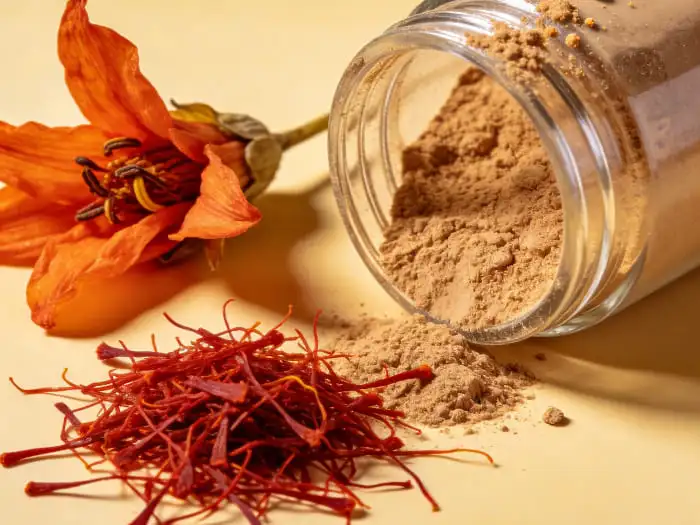
Saffron extract represents a highly concentrated botanical ingredient derived from the delicate stigmas of Crocus sativus L., appearing as a distinctive red to dark red powder. Unlike traditional saffron spice used in culinary applications, this extract undergoes specialized solvent or CO2 extraction processes to concentrate bioactive compounds including crocin, safranal, and picrocrocin. These apocarotenoids deliver the extract's therapeutic potential while providing natural coloring properties valued across multiple industries.
Extraction Methods and Bioactive Profile
Modern extraction methods keep thermolabile chemicals safe by processing them at a controlled temperature and using special liquid ratios. The powder that is made has normal amounts of crocin (about 2 to 5 percent), which is a water-soluble carotene that gives the fruit its color and protective properties. The chemical safranal helps protect neurons and gives the plant a pleasant quality. The chemical picrocrocin might help improve mood. Pharmaceutical-grade extracts are different from manufactured options or raw materials that aren't standardized because they have a concentrated bioactive profile.
Industrial Applications Across B2B Markets
New study backs up a wide range of industrial uses, including nutraceuticals, functional foods, cosmetics, and natural colorants. The extract has been used in food supplements for stress management and brain health because it has been shown to improve happiness, sleep, and protect against free radicals. Its natural pigment qualities also help functional food companies that want clean-label alternatives to manufactured colorants.
Cosmetic companies are using saffron chemicals more and more in anti-aging products because they protect cells from oxidative stress and make skin look better. Because it can be used in so many ways, this extract is especially useful for B2B buyers who want ingredients that can be used in a lot of different ways.
Is Saffron Extract Safe? Analyzing Risks and Side Effects
Clinical evidence consistently demonstrates favorable safety profiles for standardized crocus sativus extract within established dosage ranges. Published studies reveal minimal adverse effects when consumption remains below 1.5 grams daily, with therapeutic benefits typically achieved at much lower doses of 15 to 30 mg. Understanding these parameters enables procurement professionals to specify safe formulation guidelines for downstream product development.
Documented Side Effects and Risk Mitigation
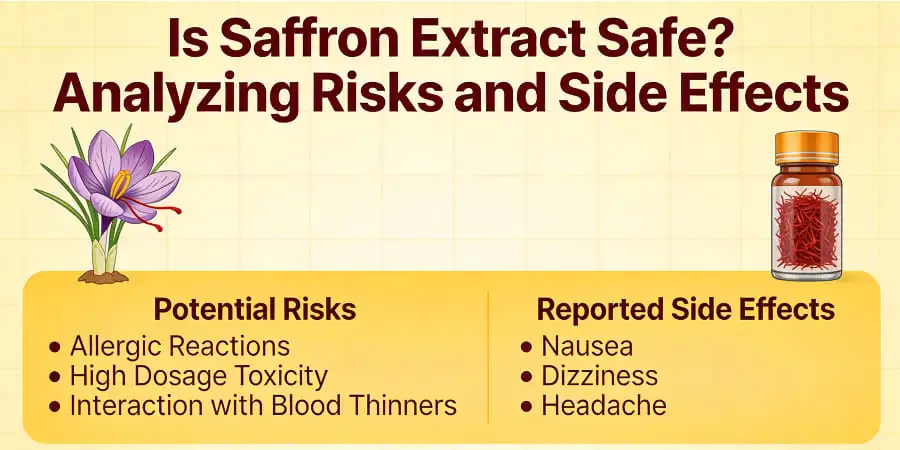
Reported side effects are mostly mild and vary on the amount. At higher doses, users may experience nausea, dizziness, or changes in their hunger. Rarely, allergic responses happen, mostly in people who are already sensitive to plants in the Iridaceae family. These risks show how important it is to have clear labels and teach customers about end products.
Pharmaceutical formulations need to think about drug combinations, especially with blood pressure medicines and medicines that stop blood clots. The natural chemicals in the extract may make some medications work better, so it's important to talk to your doctor before using it for medicinal purposes. Women who are pregnant or nursing shouldn't take supplements because there isn't enough information on their safety in these groups.
Quality Control and Regulatory Compliance
Reputable companies test their products thoroughly to make sure they are safe and effective. According to FDA and EMA rules, heavy metal content, microbiological safety, and herbicide leftovers are checked by a third-party laboratory. HPLC fingerprinting technology makes it possible to accurately identify real saffron molecules and find possible adulterants that could make the product less safe.
To keep quality standards high, GMP certification requires controlled production settings, batch paperwork, and stability testing. These methods give B2B buyers faith in the reliability of the products they buy and help foreign markets follow the rules.
Comparing Saffron Extract with Other Extracts and Products
People who make decisions about purchases should know how saffron extract stacks up against other plant ingredients in terms of safety, effectiveness, and fitness for specific uses. Based on specific formulation needs and target market expectations, this research helps find the best sourcing methods.
Chemical Composition and Bioactivity Differences
Unlike turmeric products, which mostly depend on curcumin for their medicinal effects, saffron has many compounds that work together to make it more useful. These compounds are crocin, safranal, and picrocrocin. This variety makes it possible to place the product more broadly than with single-compound options while keeping the same safety limits.
Because it contains a lot of volatile compounds and could be phototoxic when exposed to UV light, saffron oil comes with its own set of risks. The extract powder form is more stable and has a longer shelf life. It also doesn't have the rusting problems that come with oil-based goods. Artificial versions of saffron don't have all the phytochemicals that real saffron does, so they can't really help with health problems.
Quality Assessment Criteria for B2B Procurement
Professional buyers should look for providers that offer standardized crocin content proof, full records of analysis, and extraction methods that have been tested and proven to work. Premium grades show uniform bioactive amounts across production batches, which lets formulators know what to expect and makes sure they're following the rules.
Real crocus sativus extracts are more expensive because the raw materials are more expensive and the processing is more difficult, but they work better than fake or altered versions. Putting money into goods that have been checked to be real protects a brand's image and makes sure that customers are safe and happy.
Procurement Insights: How to Buy Saffron Extract Safely and Affordably
To buy saffron extract strategically, you need to carefully evaluate suppliers, check the quality of the extract, and follow risk management rules. Knowing how the market works and making sure the seller meets certain standards helps you make smart buying choices that balance cost with quality needs.
Supplier Assessment and Certification Requirements
Certified makers keep their ISO 9001 quality management systems up to date, as well as their GMP site certifications and, if necessary, their organic compliance. Geographical factors that affect buying tend to favor well-known production areas with proven farming skills and quality control systems. European and North American suppliers often offer better paperwork for legal compliance and easier tracking.
Supplier audits should check the ability to remove, the approval of the testing lab, and the openness of the supply chain. The possibility of a long-term relationship relies on the availability of technical support, custom formulation services, and minimum order quantities that can be changed to fit different production levels.
Pricing Analysis and Negotiation Strategies
Prices on the market are based on the prices of raw materials, how hard they are to remove, and how standardized they are. Organic approval usually adds 15–25% to the price and lets you reach certain market groups. Bulk buying deals can lower unit costs and make sure that supplies are always available during times of high demand.
To protect against problems with supplies, contract terms should include quality standards, shipping dates, and performance promises. Payment arrangements that combine the need for cash flow with the relationship with the seller maximize the value of buying over the long run.
Counterfeit Detection and Product Verification
Complex ways of adulteration need more complex detection tools than just looking at the product. HPLC-MS research is the only way to be sure of what a chemical is and can also show synthetic additives or plant substitutes that are often used in fake goods. Reliable providers include full analytical reports with every package to help with checking the quality.
To make sure a product is real, authentication procedures should include chemical fingerprints, microscopic examination, and sensory evaluation. These steps of proof keep consumers safe and make sure that businesses follow the rules. They also stop economic scams.
Maximizing the Value of Saffron Extract in Your Product Portfolio
To successfully add saffron extract to commercial products, you need to know about compatibility factors, how to get the best dose, and how to place your product in the market. Using clinical proof and new study trends to back up a product makes it more credible and meets changing consumer needs.
Formulation Compatibility and Optimization
Different delivery methods don't all work with extracts in the same way. For example, encapsulation is the most stable way to give food supplements, but processing liquid formulations needs special care. Light and pH levels can change how stable a chemical is, so it's important to follow the right storage and packing rules.
Combining plants that work well together can improve medicinal results and give you a unique edge in the market. According to research, formulas that combine saffron with adaptogens or substances that help with sleep work better than formulas that only use one ingredient.
Clinical Evidence and Market Credibility
Published scientific studies back up health claims that certain foods can improve your happiness, help you sleep better, and protect you from free radicals. Citing peer-reviewed research in marketing materials for a product boosts customer trust and helps the approval process with regulators.
New areas of study include ways to improve brain function, help people lose weight, and improve skin health. When goods use evidence-based formulations early on, they get ahead of market trends and become thinking leaders in their competitive categories.
Sustainability and Innovation Trends
Sustainable buying practices are becoming more and more important in B2B purchasing decisions as companies try to meet the needs of environmentally conscious customers. Suppliers that use sustainable agriculture, fair trade, and programs to lower their carbon output are in line with the environmental goals of their companies.
New transport systems, individual dosing methods, and combination goods that treat more than one health problem are all areas where innovation can happen. These changes make it possible to stand out while also increasing the number of markets that can be reached.
Conclusion
Saffron extract demonstrates a well-established safety profile when sourced from reputable manufacturers and used within recommended dosages. Clinical evidence supports its beneficial effects for mood support, antioxidant protection, and various health applications across nutraceutical, cosmetic, and functional food industries. The key to safe procurement lies in selecting suppliers with verified quality control systems, standardized bioactive content, and comprehensive testing protocols. B2B buyers who prioritize authenticity verification, regulatory compliance, and sustainable sourcing practices position themselves for successful product development while ensuring consumer safety and market acceptance.
FAQ
Is saffron extract safe for daily consumption?
Yes, daily consumption of saffron extract is safe when limited to 15–30 mg per day. Clinical studies show that these medicinal amounts have few side effects and many benefits, such as improving happiness and protecting cells from damage caused by free radicals. Going over 1.5 grams a day could have bad effects, so you should try to stay below that limit.
Can saffron extract interact with medications?
Saffron extract may enhance effects of certain medications, especially blood pressure and anticoagulants. People who take medicinal drugs should talk to their doctors before using them. The natural chemicals in the extract can change how drugs are broken down, so they should only be used with the help of a doctor.
How can I verify authentic saffron extract quality?
To make sure that saffron extract is real, it needs to be analyzed using HPLC to check for crocin content and find any fakes. Suppliers you can trust give you certificates of analysis that show normal bioactive amounts, heavy metal tests, and microbiological safety data. Testing by a third-party lab adds to the quality guarantee for important apps.
What dosage is recommended for different applications?
Dietary products usually have 15–30 mg of this substance every day to help with happiness and sleep. Topical versions with amounts of 0.1 to 1% are used in cosmetics. Functional foods use smaller amounts primarily for their natural coloring benefits, but regular usage keeps the healing potential.
Are there any contraindications for saffron extract use?
Due to a lack of safety data, women who are pregnant or nursing should not take saffron supplements. People who have bleeding problems or are planning to have surgery should stop using it because it might make blood clot. People who are allergic to plants in the Iridaceae family should be careful.
Partner with Wellgreen for Premium Saffron Extract Solutions
Wellgreen Technology stands as your trusted saffron extract manufacturer, delivering pharmaceutical-grade plant-based products that meet the strictest quality standards around the world. Our GMP-certified plant makes sure that standard extracts are always made with confirmed crocin content, full regulatory paperwork, and thorough third-party testing. To help you meet your product development deadlines, we offer flexible minimum order amounts, help with custom formulations, and fast shipping. Our large selection of approved organic and standard grades is used in cosmetics, nutraceuticals, and functional foods in markets in North America and Europe. You can email our technical team at wgt@allwellcn.com to ask for samples, certificates of analysis, and full product specs that show how committed we are to making the best botanical extracts possible.
References
Moshiri, M., Vahabzadeh, M., & Hosseinzadeh, H. (2015). Clinical applications of saffron (Crocus sativus) and its constituents: A review. Drug Research, 65(6), 287-295.
Lopresti, A. L., & Drummond, P. D. (2014). Saffron (Crocus sativus) for depression: a systematic review of clinical studies and examination of underlying antidepressant mechanisms of action. Human Psychopharmacology: Clinical and Experimental, 29(6), 517-527.
Khazdair, M. R., Boskabady, M. H., Hosseini, M., Rezaee, R., & Tsatsakis, A. M. (2015). The effects of Crocus sativus (saffron) and its constituents on nervous system: A review. Avicenna Journal of Phytomedicine, 5(5), 376-391.
Modaghegh, M. H., Shahabian, M., Esmaeili, H. A., Rajbai, O., & Hosseinzadeh, H. (2008). Safety evaluation of saffron (Crocus sativus) tablets in healthy volunteers. Phytomedicine, 15(12), 1032-1037.
Pitsikas, N. (2016). Constituents of saffron (Crocus sativus L.) as potential candidates for the treatment of anxiety disorders and schizophrenia. Molecules, 21(3), 303.
Christodoulou, E., Kadoglou, N. P., Kostomitsopoulos, N., & Valsami, G. (2015). Saffron: a natural product with potential pharmaceutical applications. Journal of Pharmacy and Pharmacology, 67(12), 1634-1649.