Oyster Mushroom Powder: A Nutrient-Rich Addition to Your Kitchen
2026-07-10 14:37:07
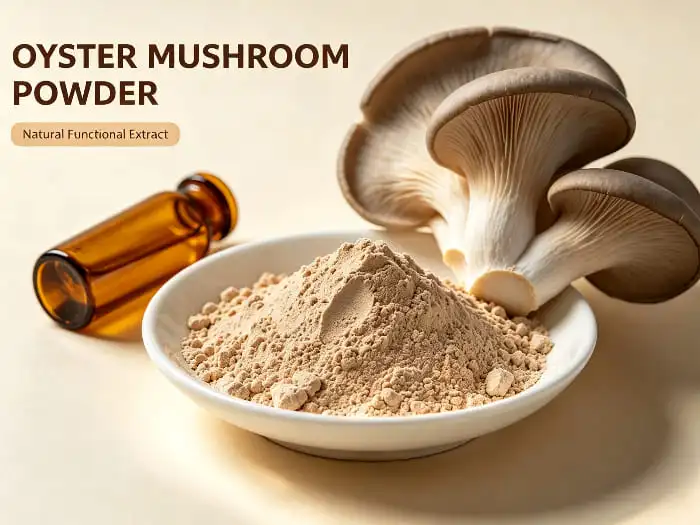
Oyster mushroom powder is a great ingredient that has changed the way foods are made and how supplements are made. This natural food item comes from carefully cleaning, drying, and grinding fresh Pleurotus ostreatus. It keeps a lot of the polysaccharides, dietary fiber, plant-based protein, vitamins, and important minerals that the fresh plant provides. This mushroom-based powder is essential for product developers who want to meet customer standards for both nutrition and transparency as the world's demand moves toward plant-based proteins, clean-label ingredients, and functional foods. Because it is low in fat and high in nutrients, it can be used as an essential ingredient in functional drinks, food supplements, plant-based meat replacements, and even pet nutrition products.
What Is Oyster Mushroom Powder and Why It Matters?
It is very important for sourcing teams and formulation experts to know how mushroom-based products are made and how healthy they are. Oyster mushroom powder is made using controlled dehydration techniques that keep the bioactive substances while guaranteeing bacterial safety and longer shelf life. The grinding process can be changed to get different mesh sizes, from regular powder to ultra-fine particles, based on the use, like making the powder dissolve in drinks or adding it to capsules.
Nutritional Profile That Drives Product Innovation
The nutritional makeup of this material gives many recipe benefits. It helps the immune system by being high in beta-glucans and other carbohydrates, which is a quality that is becoming more and more important in functional food growth. The high amount of dietary fiber is good for digestive health, and the plant-based protein profile fits with the growing desire for vegan and veggie products. According to research, oyster mushrooms have ergothioneine in them, which is a naturally occurring antioxidant that might help protect against oxidative stress. This powder is therefore a good choice for both food supplements and beauty uses.
Commercial Value Across Multiple Industries
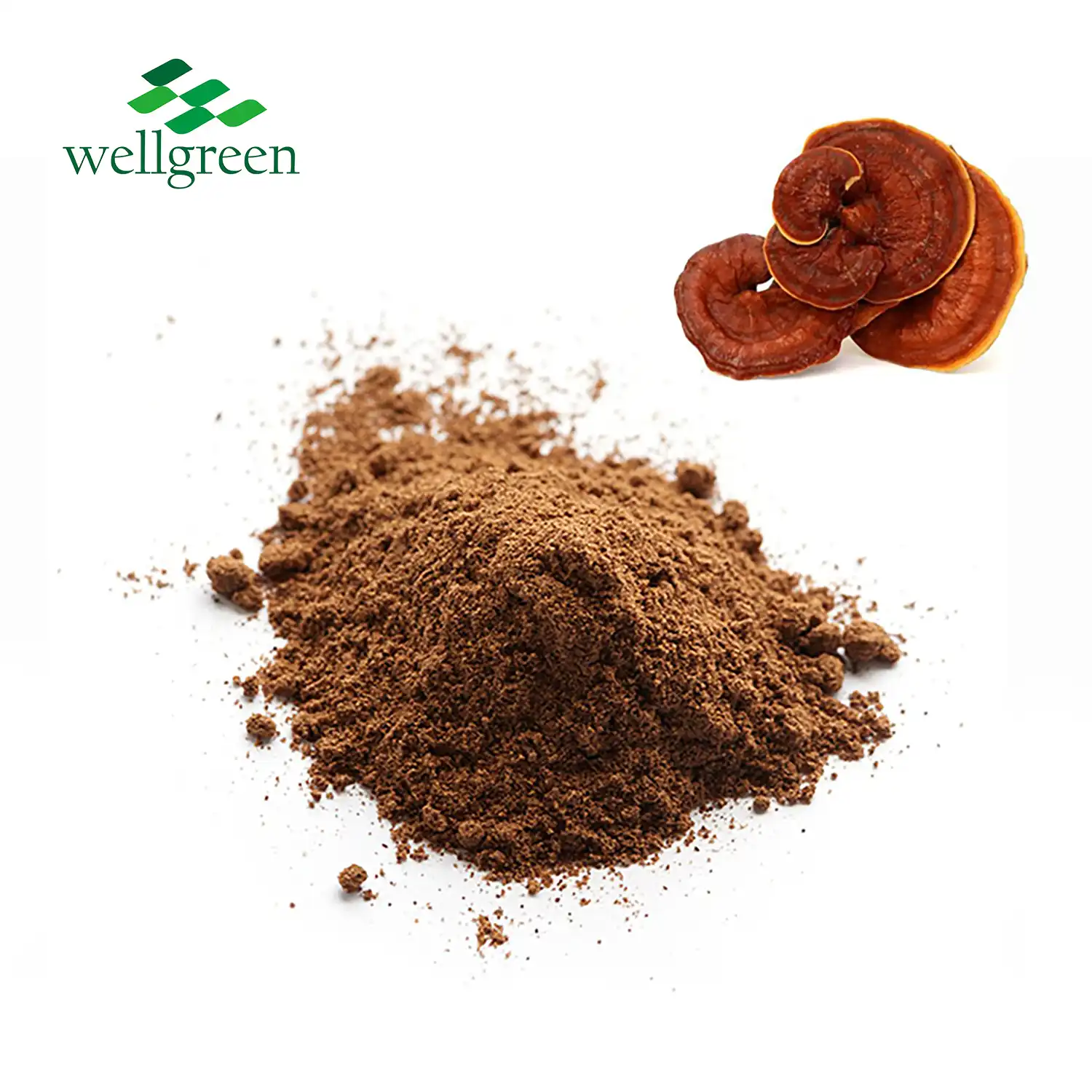
In addition to being good for you, this item is also useful for making food. Its natural umami flavor makes food taste better, so you don't have to use as many artificial ingredients or high-sodium spices. Because of this, it is useful in seasoning mixes, soup bases, and ready-to-eat meals that focus on using clean ingredients. The neutral color and light earthy notes work well with protein shakes, energy bars, and meal replacement powders without changing the way they taste or smell. Nutraceutical companies that are making mushroom complexes can make wellness goods that are appealing to health-conscious customers by mixing organic oyster mushroom powder with reishi or shiitake extracts.
Comparing Oyster Mushroom Powder with Other Mushroom Powders
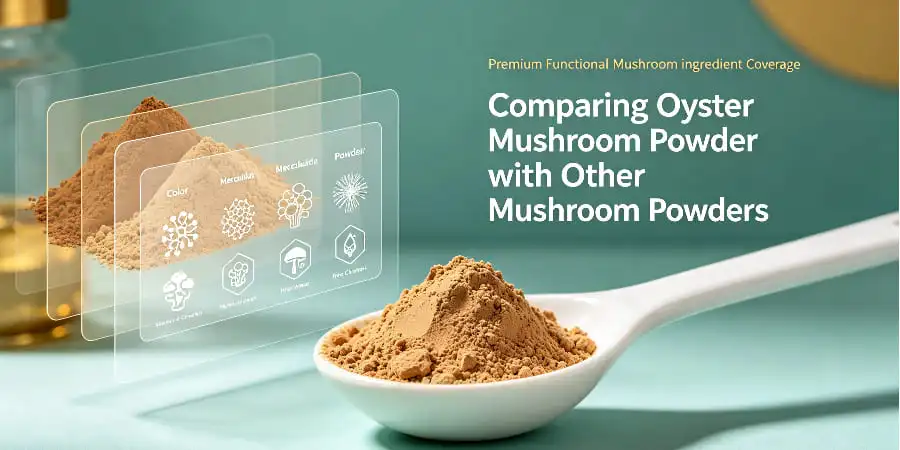
Buying things needs careful comparisons to make sure that the qualities of the ingredients match the goals of the product and the tastes of the target market. While shiitake mushrooms have stronger flavors that work well in cooking, oyster mushrooms have softer flavors that work better in vitamins and drinks that don't have a strong flavor. Oyster mushroom powder usually has more protein than many other types of mushrooms, which can help with the growth of plant-based protein products.
Organic Certification and Quality Benchmarks
There is more to the difference between organic and regular mushroom pills than just business appeal. More and more people are worried about pesticide residues and the health of the environment. Organic approval handles these concerns and commands a top place in North American and European markets. Regulatory managers should check a lot of paperwork when reviewing suppliers. This includes the Certificate of Analysis (COA), reports on heavy metal tests, microbial analysis, and pesticide screening results. For food-grade uses, where contamination risks must be kept to a minimum through proven production controls, total plate counts, yeast and mold levels, and pathogen tests become even more important.
Evaluating Supplier Capabilities and Consistency
When you compare the quality of different makers, you can see that processing standards and batch stability vary a lot. Leading providers keep their buildings GMP-certified, set up systems that allow for tracking from planting to packaging, and offer expert help for formulating. Different particle sizes affect how well they mix with liquids. For example, ultra-fine powders below 80 mesh dissolve more easily in drinks, while coarser grades work well as food matrices or pill fills. Stable polysaccharide assay levels across production lots, color regularity, and moisture content below certain limits are all signs of strong manufacturing controls that are needed for large-scale operations.
How to Use Oyster Mushroom Powder in Your Kitchen and Business?
This material can be used in a wide range of products and at different production levels because it can be used in many different ways. In the process of making functional foods, the usual range of inclusion rates is between 2% and 8%, based on the health benefits and taste effects that are wanted. Formulators of drinks often use water-dispersible grades in smaller amounts to improve nutrient values without changing the taste or texture of the drink. In dietary supplement applications, encapsulation usually uses 300–500 mg per dose. However, there isn't a lot of clinical study to back up specific dosing, and product makers should stick to safety guidelines that have already been set.
Integration in Plant-Based Meat Alternatives
As the market for plant-based proteins grows, there is a need for products that add both nutrition and structure. Mushroom powders add more taste to meat-like substances and help them stick together. But when organic oyster mushroom powder is mixed with pea protein, soy extracts, or wheat gluten, it makes the flavors more complicated and more like real meat. The fiber content also makes the texture better and helps keep the liquid in while cooking, which are two problems that often come up when making plant-based meat.
Safety Considerations and Usage Guidelines
While most people agree that products from reliable sources are safe, people who make new products should think about how they might affect people who are allergic. People who are sensitive to mold may sometimes have reactions to the proteins in mushrooms. If a manufacturing facility processes more than one plant ingredient, it must have the right allergy controls in place. Different products have different daily dose suggestions, but most dietary supplement brands say to take 1 to 3 grams a day, split up into several amounts. Because it has a lot of fiber, eating more than the recommended amount may cause mild stomach pain in some users.
Procuring Oyster Mushroom Powder: A B2B Buyer's Guide
When you do strategic buying, you have to find a balance between quality standards, the dependability of the supply chain, and business terms. When compared to multi-tier sales methods, direct manufacturer relationships often offer better technical support, the ability to customize products, and stable prices. When procurement teams look at possible suppliers, they should check their production capacity, inventory management systems, and how flexible they are with minimum order amounts. This is especially important for new brands that want to see how the market reacts to them before signing big contracts.
Certifications and Compliance Documentation
Compliance with regulations is the basis of provider qualification. For the US market, food-grade materials must meet FDA standards. For the EU market, they must meet EU rules. Systematic quality management is shown by ISO certifications, HACCP application, and audit results from a third party. Suppliers who offer organic options should keep their USDA or EU Organic certifications up to date and keep review records. Kosher and Halal approvals help brands that cater to certain groups of people get into more markets.
Private Label and OEM Partnership Opportunities
A lot of companies offer white-label services that help get products to market faster. As part of these partnerships, formulating advice, custom mixing with ingredients that work well together, help with designing packaging, and production of the finished product are common tasks. OEM deals work especially well for companies that want to get into the mushroom supplement market but don't have their own production facilities. Both sides benefit from having clear discussions about intellectual property rights, terms of exclusivity, and quality control while making these kinds of deals.
Maximizing Value: Why Oyster Mushroom Powder Is a Smart Choice for Your Business
Market research shows that ingredients made from mushrooms are continuing to grow. This is because more people are becoming aware of functional foods and plant-based nutrients. In the past few years, sales of mushroom vitamins in North America have grown by double-digit numbers every year. Oyster mushroom powder is becoming more popular, along with more well-known types like lion's mane and cordyceps. This path opens up chances for early players to build their brands in an area that is growing.
Cost-Benefit Analysis for Product Developers
Product developers should do a cost-benefit analysis. Buying high-quality mushroom powders pays off by making your products stand out and building your brand's reputation. Normal mushroom products fight mostly on price, but certified organic powders with full testing records make more money because they appeal to buyers who care about quality. Because it is nutritionally dense, it can be used in smaller amounts than some competing ingredients. This lowers the cost of preparation while keeping the label's appeal. Brands that are good at talking about the functional benefits—like immune support, plant-based protein, and clean label status—justify charging more, which keeps profit margins high.
Sustainability and Environmental Considerations
Growing mushrooms is better for the earth than many other farming methods. As an example of a cycle economy model, oyster mushrooms grow on straw and sawdust, which are waste products from farming. The amount of water needed stays low, and output periods are short. Suppliers who use sustainable methods like green energy, reducing trash, and responsible sourcing are in line with corporate social responsibility goals, which are becoming more and more important to a brand's image. Certifications like Carbon Neutral or B-Corp standing show that a provider cares about the environment more than just following the rules.
Conclusion
Oyster mushroom powder has strategic value because it is good for you, can be used in a lot of different ways, and helps you stand out in the market. Its clean label, high carbohydrate content, and plant-based protein profile all address key trends that are changing the food and supplement industries. This ingredient helps new products come out and meets regulations in all global markets when it comes from qualified makers who follow strict quality standards. It's a great choice for companies making next-generation functional foods, dietary supplements, and plant-based goods that appeal to smart customers because it has more flavor options, more nutrients, and is more environmentally friendly.
FAQ
What is the optimal serving size for health benefits?
Typical food supplement forms include 500 mg to 2 g per daily serving, split up into pills or powders. More research needs to be done on certain health effects, so using low doses that are similar to how they are used in cooking is a good idea until there is more clinical proof.
How do organic and conventional powders compare in quality and cost?
Organic approval makes sure that there are no synthetic chemicals and that the product meets environmental standards. It also means that the product costs more, usually 30 to 50 percent more than regular grades. Quality differences depend more on how the products are made and how they are tested than on whether they are organic or not. Both can be safe for food if they come from trusted sources with all the necessary paperwork.
Is oyster mushroom powder safe for commercial food production?
As long as it is handled correctly and tested for heavy metals and microbes, it meets safety standards for food use. As part of quality assurance procedures, manufacturers should check the licenses of their suppliers, look over batch testing records, and do receiving inspections.
Partner with Wellgreen for Premium Oyster Mushroom Powder Supply
Wellgreen Technology is a specialized company that makes plant extract powder and provides complete ingredient solutions to vitamin brands, food makers, and contract manufacturers. Our GMP-certified production plant keeps a large stock of oyster mushroom powder in different grades, such as standard mesh, ultra-fine powder, and approved organic grades, so there is always enough for both small-scale production and large-scale business production. We offer full testing records, such as COA reports, bacteria analysis, and heavy metal screens that meet food-grade standards in the EU and the US.
Our technical team works with product makers to improve formulations, and we offer OEM and private label services that are tailored to the needs of each brand. We can help you with your product differentiation strategies by giving you creative solutions, such as custom mesh sizes for better solubility, specific package layouts, or mushroom complexes that are a mix of different species.
Contact our sourcing experts at wgt@allwellcn.com to look for bulk oyster mushroom powder suppliers, ask for samples, or talk about how our manufacturing skills can help you speed up the development of functional foods and supplements.
References
Rathore, H., Prasad, S., & Sharma, S. (2017). Mushroom nutraceuticals for improved nutrition and better human health: A review. PharmaNutrition, 5(2), 35-46.
Valverde, M. E., Hernández-Pérez, T., & Paredes-López, O. (2015). Edible mushrooms: improving human health and promoting quality life. International Journal of Microbiology, 2015, 376387.
Jayakumar, T., Thomas, P. A., & Geraldine, P. (2009). Protective effect of an extract of the oyster mushroom, Pleurotus ostreatus, on antioxidants of major organs of aged rats. Experimental Gerontology, 44(11), 725-731.
Reis, f. S., Martins, A., Vasconcelos, M. H., Morales, P., & Ferreira, I. C. (2017). Functional foods based on extracts or compounds derived from mushrooms. Trends in Food Science & Technology, 66, 48-62.
Wasser, S. P. (2014). Medicinal mushroom science: Current perspectives, advances, evidences, and challenges. Biomedical Journal, 37(6), 345-356.
Chang, S. T., & Wasser, S. P. (2018). The cultivation and environmental impact of mushrooms. Oxford Research Encyclopedia of Environmental Science, Oxford University Press.