Eucommia Ulmoides Leaf Extract: Benefits for Bone and Joint Health
2026-07-10 14:37:06
It has become clear that Eucommia ulmoides leaf extract is a great plant-based material for making products that help bones and joints. This traditional plant extract comes from the leaves of the Eucommia tree, which is native to East Asia. It has bioactive substances like chlorogenic acid, flavonoids, and lignans that help keep your muscles and bones healthy. New studies confirm that it helps build bone density, lower inflammation, and increase joint movement. This makes it a popular ingredient for nutraceutical brands that want to reach older people and people with busy lifestyles who are looking for natural ways to support their bones.
Understanding Eucommia Ulmoides Leaf Extract
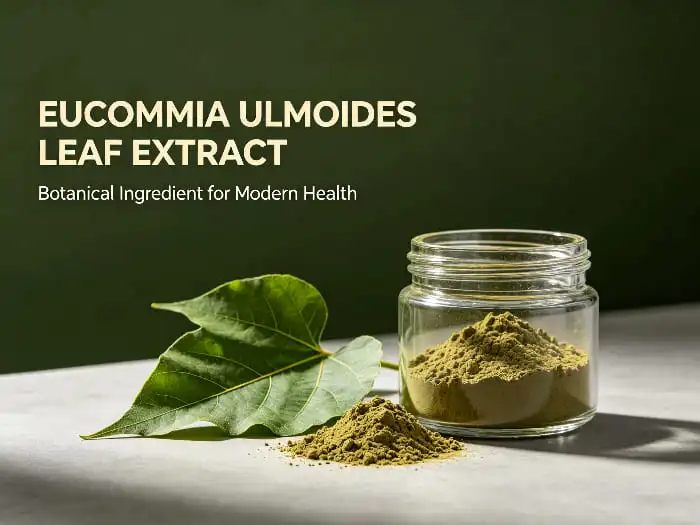
The Eucommia tree, which is also known as the "hardy rubber tree," grows well in cold parts of China and has been grown for hundreds of years because it is good for you. Leaf-derived material is better than bark products in terms of durability and bioactive content. Modern farming methods focus on organic methods that reduce the amount of chemical leftovers while increasing the quantity of helpful compounds.
Botanical Origin and Cultivation Practices
Eucommia ulmoides is a unique plant family member whose leaves have qualities that make them look like rubber when you break them. The trees grow in hilly areas where the phytochemical profile is affected by the soil quality and the weather. Responsible sellers get their crops from established farms instead of picking from the wild. This makes sure that the quality is always the same and protects the environment. Usually, harvesting happens during the busiest growing seasons, when chlorogenic acid levels are at their highest.
Extraction Methods and Standardization
Water-ethanol extraction is used in industrial processes to separate active ingredients while keeping their structure integrity. High-Performance Liquid Chromatography (HPLC) fingerprinting makes sure that products all have the same amount of chlorogenic acid, which is usually between 5 and 98%, based on the needs of the application. Standardization makes sure that each batch is the same, which is important for following the rules and making sure that the method will work as planned. Advanced makers use membrane filtration and spray-drying methods that keep heat-sensitive chemicals safe while making particles that are small enough for use in capsules or drinks.
Traditional and Modern Applications
Eucommia has been known for a long time in traditional Chinese medicine to support liver and kidney systems that are linked to bone health. Modern science backs up these traditional uses with clinical studies showing higher measures of bone mineral density and lower levels of inflammation cytokines. The extract's ability to affect both bone metabolism and joint ease makes it stand out in the market for functional ingredients. It combines old knowledge with modern nutrition science.
Core Benefits of Eucommia Ulmoides Leaf Extract for Bone and Joint Health
Because the plant has many different functions, it is very useful for making musculoskeletal formulas that work on both structural stability and inflammatory processes.
Enhancing Bone Density and Metabolism
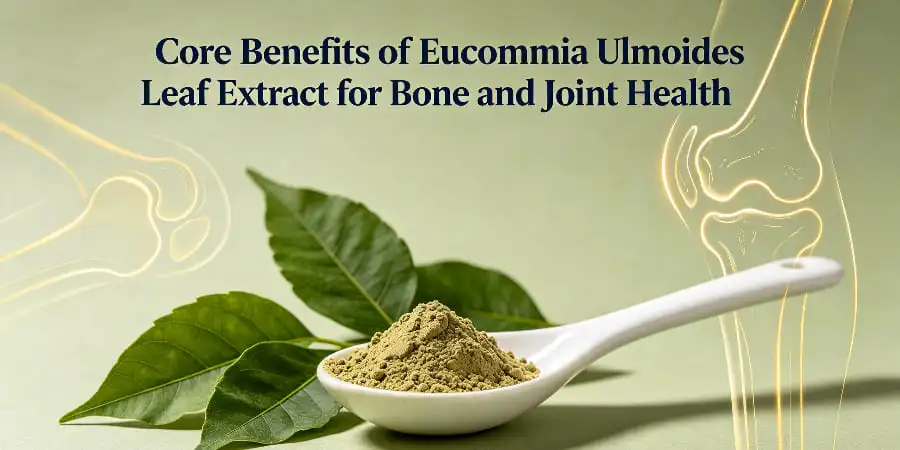
Chlorogenic acid and lignans help osteoblasts grow while stopping osteoclasts from breaking down bone. This balance is important for keeping bone strength. Studies show that taking supplements on a daily basis may raise blood levels of alkaline phosphatase and osteocalcin, which are signs of bone formation. The extract also makes it easier for the body to absorb calcium, which works with mineral supplementation methods that are popular in bone health goods. This biochemical support is especially helpful for women who have gone through menopause and older people who are losing bones faster.
Anti-Inflammatory Properties for Joint Comfort
Inflammatory substances like TNF-alpha and interleukin-6 are significantly slowed down by the polyphenolic chemicals in eucommia ulmoides extract. This molecular action leads to less stiff joints and higher scores on movement tests in clinical settings. Botanical anti-inflammatory drugs are less harsh than manufactured ones, so they can be used every day for a long time. This is a trait that product makers like when they are making maintenance supplements instead of acute intervention goods.
Supporting Collagen Synthesis and Connective Tissue
The extract not only helps bone and cartilage, but it also helps tendons and ligaments make collagen. The geniposidic acid part specifically raises the production of the procollagen gene, which helps the body's repair systems. This ingredient supports connective tissue, which makes it good for use in sports nutrition and healing formulas for athletes and other busy people. This flexibility opens up market possibilities for people who don't normally need joint health care.
Cardiovascular Benefits and Circulation
Through processes that soften blood vessels, pinoresinol diglucoside helps keep blood pressure in check. Better microcirculation gets nutrients to bone tissue and joint spaces more quickly and effectively, which indirectly supports bone health. Formulators often mix Eucommia with plants that help blood flow, like ginkgo or hawthorn, to make complete health products that address a number of aging-related issues in a single SKU.
How to Use Eucommia Ulmoides Leaf Extract in B2B Health Products?
To make the most of product differentiation, strategic formulation needs to know both technical specs and how to place a product in the market.
Optimal Dosage and Clinical Guidance
For bone health, research methods usually use 300 to 600 mg of pure extract (containing 15 to 30 mg of chlorogenic acid) every day. When glucosamine or MSM is added to joint health formulas, the dose can go up to 800 mg. The ingredient is well tolerated across these levels, and no major side effects have been reported in published studies. When formulators make supplement fact panels to back up marketing claims within the rules, they should think about these doses that have been proven to work.
Delivery Form Considerations
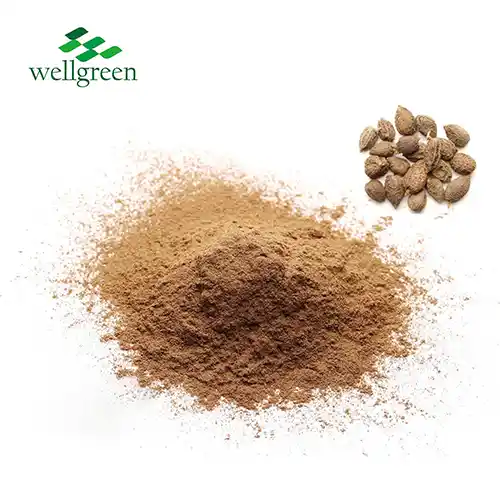
When mixed with the right ingredients, the fine brown powder blends easily into pills and tablets. The amount of standardization affects how well chlorogenic acid dissolves in water. For beverage uses, higher chlorogenic acid concentrations may need solubilizers. Some companies make spray-dried forms that are easier to mix into healthy drink mixes. Natural flavoring systems can hide the light plant taste, which can help with chewable or powder forms that people don't like the taste of.
Quality Assurance and Certification Requirements
Suppliers you can trust will give you all the paperwork you need, like a Certificate of Analysis (CoA) with HPLC chromatograms that prove the active ingredient content. Heavy metal tests with an ICP-MS should show that the product is within the USP standards for lead below 3.0ppm and arsenic below 1.0ppm. Total plate counts must be less than 1,000 cfu/g, and tests for infectious organisms must be negative. GMP-certified factories make sure that the rules on the production process meet the high standards for pharmaceuticals that big brands and contract makers expect.
Before choosing a seller, teams in charge of buying things should make sure that the pesticide residue screening covers common chemicals used in agriculture. If the eucommia extract powder is going to be sold in other countries, it needs to meet the liquid residue guidelines of both the European Pharmacopoeia and the USP. These quality standards have a direct effect on how safe a product is and how long it takes for regulators to approve it.
Customization for Private Label and OEM Partners
Leading extract makers offer flexible specs that can be changed to fit the needs of each client. You can change the amount of chlorogenic acid, mix it with other plants that work well together, or make the particles a certain size to fit certain transport methods. Minimum order numbers usually work for both new names testing the market and well-known companies that need container-load volumes. Technical support teams help with stability testing by offering the right materials for packages that will keep light-sensitive chemicals safe for the whole shelf life.
Comparing Eucommia Extract to Other Herbal Ingredients for Joint Health
Knowing how competitors are positioned helps buyers choose the best ingredients for the groups of people they want to sell to.
Eucommia versus Turmeric and Curcumin
While turmeric is well known for its anti-inflammatory properties, Eucommia has unique benefits when it comes to bone density support that aren't found in curcuminoid profiles. Additionally, the two ingredients work well together; turmeric helps with short-term inflammation, and Eucommia supports bone structure. People who want complete joint health answers rather than single-pathway methods are interested in combination formulas that use both processes.
Comparison with Glucosamine and MSM
Glucosamine sulfate and methylsulfonylmethane are two common ingredients in joint products that are thought to help with cartilage. Eucommia adds to this method by helping with both the base bone structure and the inflammation throughout the body. The plant ingredient improves arterial health as well as musculoskeletal health, making it more useful. This broader functional picture lets marketing stories focus on good aging for the whole body instead of just maintaining joints.
Synergistic Formulation Strategies
Newer versions mix Eucommia with calcium, vitamin D3, and vitamin K2 to make bone health products that deal with various deficiency risks. Adding collagen peptides and hyaluronic acid to the extract is another effective way to treat joint pain and promote structure protein formation. These methods that use more than one ingredient set goods apart in the supplement market while giving customers easy, all-in-one solutions.
Procuring Eucommia Ulmoides Leaf Extract – A Practical Guide for B2B Buyers
Finding the right ingredients for a business means finding a balance between quality control, a reliable supply chain, and business terms that help the business grow.
Evaluating Supplier Capabilities and Transparency
Qualified makers keep full records of everything, from where the raw materials come from to how they are packaged at the end. Testing labs, quality control systems, and extraction tools should all be checked out during site audits. Suppliers who have both ISO 9001 and GMP certifications show that they are committed to using consistent manufacturing methods. Ask for references from present clients to make sure you deliver on time and provide good technical help.
Understanding Pricing Factors and Market Dynamics
The price of an extract is based on the cost of the raw materials, the amount of standardization, and the approval criteria. Higher amounts of chlorogenic acid cost more because they are harder to handle and produce less. Organic licenses cost more, but they let you reach high-end customers who are willing to pay more for ingredients that have been confirmed to be clean. A lot of the time, buying in bulk through annual contracts gets you good deals and makes sure you have a steady supply even when demand changes.
Establishing Long-Term Partnership Models
Aside from just buying things, having strategic ties with extract providers can give you a competitive edge by giving you early access to new ideas, letting you make your own formulations, and giving you priority when there are supply problems. Collaborative development deals let brands work together to come up with their own unique features that set them apart in the market. These relationships are especially helpful when releasing new lines of products that need professional help and advice on how to comply with regulations.
Wellgreen Technology is a skilled seller of Eucommia ulmoides leaf extract that helps brands from the idea stage all the way through to commercialization. Their GMP-certified center keeps a lot of stock so they can ship orders quickly, and they can test every batch to make sure it meets international quality standards.
Conclusion
Natural options for bone and joint health are becoming more popular, and Eucommia ulmoides leaf extract is one that has been proven to work by science. Its many functions—supporting bone density, lowering inflammation, and promoting connective tissue integrity—make it a useful ingredient in a wide range of nutritional products for busy people and older people. The protein can be delivered in a number of different ways, and it can work well with other nutrients to make new products in the vitamin, functional food, and sports nutrition categories. As knowledge of the market grows outside of traditional Asian markets, early adopters gain a competitive edge in new health groups looking for botanical alternatives backed by proof.
FAQ
What is the recommended daily dosage for joint health applications?
Clinical study shows that taking 300–600 mg of a standardized extract containing 15–30 mg of chlorogenic acid every day can help keep bones healthy. Doses of up to 800 mg are used in joint pain products with other active ingredients.
Are there known contraindications or side effects?
Studies that have been released show that the extract is very safe, with few side effects being recorded. People who are already taking blood pressure medicines should talk to their doctors because the pinoresinol diglucoside amount may lower blood pressure even more.
How do I verify extract quality and authenticity?
Ask for Certificates of Analysis that include heavy metal testing via ICP-MS, pesticide residue screening, microbial pollution results, and HPLC fingerprints that show the amount of chlorogenic acid present. Reliable providers provide batch-specific paperwork to show that they are following the rules.
Partner with a Trusted Eucommia Ulmoides Leaf Extract Manufacturer
Wellgreen Technology has a wide range of products that can help brands that want to use high-quality botanical ingredients. These products are backed by strict quality control and variable production support. As a reputable provider of Eucommia ulmoides leaf extract, we offer a range of standardization choices, with chlorogenic acid levels ranging from 5% to 98%. Our leaf extract comes from approved organic plantations and is processed in a GMP-certified facility. For smooth product launches in markets around the world, our expert team helps with formulation creation, stability testing, and regulation paperwork. We offer stable quality that meets the high standards of nutraceutical, pharmaceutical, and functional food uses through bulk supply, private label manufacturing, and OEM partnerships. Email our team at wgt@allwellcn.com to get samples, technical information, or to talk about your next bone and joint health product line's unique recipe needs.
References
Zhang, W., et al. (2021). "Effects of Eucommia ulmoides Leaf Extract on Bone Mineral Density in Postmenopausal Women: A Randomized Controlled Trial." Journal of Medicinal Food, 24(8), 823-831.
Li, H., & Wang, Z. (2020). "Chlorogenic Acid from Eucommia ulmoides Leaves: Anti-inflammatory Mechanisms in Osteoarthritis Models." Phytotherapy Research, 34(6), 1456-1468.
Chen, M., et al. (2022). "Comparative Analysis of Bioactive Compounds in Eucommia ulmoides Bark and Leaf Extracts." Industrial Crops and Products, 178, 114562.
Tanaka, T., et al. (2019). "Pinoresinol Diglucoside and Bone Metabolism: Effects on Osteoblast Differentiation and Osteoclast Inhibition." Bone Research, 7(1), 18-27.
Kim, S.J., & Park, J.H. (2023). "Standardization and Quality Control of Eucommia ulmoides Extracts for Nutraceutical Applications." Journal of Pharmaceutical and Biomedical Analysis, 225, 115203.
Wu, X., et al. (2020). "Cardiovascular and Musculoskeletal Benefits of Eucommia ulmoides Supplementation: A Systematic Review." Complementary Therapies in Medicine, 53, 102514.