Using Maca Root Extract in Energy Supplements
2026-07-01 14:45:12
Maca root extract is now a main ingredient in many energy supplements, giving nutraceutical companies a natural answer that has been backed up by science. This adaptogenic extract comes from the Andes of Peru. It contains bioactive substances like macamides and glucosinolates that naturally boost energy, stamina, and metabolism without using artificial boosters. Product developers need to know how to add standardized maca root extract to capsules, powders, and functional drinks in a way that makes them competitive, follows the rules, and appeals to health-conscious customers as the demand for clean-label energy solutions grows.
Understanding Maca Root Extract and Its Role in Energy Supplements
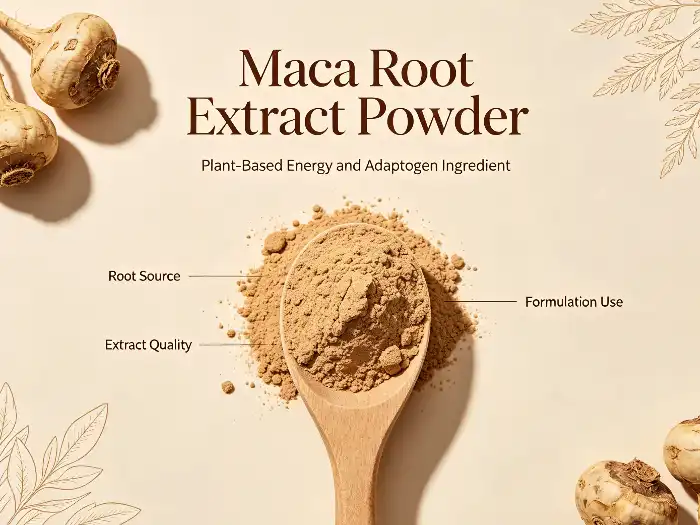
Understanding the unique traits of plants like maca root extract is the first step in making energy supplements that work. This adaptogen comes from Lepidium meyenii roots grown at high elevations in the Andes. It has been valued for hundreds of years for its ability to improve both mental and physical performance.
Key Bioactive Components Supporting Energy Metabolism
Because it has more beneficial compounds, maca root extract is different from simple root powders. Macamides and macaenes are two main chemicals that boost energy. They are unique benzylalkamides that can only be found in maca species. These chemicals work with the endocrine system to keep hormones in balance and keep the metabolism running. Glucosinolates, which are usually found at amounts between 0.6% and 2.0%, also help the body deal with physiological stress through their adaptogenic qualities.
In addition to these main substances, maca root extract also has amino acids, alkaloids, and carbohydrates that all work together to help cells make more energy. This complete nutritional matrix explains why users have shown changes in both their emotional energy levels and their objective performance measures, as shown in clinical study.
Clinical Evidence Supporting Efficacy in Energy Formulations
Several studies that were studied by experts back up maca root extract's role in providing energy. Studies in evidence-based journals of alternative medicine show that standardized extracts can greatly enhance athletes' endurance performance while lowering signs of tiredness. Unlike caffeine-based stimulants, which work right away but only last a short time, maca root extract works by supporting the metabolism over time. This makes it perfect for formulas that want to promote all-day energy instead of short-term excitement.
One very important study found that taking gelatinized maca root extract supplements for eight weeks improved bicycle time trial performance compared to a placebo. This suggests that the supplements increased energy use and decreased the feeling of effort during prolonged physical exercise.
Extract vs. Powder: Understanding Processing Differences
Buyers in the business world often have to choose between maca root powder and pure liquids. The ratio of raw maca root powder to the original root is usually 1:1. Extracts, on the other hand, have ratios that range from 4:1 to 20:1, which means that each gram of extract has a lot more active chemicals than raw maca root powder.
Bioavailability is also improved by the extraction process. Controlled cooking breaks down tough starch structures in gelatinized extracts, making them easier to digest and absorb. This step in the process is especially helpful for capsule uses where the dose size is important. A 500mg pill of 10:1 extract has the same amount of bioactives as 5,000mg of raw root. This means that makers can make strong mixtures without having to make a lot of big capsules.
Another important difference is how well something dissolves in water. Standard powders tend to settle when mixed with liquids, but spray-dried extracts that are carried by maltodextrin are better at mixing with drinks. Product designers have to choose the right extract form for the way they want to give it. For example, pills and tablets work well with concentrated powders, while functional drinks work best with water-soluble types.
Optimizing Formulation: Dosage, Intake, and Safety Considerations
Paying close attention to dose guidelines and formulation science is needed to turn plant ingredients into useful goods. A lot of maca extract powder's effectiveness relies on meeting therapeutic limits while still staying safe.
Industry-Standard Dosage Guidelines
Based on clinical studies, daily doses of 1,500 mg to 3,000 mg of raw root equivalent work well. These amounts need to be changed based on extraction ratios when working with concentrated extracts. For a 10:1 extract to have the same amount of bioactive material, it would need 150 mg to 300 mg per day.
When deciding on quantity, formulation teams should think about how the product will be positioned. Higher doses are usually used in sports nutrition products that aim to improve performance, while mild doses may be used in general health supplements along with botanicals that work well with them. By standardizing to certain marker compounds, like 0.6% macamides, production batches are more likely to be the same, which is important for brands that care about quality.
Timing and Consumption Best Practices
Unlike steroids, which need to be taken at certain times depending on exercise, maca root extract works by changing the balance of hormones over time. Most study methods use a single dose in the morning, but people who are sensitive may be able to handle it better if the doses are split up. On the product label, it should say that the full benefits usually show up after two to four weeks of regular use. This will help customers know what to expect.
For energy drinks, maca root extract doesn't have a lot of instant effects on the senses. Because of this, it works better in long-lasting energy products or formulas that release the product slowly over time.
Synergistic Ingredient Combinations
Pairing ingredients in a smart way makes the product work better and helps it stand out in the market. When mixed with other adaptogens, like rhodiola rosea (which also helps reduce stress) and panax ginseng (which boosts mental energy along with physical energy), maca root extract works especially well. Another natural match is B vitamins and maca root extract because they support the metabolic routes that maca root extract uses to give you energy.
Product makers who make all-around energy mixes often include CoQ10 to help the mitochondria, ashwagandha to control cortisol, and L-carnitine to burn fat. With these mixtures, brands can handle different aspects of energy and vitality with just one SKU.
Safety Profile and Special Population Considerations
In general, maca root extract is very safe. Clinical studies have shown that at approved dosages, it has few to no negative effects. The most common problem mentioned was minor digestive issues during the first few days of use, which usually went away as the body got used to it.
Conditions that are sensitive to hormones need careful thought. Maca root extract doesn't have any phytoestrogens or directly change hormone levels, but because it affects the hypothalamic-pituitary axis, people with thyroid problems should talk to their doctors before using it. On product labels, there should be warnings for pregnant and nursing women because there isn't enough safety information for these groups, even though they have traditionally used the product in Andean countries.
Regulatory teams should know that maca root extract's GRAS standing in the US makes it easier to include it in functional foods and dietary supplements. However, health claims must follow FDA rules and not make claims about curing diseases.
Sourcing and Procurement Strategies for Maca Root Extract in Bulk
A successful product launch rests on both the quality of the formulation and the dependability of the supply chain. When purchasing plant providers, procurement managers need to look at a number of factors to make sure that production doesn't stop and that quality standards are always met.
Supplier Evaluation Criteria and Certification Requirements
Good manufacturing practice certification, ISO quality management systems, and region-specific registrations like FDA facility registration for US markets are all things that reputable bulk providers keep up to date. These certificates show that you are committed to meeting the standards for contamination control, tracking, and paperwork that are needed to follow the rules set by the government.
In addition to certificates, buying teams should look at how technically skilled suppliers are. Can they standardize certain marker chemicals to your exact needs? Do they offer more than one extraction ratio to work with different types of products? As product lines grow and formulation needs change, technical freedom becomes even more useful.
Traceability to Peruvian origin is still a very important issue when it comes to validity. Suppliers should show proof that the raw materials come from legal areas for growing crops in the Andes, because in unregulated supply lines, cheaper root veggies are sometimes mixed in.
Market Pricing Dynamics and Negotiation Strategies
The price of maca extract powder around the world changes based on how much is harvested in Peru, rules about exporting, and changes in demand around the world. Knowing how these markets work helps buying teams plan when to buy things and negotiate good terms. Concentration of the extract has a big effect on price. For example, a 20:1 extract naturally costs more than a 4:1 extract because it requires more raw materials and is harder to process.
When buyers commit to buying in bulk, they can usually get better prices, but they have to weigh the saves in costs against the costs of keeping stockpiles and the length of time the goods will last. If you keep maca root extracts properly in a cool, dry place, it will stay stable for 24 months. This gives you some options for buying in bulk.
Having ties with several qualified providers lowers the risk in the supply chain. Geographical diversification and dual-sourcing methods help keep output from stopping because of bad weather, changes in the law, or quality problems with one provider.
Procurement Channel Selection: Digital vs. Traditional
Online B2B sites have changed how botanicals are sourced by making prices clear and making it easier to place orders for one-time purchases. For testing new products and making small amounts, these outlets work well. Strategic relationships with dedicated account managers, on the other hand, offer benefits for ongoing production needs, such as customized specs, priority allocation during times of limited supply, and working together to solve formulation problems.
Most of the time, the best method is a mix of the two: digital tools for learning about the market and developing quantities, and direct supplier relationships for making promises on a large scale. This mixed approach keeps the ability to buy things in different ways while also forming partnerships that help the business grow in the long run.
Practical Applications: Designing Competitive Energy Supplements with Maca Root Extract
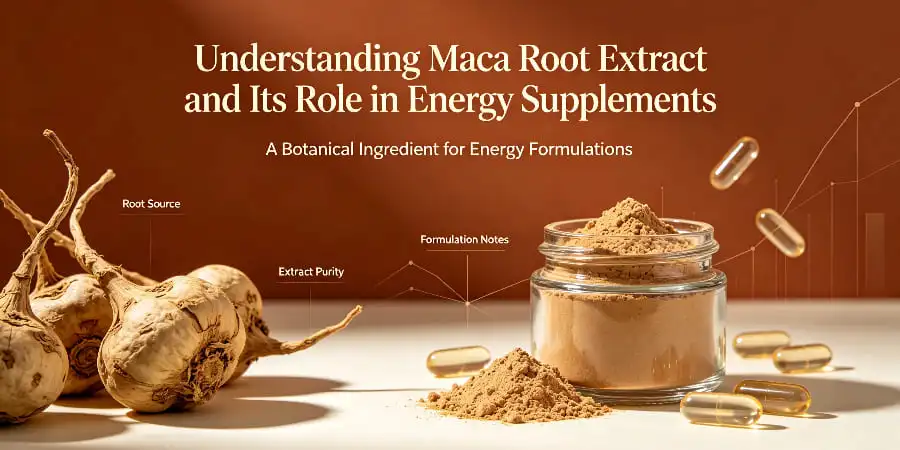
The only way to turn theoretical information into business success is to use it in real life. Product designers who make energy supplements with maca root extract need to think about how to place the product in the market, how to meet legal requirements, and how to keep up with new trends.
Successful Product Formulation Case Studies
By mixing 200 mg of 10:1 extract with branched-chain amino acids, beta-alanine, and natural caffeine from green tea, major sports nutrition makers have successfully added maca root extract to pre-workout and endurance products. This mix meets short-term performance needs with stimulants and helps with long-term adaptation and healing with maca root extract's endocrine benefits.
Another area with a lot of growth is men's health formulations. Some goods combine maca root extract with zinc, vitamin D, and tribulus terrestris to help with overall health. These methods with multiple ingredients let you charge more and offer different benefits compared to competitors using only one ingredient.
Regulatory Compliance and Labeling Guidelines
Functional drink makers have had success with ready-to-drink maca root extracts that dissolve in water. These extracts are often mixed with B vitamins and fluids to make them easy to take with you for energy on the go. Maca root extract has an earthy taste that makes it hard to get people to like it. To do this, you have to carefully formulate the product with natural flavors and spices.
Labels on products must correctly show the quantity and standards of the extract. Labels should make it clear on products that use a 10:1 extract that is standardized to 0.6% macamides so that customers are informed and the company can pass regulatory checks. Health claims can't say that something treats a sickness. Instead, they have to focus on structure-function statements like "supports energy and vitality" that are allowed by dietary supplement rules.
Emerging Trends in Formulation Innovation
Certificate of Analysis paperwork should be sent with each lot of ingredients, and tests of the end product should confirm what the label says and make sure there are no contaminants. These quality assurance practices protect the image of the company and lower the risk of being sued for problems with the quality of the product.
Sustainability is now an important thing for both B2B buyers and end customers to think about when they buy something. In the natural goods market, brands that talk about ethical sourcing, helping Andean farming communities, and taking care of the earth while growing maca have an edge over their competitors.
Personalized nutrition is a new area of research, and some companies are making products for men and women that use different types of maca root extract to meet their unique health needs. This approach for segmenting allows for focused marketing and could justify higher prices by making them seem more personalized.
Clean-label trends keep pushing people to want products with few fillers and ingredients that can be identified. Consumers who want openness and authenticity prefer simple formulas with maca root extract as the main ingredient and a few other plants that work well with it to complicated private blends.
Conclusion
Maca root extract is a flexible ingredient that has been backed by science that can be used to make energy supplements. Its special mix of bioactive ingredients gives you long-lasting energy support without the bad effects of synthetic stimulants, meeting the growing demand from customers for natural performance boosters. To be successful in this field, you need to pay close attention to the quality of the extract, how the dosage is calculated, how you place yourself in comparison to other adaptogens, and how you find reliable source partners. As the market for functional plants continues to grow, the first companies to make unique, high-quality maca root extract formulations will be able to take advantage of big possibilities in the energy supplement market.
FAQ
Is maca root extract safe during pregnancy and breastfeeding?
Even though it is traditionally eaten in Andean countries, there isn't enough clinical data to say for sure that it is safe for women who are pregnant or breastfeeding. Conservative medical advice says to stay away during these times unless your healthcare provider says it's okay. Standard pregnant statements should be on product labels to make sure that customers are aware of the risks and that the rules are followed.
When should consumers take maca extract for optimal energy benefits?
Taking it in the morning with food makes it easier to handle and fits in with your body's normal energy patterns. In contrast to short-term boosters, maca root extract needs to be taken every day for two to four weeks before it starts to work fully. Some people may get better results if they split their doses between the morning and early afternoon. However, people who have trouble sleeping should avoid taking it in the evening.
What factors should procurement teams prioritize when selecting maca extract suppliers?
Certification standards, such as GMP and ISO compliance, are the basis. Next, heavy metals and bacteria pollution are checked by a third party. Concerns about adulteration are addressed by proving the location of goods from Peru through supply chain documents. Formulation freedom is provided by the technical ability to standardize on a unique basis and use multiple extraction ratios. In the end, having established relationships with dependable transport services protects against production problems that might make products unavailable.
Partner with Wellgreen for Premium Maca Root Extract Supply
Wellgreen Technology is a reliable source of maca root extract for businesses across North America that make useful foods, nutraceuticals, and medicines. Our GMP-certified center takes real Peruvian maca and turns it into standardized extracts that come in black, yellow, and red forms. The extraction ratios can be changed from 4:1 to 20:1. With every shipment, we include full quality paperwork, such as HPLC analysis, heavy metal testing, and pesticide screening, to make sure your formulations meet the tightest legal standards.
Our expert team helps OEM and ODM projects by giving recipe advice, helping with stability testing, and quickly sending you samples to cut down on the time it takes to make a product. Our processing skills can give you the exact thing your project needs, whether it's gelatinized powder for encapsulation, water-soluble versions for use in beverages, or custom standardization to specific macamide levels. You can talk to our procurement experts at wgt@allwellcn.com about your needs, ask for samples, and get cheap bulk quotes that fit your production plan and budget.
References
Gonzales, G.F. (2012). "Ethnobiology and Ethnopharmacology of Lepidium meyenii (Maca), a Plant from the Peruvian Highlands." Evidence-Based Complementary and Alternative Medicine, Volume 2012, Article ID 193496.
Stone, M., Ibarra, A., Roller, M., Zangara, A., and Stevenson, E. (2009). "A Pilot Investigation into the Effect of Maca Supplementation on Physical Activity and Sexual Desire in Sportsmen." Journal of Ethnopharmacology, 126(3), 574-576.
Meissner, H.O., Mscisz, A., Reich-Bilinska, H., et al. (2006). "Hormone-Balancing Effect of Pre-Gelatinized Organic Maca (Lepidium peruvianum Chacon): Physiological and Symptomatic Responses of Early-Postmenopausal Women." International Journal of Biomedical Science, 2(4), 360-374.
Dording, C.M., Fisher, L., Papakostas, G., et al. (2008). "A Double-Blind, Randomized, Pilot Dose-Finding Study of Maca Root (L. meyenii) for the Management of SSRI-Induced Sexual Dysfunction." CNS Neuroscience & Therapeutics, 14(3), 182-191.
Zenico, T., Cicero, A.F., Valmorri, L., Mercuriali, M., and Bercovich, E. (2009). "Subjective Effects of Lepidium meyenii (Maca) Extract on Well-being and Sexual Performances in Patients with Mild Erectile Dysfunction." Andrologia, 41(2), 95-99.
Shin, B.C., Lee, M.S., Yang, E.J., Lim, H.S., and Ernst, E. (2010). "Maca (L. meyenii) for Improving Sexual Function: A Systematic Review." BMC Complementary and Alternative Medicine, 10, Article 44.