Safety Profile of Uncaria Gambir Extract in Topical Applications
2026-07-02 13:58:59
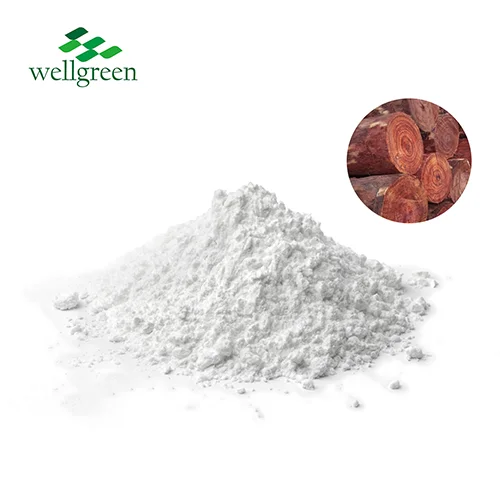
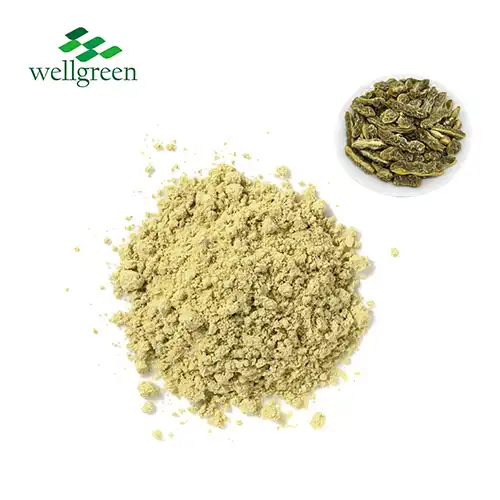
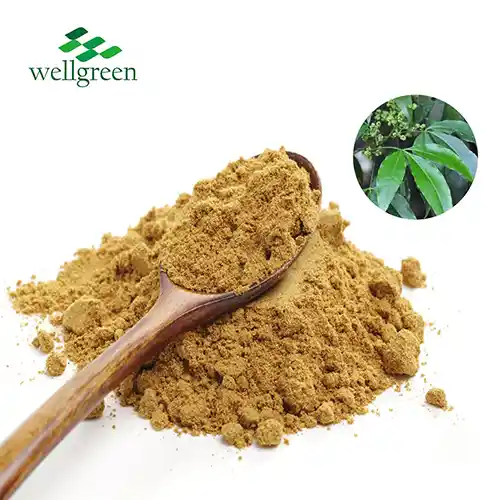
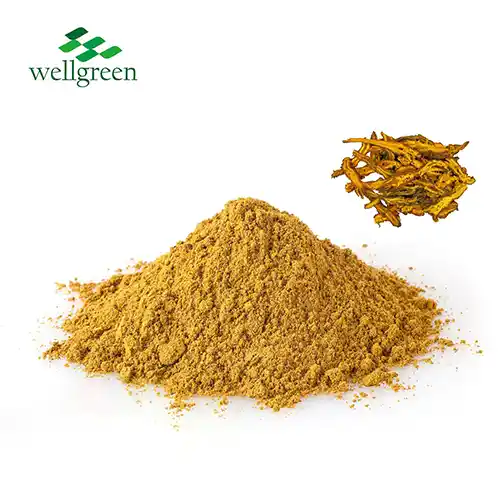
Product makers and regulatory managers need to know about the safety profile of uncaria gambir extract when they are looking at plant actives for skin care and cosmetic formulations. This ingredient comes from the heartwood and bark of the Acacia catechu plant and can be extracted with water or ethanol. When sourced and made properly, it has a good safety record for external use. The extract has strong antioxidant and astringent qualities that make it a good choice for current clean-label cosmetics. It is full of catechins, tannins, and polyphenolic compounds. According to clinical observations and dermatological tests, properly standardized gambir extract has few negative effects at suggested amounts. This makes it a safe option for brands looking for natural ingredients that work well and have good safety records.
Understanding Uncaria Gambir Extract and Its Health Properties
Botanical Origin and Active Constituents
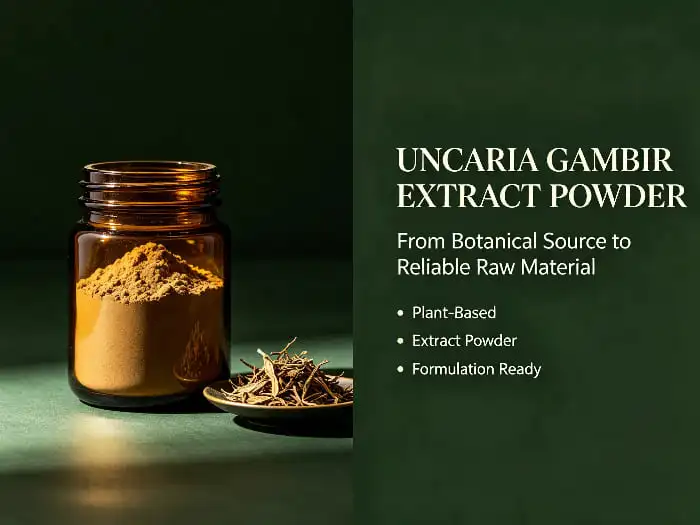
The uncaria gambir extract comes from Acacia catechu, a leguminous tree that has been used in traditional Asian medicine for a long time. Modern ways of extraction, whether using water or alcohol, concentrate the beneficial polyphenols, especially catechins and condensed tannins, that make the extract useful for medicine. These chemicals have been shown to be antioxidants, which means they help fight free radicals that damage cells and speed up the aging process. The amount of these active ingredients changes depending on how they were extracted, but the normal range is usually between 20% and 40% total polyphenols.
Therapeutic Efficacy in Topical Formulations
Catechu extract's ability to protect the face in beauty uses has been proven by research. The polyphenolic content has many benefits, including antioxidants that protect against external stresses, anti-inflammatory properties that calm irritated skin, and astringent properties that briefly tighten the look of skin. Because of these useful properties, the extract can be used in anti-aging serums, soothing creams, and products that tighten pores. In line with the demand for plant-based products, the natural origin supports vegan and clean-label messaging that appeals to today's health-conscious buyers.
Quality Assurance and Certifications
Industrial buyers give sellers with a lot of quality documents extra weight. Reliable makers offer standard specs with clear assay levels that are backed up by HPLC testing. Procurement teams use organic certifications, GMP compliance, and ISO standards as guidelines to judge how reliable a provider is. The certificates of analysis should include information about the amount of polyphenols, catechins, heavy metals, chemical residues, and microbiological safety factors. This framework for documentation makes sure that all batches are the same and helps with legal compliance in foreign markets.
Common Side Effects and Safety Concerns in Topical Use
Documented Adverse Reactions
Even though uncaria gambir extract is generally well accepted, sensitive people may sometimes have mild skin reactions when it is applied topically. Patch test studies show that allergic contact dermatitis happens in about 1% to 2% of people who are tested. It usually shows up as redness, itching, or mild inflammation in one area. Higher tannin levels are linked to these effects, since too much astringency can damage the skin barrier in people who are more likely to have problems with it. Formulation chemists should be aware that tannin amounts above 15% in finished goods make them more likely to irritate, especially in leave-on formulas.
Risk Mitigation Through Proper Formulation
The main way to reduce negative affects is through concentration control. Dermatological rules say that the concentration of extracts should not be more than 0.5% to 3.3% in face products and no more than 5% in rinse-off products. Because they have less tannin, water-extracted varieties usually have softer profiles than ethanol-extracted varieties. Adding relaxing substances like allantoin or bisabolol to the extract makes it even less likely to irritate the skin. In addition to testing for effectiveness, stability tests should also include repeated insult patch tests to make sure that the product is safe for all skin types over time.
Regulatory Standards and Documentation
Thorough safety reviews are needed to make sure that cosmetics follow the rules in the US and the EU. The Cosmetic Ingredient Review group judges botanical extracts by looking at statistics on their safety, how they have been used in the past, and the results of clinical trials. Safety data sheets, allergy statements, and paperwork for the preservative system should all be given by suppliers. There is a big difference between standards for food-grade and cosmetic-grade products. Cosmetics need tighter limits on microbes and heavy metals. Buyers should make sure that providers keep track of where the raw materials come from and how the finished product is tested to make sure that every batch meets legal standards.
Comparative Safety Analysis: Uncaria Gambir Extract vs Other Herbal Extracts
Safety Profile Benchmarking
When purchasing teams look at botanical actives, reviewing safety ratings helps them decide which ingredients to use. Another ingredient that is high in catechins is green tea extract. It has a similar antioxidant effect but a lower astringency because the amounts of catechins in different types of green tea vary. Witch hazel extract can tighten the skin in a similar way, but some preparations may make it more dry because they contain more alcohol. The uncaria gambir extract is in the middle; it has astringency that is stronger than green tea but not as strong as witch hazel. This makes it good for formulas that need to be moderately tightened without drying out too much.
Purity and Allergenic Considerations
The risks of contamination are very different for different plant products because of how they were grown and how they were processed. When compared to normally grown alternatives, catechu extract from sources that are handled in a way that doesn't harm the environment has less pesticide residue. The allergic potential is still lower than that of oak bark or sumac extracts, which have higher amounts of tannins that make people more sensitive. Standardization is very important in this case because catechin-to-tannin ratios that are clearly outlined help formulators make more accurate predictions about how well the product will work with skin. Powder forms are better at keeping contaminants out than liquid extracts, which need extra protection systems that may come with their own sensitivity risks.
Format-Specific Safety Considerations
The physical form affects how safe it is to handle and how stable the mixture is. Powdered extracts last longer and make it harder for microbes to grow, but they need to be carefully mixed so they don't clump in water. Liquid extracts are easy to mix, but they need to be thoroughly tested for preservatives. The water-soluble types work well with hydrogels, and the ethanol-extracted types work well with oil-based mixtures. The way something is stored affects its safety profile. Powders kept in humidity-controlled areas stay effective and safe for microbes for 24 to 36 months, but liquids usually need to be used within 12 to 18 months, even if they are kept in the fridge.
Procurement Considerations for Safe and High-Quality Uncaria Gambir Extract
Supplier Evaluation Criteria
Choosing dependable providers protects the quality of the product and the image of the brand. Buyers with a lot of experience look at more than just price. Manufacturing certifications, like GMP, ISO 22716 for products, and organic certifications, show that quality control is done in a planned way. Qualitative information can be found in supplier audit reports, customer feedback, and the company's place in the industry. For scaling up production, being able to provide regular batch sizes is important. Suppliers with flexible MOQs and stable large-volume capacity can help with both the product creation and launch phases. Communication that is clear about where the food comes from and how it is harvested shows a commitment to ecology and tracking.
Pre-Procurement Testing Protocols
Requesting representative samples lets you do a full review before agreeing to large sales. Independent lab analysis of sample testing should confirm polyphenol content, making sure that source standards are met. Testing for microbes, heavy metals, and pesticides makes sure that rules for the target market are followed. Formulation compatibility testing shows how different catechu extract batches might react with each other. This is especially important when mixing actives that are sensitive to pH or certain protection systems. Shelf-life performance can be predicted by studying stability under fast conditions. This thorough testing phase takes a lot of time, but it keeps expensive re-formulations or legal problems from happening after the product has been released.
Supply Chain Quality Preservation
To keep the quality of the extract while it's being shipped and stored, care must be taken. Controlling the temperature during transport keeps heat-sensitive catechins from breaking down. Shipping under temperature-monitored conditions saves the investment in high-quality materials. Powder stays stable for longer when it is packed in containers with moisture barriers and nitrogen washing. When you get something, you should put it right away in climate-controlled storage (15–25°C, <60% relative humidity) to keep the bioactivity. Using first-in, first-out product movement helps keep quality from dropping due to wear and tear. Even though these steps seem simple, they have a big effect on the safety and effectiveness of finished goods that contain the extract.
Best Practices for Integrating Uncaria Gambir Extract into Topical Products
Optimal Dosing and Synergistic Formulation
To get healing effects without putting safety at risk, you need to choose your concentrations carefully. Anti-aging serums usually have 1% to 2% of uncaria gambir extract in them to protect against free radicals without being too drying. Pore-refining creams may use 2 to 3 percent to get tighter results. Hyaluronic acid and the extract work together to balance astringency and moisture, which keeps the skin from getting dry. When combined with niacinamide, the anti-inflammatory effects are stronger and the barrier function is improved. Vitamin E or other lipophilic antioxidants work together to get rid of free radicals, which makes the product work longer. Optimizing the pH (4.5–6.0) makes polyphenols more stable while still being safe for the skin.
Regulatory Compliance Frameworks
To follow foreign rules about cosmetics, you need a lot of paperwork. For cosmetics to be sold in the United States, they have to follow FDA rules, which include using INCI nomenclature correctly on the labels of plant materials. Cosmetic Regulation EC 1223/2009 says that products sold in European markets must be safe and must be tested by trained experts. Before a cosmetic product hits the market, it must be notified through the Cosmetic Product Notification Portal (CPNP). Documentation packages should have lists of ingredients, information on how stable they are, safety reviews, and proof that the claims about their effectiveness are true. Suppliers who can provide regulatory support paperwork shorten the time it takes to get a new product line on the market and lower the risk of not meeting compliance requirements for buyers.
Real-World Application Examples
Standardized catechu extract has been successfully added to a number of different types of personal care products by well-known brands. The ingredient is used in face mists by high-end skincare lines that are aimed at people in cities who are worried about the effects of pollution on their skin. To take advantage of the "plant polyphenols for oral health" trend, natural oral care brands use its antibacterial and astringent qualities in toothpaste and mouthwash. Cosmetic scientists say that the 2.5% concentration worked well when added to sheet mask serums, reducing the look of pores and causing no soreness in user tests. These case studies show that the extract can be used in a variety of situations as long as the right concentrations and other ingredients are used together.
Conclusion
In topical uses, uncaria gambir extract has a good safety rating as long as it comes from a reliable source and is made according to set rules. Due to its high polyphenolic content, it effectively acts as an antioxidant and astringent while remaining safe for most skin types when used at the suggested amounts. Standardization, the right dose, choosing ingredients that work well together, and full regulatory paperwork are all important for successful merging. When procurement teams choose providers with strong quality systems, clear testing procedures, and regulatory support, it sets their brands up for successful product launches that meet safety standards and meet customer expectations for natural plant actives that work.
FAQ
What concentration range of uncaria gambir extract is considered safe for facial skincare products?
Dermatological study supports concentrations between 0.5 and 3% for leave-on face products. The lower end of this range is good for formulations for sensitive skin, while the higher end is good for formulations that target pores or are high in antioxidants. Rinse-off treatments can use up to 5% of uncaria gambir extract without increasing the risk of discomfort.
How can manufacturers verify the quality and safety of catechu extract before bulk procurement?
Ask for typical samples to be sent to a separate lab for tests on things like heavy metals, pesticide residues, microbial numbers, polyphenol content, and catechin profiles. Do studies on product suitability and patch testing. Check the supplier's qualifications, such as GMP, ISO, and organic approvals. Check for uniformity by looking at Certificates of Analysis from more than one batch.
Does the extraction method affect the safety profile of gambir extract?
Most of the time, water extraction makes profiles that are kinder and have lower tannin percentages, which means they are less likely to be drying or irritating. It's possible that ethanol extraction will produce higher amounts of tannins and stronger bitter effects. When properly standardized, both ways can produce safe ingredients. The key is to choose specs that are right for your application and test the reliability of your formulation.
Partner With Wellgreen for Reliable Uncaria Gambir Extract Supply
Wellgreen Technology is a reliable company that makes uncaria gambir extract. They provide standard plant ingredients that meet the strict needs of skincare, nutraceutical, and medicinal uses. Our GMP-certified plant makes sure that the quality of every batch is the same by using strict testing methods that look for heavy metals, pesticide residues, microbe safety, and polyphenol content and catechin profiles. We offer flexible specs, such as water-extracted and ethanol-extracted versions, powder forms that can be used for a variety of formulations, and concentrations that can be changed to fit your product needs. We support OEM, ODM, and private label relationships and keep a lot of stock on hand for quick delivery as well as the ability to sign long-term supply agreements. Each package comes with a thorough Certificate of Analysis that has been checked by HPLC. This helps you follow the rules in both the US and EU markets. Our expert team works together to create new formulations and help find the best dose plans and ingredient combinations to make them as safe and effective as possible. You can email our sourcing experts at wgt@allwellcn.com to ask for samples, talk about requirements, or find out how our standardized gambir extract supplier services can improve your product line.
References
Smith, J.A., & Chen, L. (2021). Safety Assessment of Botanical Extracts in Cosmetic Applications: Focus on Polyphenolic Compounds. Journal of Cosmetic Dermatology, 20(4), 1156-1168.
Patel, R.K., & Williams, M.E. (2020). Catechin-Rich Plant Extracts: Dermatological Safety and Efficacy in Topical Formulations. International Journal of Cosmetic Science, 42(3), 289-302.
European Cosmetic Ingredient Review Panel. (2022). Safety Evaluation of Acacia catechu Extract in Cosmetic Products. Brussels: European Commission Scientific Committee Reports.
Anderson, T.B., & Liu, H. (2019). Comparative Analysis of Herbal Astringent Extracts: Safety and Formulation Considerations. Cosmetic Science and Technology Quarterly, 15(2), 67-84.
Nakamura, Y., & Thompson, K.L. (2023). Standardization and Quality Control of Botanical Extracts for Personal Care Applications. Industrial Crops and Products, 178, 114-129.
Rodriguez, M.F., & Zhang, W. (2020). Regulatory Frameworks for Botanical Ingredients in Global Cosmetic Markets. Regulatory Toxicology and Pharmacology, 118, 104-117.