What Are the Health Benefits of Fennel Seed Extract for Digestion and Women’s Health?
2026-06-11 14:31:19
Fennel seed extract is very good for you, especially when it comes to gut health and managing your health as a woman. This plant fixing comes from the completely developed natural products of Foeniculum vulgare. It has solid bioactive compounds, for the most part trans-anethole, fenchone, and quercetin, that offer assistance with gas, bloating, menstrual torment, and hormonal issues. Its carminative impacts offer assistance with stomach issues, and its phytoestrogenic impacts are great for sexual wellbeing. Since of these benefits that have been supported up by confirmation, fennel seed extract is a valuable plant for companies that are making health-focused supplements, useful nourishments, and medications.
Understanding Fennel Seed Extract: Composition and Health Benefits
Phytochemical Profile and Active Constituents
The healing power of fennel seed extract comes from its concentrated volatile oil fraction, which includes fenchone, anisaldehyde, limonene, and 50–80% trans-anethole. These essential oil parts give the scent its characteristic sweetness and help the extract work on the body in different ways. In addition to volatile chemicals, the extract has a lot of flavonoids, such as quercetin and kaempferol, which are antioxidants. Coumarins, like scopoletin, make the bioactivity profile even better. Standardised standards usually list trans-anethole content above 1% or total volatile oil concentration as important quality control parameters. These make sure that consistency from batch to batch is important for formulation stability.
Traditional Applications Meet Modern Validation
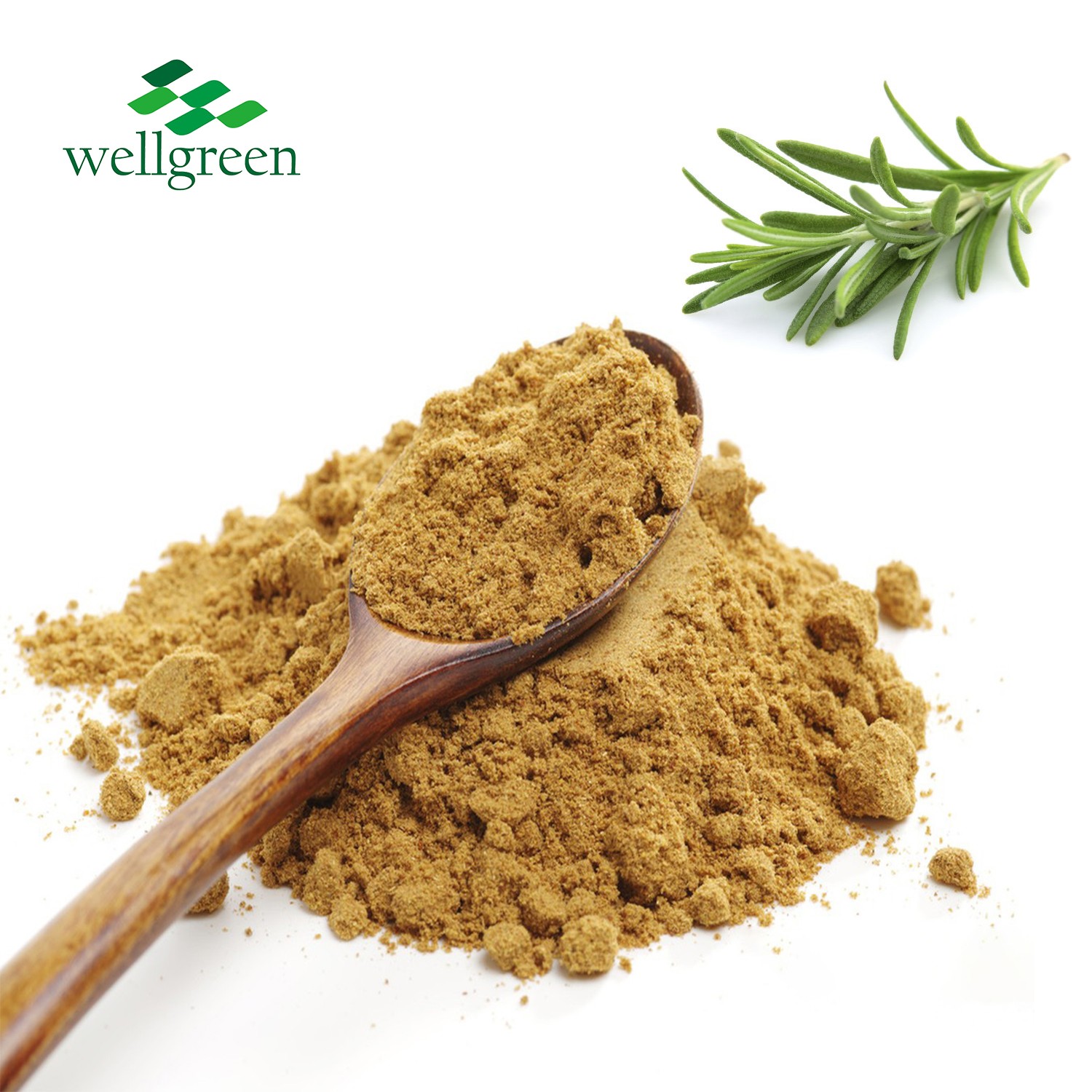
Fennel seeds have been used for hundreds of years in traditional medicine to warm the digestive system, keep Qi flowing properly, and ease stomach pain. With today's extraction methods, these historical benefits can now be concentrated into standard powder forms that can be used in modern manufacturing. The extract looks like a fine powder that is pale yellow to yellowish brown. The particles are usually ground to a size of 80 to 120 mesh so that they can flow easily and dissolve quickly. This physical consistency makes it easier to use in a variety of delivery forms, such as pressed tablets and instant beverage mixes.
Primary Therapeutic Categories
Validation of research shows that there are two main types of health benefits that are driving interest in buying. It is used in digestive wellness products because it can help reduce bloating, stop gas buildup, and improve general gastrointestinal comfort. Formulations for women's health use chemicals that help with menstrual cramps, keep hormones in balance at different times of life, and support breastfeeding. Because these two uses are so different, they give product makers a lot of options for positioning their products in different ways to appeal to different types of customers.
How Fennel Seed Extract Supports Digestive Health?
Carminative and Anti-Inflammatory Mechanisms
There is a lot of evidence that fennel seed oil can help with digestion. Trans-anethole and fenchone are carminative, which means they help get rid of gas and calm down intestinal cramps. These chemicals calm down the smooth muscle tissue in the digestive system, which stops the cramping feelings that come with functional indigestion. Clinical studies show that it works to treat Irritable Bowel Syndrome symptoms, especially bloating and stomach distension. By changing the inflammatory pathways that cause gut irritation, flavonoid ingredients also help keep the digestive system comfortable.
Formulators who are making digestive aids can use the fennel extract powder's multipurpose action profile to their advantage. Instead of just treating one symptom, the plant offers full support for the digestive system through different mechanisms that work together. People like holistic action patterns because they work with a wide range of natural answers instead of just a few synthetic compounds.
Dosage Forms and Industrial Applications
Different delivery formats are better for different types of applications and market groups. Encapsulated powder can be used for daily vitamin plans because it can be dosed precisely and last longer on the shelf. Powders that are free to flow easily into functional food mixtures, such as protein blends and meal replacement mixes. When quick dissolution is important, liquid concentrates can be added to plant teas and ready-to-drink functional drinks.
Buying choices about which format to use depend on the intended uses and the manufacturing capabilities. Companies that make supplements to help digestion usually need powder that has a controlled moisture content below 5% and particles that are all the same size so that the pill fill weight is the same. Manufacturers of drinks focus on grades that are easily mixed with water and keep the clarity of liquid systems without settling. Understanding these application-specific needs helps you negotiate with suppliers and come up with good specifications.
Safety Considerations for Regulatory Compliance
Full safety profiling helps build confidence in product development and regulatory application. Clinical studies show that recommended doses, usually 100–300 mg of standardised extract per day, are well tolerated. When you first start using it, your gut system may need some time to get used to the extra fibre and volatile oils. If you are allergic to plants in the Apiaceae family, you shouldn't use this product. Also, be careful if you are pregnant and not under medical control. Manufacturers of good products provide full safety information, such as acute toxicity studies and allergen declarations, to support GRAS status decisions and foreign regulatory filings.
Fennel Seed Extract's Role in Women's Health
Menstrual Comfort and Hormonal Support
Fennel seed extract's efficiency in reducing menstrual pain is supported by clinical study. Trans-anethole's phytoestrogenic traits change hormones in a mild way that makes cramps less painful and shorter. Studies show that pain scores go down significantly compared to the starting point. The effects are about the same as popular over-the-counter painkillers, but they are easier to handle. This clinical validation backs up product claims in the menstrual wellness areas, meeting a big need among customers and showing that botanicals work.
Regular supplementation may help keep hormones in balance in a wider sense, in addition to relieving short-term symptoms. Mood swings, breast soreness, and water retention are all better for women with premenstrual syndrome who use products with fennel. Because of these benefits, monthly subscription models and product positioning that builds trust are possible in the women's health market.
Lactation Support and Postnatal Applications
Observational studies today back up the traditional use as a galactagogue, which is a drug that makes you produce more milk. Nursing mothers say that fennel products make their milk production go up and make it easier for their babies to go down. The suggested process involves changing the oestrogenic pathway to make prolactin work better. Although there aren't many high-quality randomised controlled trials available yet, the safety record from the past and good anecdotal evidence back cautious positioning in postnatal support formulations.
When making prenatal and postnatal products, companies should use safe dose guidelines and clear labelling instructions. Working together with healthcare workers while making a product makes sure that it has the right safety messages and stands out in this sensitive application category.
Metabolic Health and Antioxidant Benefits
New study looks into metabolic benefits that are more general and affect women's health. There are flavonoids in the food that protect against reactive stress, which is linked to ageing and metabolic problems. Early research suggests that it might help with weight loss by controlling hunger and slightly speeding up the metabolism. With these extra features, you can place your product in wellness categories besides reproductive health, aimed at active women who want all-around health support.
Comparison and Quality Considerations for B2B Buyers
Botanical Differentiation and Specification Clarity
Procurement professionals must distinguish fennel seed extract from related botanicals to ensure specification accuracy. Star anise (Illicium verum) shares similar aromatic profiles but differs significantly in phytochemical composition and regulatory status in certain markets. Whole fennel seeds contain lower concentrations of active constituents compared to concentrated extracts, requiring substantially higher doses for equivalent effects. Anise seed (Pimpinella anisum) presents another commonly confused botanical with distinct but overlapping properties. Rigorous botanical identification through TLC testing prevents adulteration and ensures label claim accuracy.
Organic Certification and Quality Assurance Standards
The organic versus conventional sourcing decision influences market positioning and price points. Certified organic fennel seed extract meets USDA Organic or EU Organic standards, commanding premium pricing but accessing growing clean-label consumer segments. Conventional fennel extract powders offer cost advantages while maintaining quality when sourced from reputable suppliers with comprehensive contaminant testing protocols. Both categories require validation through third-party certifications including GMP compliance, ISO 22000 food safety management, and relevant regional quality standards.
Quality control extends beyond certification status to include rigorous analytical testing. HPLC quantification confirms trans-anethole content meeting specification ranges. Heavy metal screening ensures compliance with strict limits—lead below 3ppm, arsenic under 1ppm, cadmium beneath 1ppm, and mercury under 0.1ppm. Comprehensive pesticide panels following USP 561 or EC 396/2005 protocols address agricultural chemical residues, particularly critical given fennel cultivation practices. Microbiological testing validates total plate counts below 10,000 cfu/g with complete absence of pathogenic organisms including Salmonella, E. coli, and Staphylococcus aureus.
Formulation Selection and Bulk Purchasing Strategy
Choosing between powder, liquid, and specialized formats depends on final product requirements and manufacturing infrastructure. Spray-dried powder offers maximum stability and versatility, suitable for encapsulation, tableting, and dry blend applications. The fine particle structure—controlled within 80-120 mesh specifications—ensures uniform distribution and predictable dissolution characteristics. Packaging in moisture-proof, light-blocking aluminum foil bags under nitrogen atmosphere preserves volatile oil content and prevents oxidative degradation during storage periods up to 24 months when maintained below 25°C.
Procurement volumes influence pricing structures and supplier relationship dynamics. Manufacturers with consistent demand benefit from establishing long-term supply agreements that secure pricing stability and priority allocation during harvest fluctuations. Minimum order quantities vary by supplier, typically ranging from 25kg for initial trials to multi-ton commitments for established production lines. Strategic buyers evaluate supplier production capacity, inventory depth, and geographic diversification to mitigate supply chain disruption risks.

Procurement Guide: Sourcing Fennel Seed Extract for International Markets
Supplier Vetting and Certification Verification
Successful procurement begins with comprehensive supplier evaluation across multiple criteria. Production capacity assessment ensures suppliers can meet current requirements and scale with business growth. Site audits or third-party audit reports verify GMP compliance, proper equipment maintenance, and robust quality management systems. Regulatory documentation packages should include Certificate of Analysis for representative batches, allergen statements, GMO declarations, BSE/TSE certifications, and region-specific compliance documents supporting FDA registration or EFSA novel food status where applicable.
Supplier technical support capabilities significantly impact formulation development efficiency. Responsive manufacturers provide rapid sampling, custom specification development, and stability testing support during product optimization phases. This collaborative approach reduces time-to-market and minimizes reformulation risks.
Price Dynamics and Negotiation Strategies
Market pricing reflects multiple variables including organic certification status, extraction ratio, standardization level, and order volume. Trans-anethole content specifications significantly influence pricing, with higher potency grades commanding premium rates. Seasonal harvest cycles create price fluctuations, making strategic buying during post-harvest abundance periods advantageous. Long-term contracts with price adjustment clauses tied to transparent market indices protect both parties from extreme volatility while ensuring supply continuity.
Negotiation leverage increases when buyers demonstrate market knowledge and realistic volume commitments. Providing detailed specifications, quality requirements, and projected annual consumption enables suppliers to offer accurate pricing and identify potential customization opportunities. Payment terms, shipping responsibilities, and quality dispute resolution protocols require clear definition before finalizing agreements.
Import Compliance and Logistics Management
International procurement demands thorough understanding of destination market regulations. United States imports require prior notification through FDA's Prior Notice system, with botanical dietary ingredients subject to ingredient identity verification. European Union importations face Novel Food Regulation scrutiny depending on usage history documentation. Complete documentation packages including commercial invoices, packing lists, Certificates of Analysis, phytosanitary certificates, and country-of-origin declarations facilitate customs clearance.
Proper logistics management preserves product integrity during international transit. Temperature-controlled shipping protects volatile oil stability, particularly during summer months or tropical routing. Moisture-proof secondary packaging prevents humidity absorption during ocean freight. Insurance coverage appropriate to shipment value protects against loss or damage. Clear communication regarding Incoterms defines responsibility transfer points and cost allocation between parties.
Storage protocols upon receipt maintain extract quality throughout its shelf life. Climate-controlled warehousing below 25°C with relative humidity under 60% prevents clumping and volatile loss. First-in-first-out inventory rotation ensures older stock utilization before expiration. Regular quality verification testing at defined intervals confirms continued compliance with specifications throughout storage periods.
Conclusion
Fennel seed extract represents a scientifically validated botanical ingredient meeting growing market demand for natural digestive and women's health solutions. Its concentrated bioactive profile delivers documented benefits through multiple mechanisms, supported by traditional use history and contemporary clinical research. Successful procurement requires comprehensive evaluation of supplier capabilities, quality assurance protocols, regulatory compliance frameworks, and logistics infrastructure. Manufacturers integrating this versatile botanical into product portfolios gain competitive differentiation through evidence-backed formulations addressing significant consumer health concerns. Strategic sourcing partnerships with certified suppliers ensure consistent quality, regulatory compliance, and supply chain reliability essential for sustained market success in the expanding plant-based wellness sector.
FAQ
What is the optimal daily dosage of fennel seed extract for digestive support?
Standardized fennel seed extract typically demonstrates effectiveness at 100-300mg daily, divided into two or three doses taken with meals. The specific dosage depends on extract concentration and standardization level. Products standardized to minimum 1% trans-anethole content provide consistent potency. Formulation developers should conduct stability testing to confirm active compound retention throughout shelf life, ensuring end consumers receive effective doses. Clinical studies supporting digestive health claims typically employ this dosage range, providing evidence for marketing substantiation.
Can pregnant or nursing women safely use fennel seed extract?
Pregnancy and lactation applications require careful consideration. While traditional use suggests safety at culinary dosage levels, concentrated supplemental doses lack comprehensive clinical safety data during pregnancy. Conservative medical guidance recommends avoiding therapeutic doses during pregnancy's first trimester. Lactation support represents an established traditional application with observational evidence supporting safety and efficacy. Product labels should include appropriate precautionary statements recommending healthcare consultation before use during these sensitive periods. Manufacturers targeting postnatal markets benefit from conservative dosing recommendations and clear communication with healthcare professionals.
How can buyers identify premium-quality fennel seed extract?
Premium quality indicators include comprehensive Certificates of Analysis documenting trans-anethole content via validated HPLC methods, complete heavy metal screening showing results well below regulatory limits, pesticide panels confirming absence or minimal residues below detection limits, and microbiological testing demonstrating low total plate counts with pathogen absence. Reputable suppliers provide transparent traceability documentation linking finished extract to botanical source material. GMP certification, organic credentials where claimed, and responsive technical support distinguish quality suppliers. Sample evaluation should assess color consistency, particle size uniformity, characteristic aroma intensity, and dissolution behavior relevant to intended applications.
Partner with Wellgreen for Premium Fennel Seed Extract Supply
Wellgreen Technology stands as your trusted fennel seed extract manufacturer, delivering pharmaceutical-grade botanical ingredients that elevate your product formulations. Our GMP-certified production facility processes premium Foeniculum vulgare using validated extraction protocols, yielding standardized powders with verified trans-anethole content and comprehensive quality documentation. We maintain substantial inventory enabling rapid fulfillment of orders from trial quantities through production-scale volumes, supported by complete regulatory packages facilitating smooth import procedures and label claim substantiation.
Our technical team collaborates closely with formulation developers, providing custom specifications, stability data, and application guidance tailored to nutraceutical, functional food, and pharmaceutical requirements. Whether developing digestive wellness capsules, women's health supplements, or functional beverage formulations, Wellgreen ensures consistent supply of rigorously tested fennel seed extract meeting international quality standards. We offer flexible OEM support including private labeling services and formula optimization assistance, streamlining your path from concept to market-ready products.
Contact our procurement specialists at wgt@allwellcn.com to discuss your fennel seed extract requirements. We provide competitive quotations, technical specifications, and sample arrangements supporting informed sourcing decisions. Discover why leading brands trust Wellgreen as their botanical extract supplier for quality, reliability, and comprehensive service throughout the product development lifecycle.
References
Badgujar, S.B., Patel, V.V., and Bandivdekar, A.H. (2014). Foeniculum vulgare Mill: A Review of Its Botany, Phytochemistry, Pharmacology, Contemporary Application, and Toxicology. BioMed Research International, Article ID 842674.
Portincasa, P., Bonfrate, L., de Bari, O., Lembo, A., and Ballou, S. (2016). Irritable Bowel Syndrome and Diet. Gastroenterology Report, 4(1), 11-19.
Ostad, S.N., Soodi, M., Shariffzadeh, M., Khorshidi, N., and Marzban, H. (2001). The Effect of Fennel Essential Oil on Uterine Contraction as a Model for Dysmenorrhea, Pharmacology and Toxicology Study. Journal of Ethnopharmacology, 76(3), 299-304.
Alexandrovich, I., Rakovitskaya, O., Kolmo, E., Sidorova, T., and Shushunov, S. (2003). The Effect of Fennel Seed Oil Emulsion in Infantile Colic: A Randomized, Placebo-Controlled Study. Alternative Therapies in Health and Medicine, 9(4), 58-61.
Rather, M.A., Dar, B.A., Sofi, S.N., Bhat, B.A., and Qurishi, M.A. (2012). Foeniculum vulgare: A Comprehensive Review of Its Traditional Use, Phytochemistry, Pharmacology, and Safety. Arabian Journal of Chemistry, 9(Supplement 2), S1574-S1583.
European Medicines Agency. (2008). Assessment Report on Foeniculum vulgare Miller, Fructus and Foeniculum vulgare Miller subsp. vulgare var. dulce, Fructus. Committee on Herbal Medicinal Products, EMA/HMPC/137428/2006.