The Best Ginkgo Biloba Benefits for Your Focus & Memory
2026-06-10 14:38:03
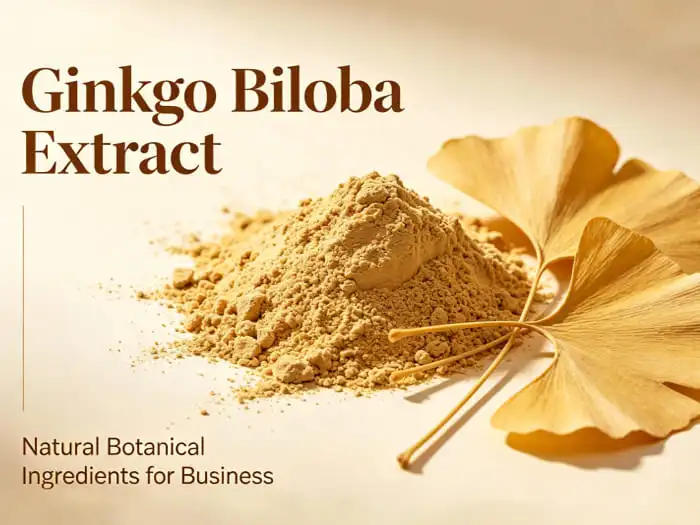
The leaves of the old Ginkgo tree are used to make ginkgo biloba extract, a strong botanical ingredient that helps brain function and mental clarity. This substance from plants is now commonly found in functional foods and nutritional supplements. It is also a key ingredient in daily formulas that support brain health and circulation. Its flavonoid glycosides and terpene lactones naturally improve neural function, making it a more useful ingredient for B2B clients making cognitive wellness products that help with focus, memory retention, and mental agility in general.
Understanding Ginkgo Biloba Extract and Its Mechanism of Action
Origins and Standardized Extraction Methods
The plant material comes from the leaves of the Ginkgo biloba plant. It was extracted using advanced methods that concentrate the active chemicals and get rid of unwanted ones, such as ginkgolic acids. Standardized extract powder, on the other hand, usually has 24% flavonoid glycosides and 6% terpene lactones, which has been proven by a thorough HPLC fingerprint study. This standardization makes sure that there is consistency from batch to batch, which is important for the safety of formulations in functional drinks, capsules, and tablets. Professionals in purchasing should be able to tell the difference between basic leaf powder and pharmaceutical-grade extracts. The latter are made through controlled solvent extraction and processing processes that keep the bioactive properties while meeting strict safety standards for ginkgolic acid content below 5ppm.
Neuroprotective and Antioxidant Mechanisms
The extract works through several biological pathways that keep neural tissue safe and improve brain performance. Flavonoid glycosides are very good at getting rid of free radicals, which protects nerves from oxidative damage that comes with getting older. Terpene lactones, especially bilobalide and ginkgolides, change nerve systems and increase blood flow to the brain by widening blood vessels. This double action improves the supply of oxygen and nutrients to brain tissue while also getting rid of reactive oxygen species. According to research, these substances also keep mitochondrial function stable and lower inflammatory signaling in neural cells. Both of these actions are directly related to keeping your mind sharp while doing mentally demanding tasks.
Comprehensive Benefits of Ginkgo Biloba Extract for Cognitive Health
Memory Enhancement and Information Retention
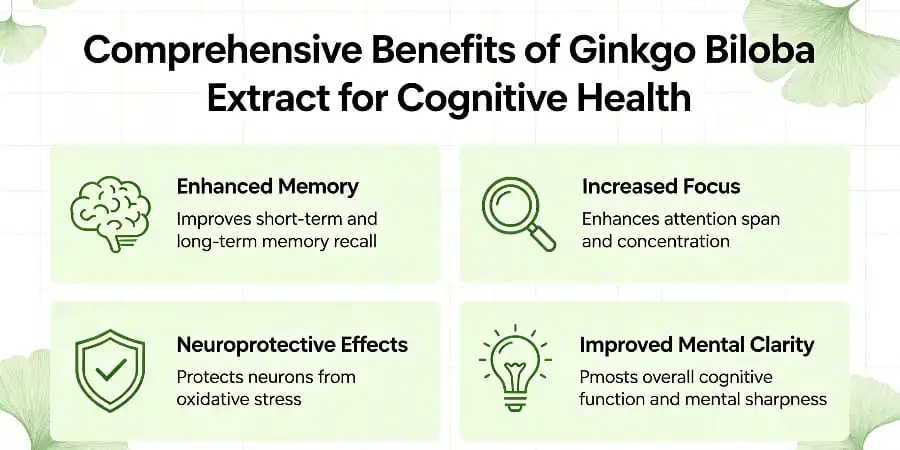
Multiple clinical studies have shown that people who take standardized Ginkgo extracts have measurable changes in their memory. The chemical makes it easier for synapses to change, which helps the brain make and remember memories more quickly. Studies that look at working memory tasks show that people who are going through cognitive changes linked to getting older are better at getting things right and remembering them quickly. This effect comes from better blood flow to the hippocampus and more acetylcholine being available. Both of these are necessary for storing new information and retrieving memories during learning activities and work tasks that require long-term mental focus.
Focus Optimization and Attention Span
In addition to helping with remembering, Ginkgo leaf extract also makes it much easier to focus and keep your attention. Users say they don't get as mentally tired after doing a lot of mental work for a long time. This is because the areas of the frontal brain that control executive function are better at using glucose. The botanical compound helps block out distracting stimuli while keeping focus on the job at hand. This makes it useful for formulas that are aimed at professionals, students, and older adults who want to improve their mental performance. For this benefit to happen, there needs to be more dopamine and stable brain firing patterns that help with selective attention when solving complicated problems.
Mood Stabilization and Stress Response
More recent studies show that the ginkgo extract powder affects mental health by changing the balance of neurotransmitters and stress hormones. Regular supplementation is linked to lower anxiety levels and higher mood scores. This may be because it increases the sensitivity of serotonin receptors and improves the control of cortisol. The antioxidant qualities also protect parts of the brain that control mood from oxidative damage caused by stress, making the body more emotionally resilient. Because of these effects, Ginkgo leaves are useful ingredients for complete mental health products that help with both mental and emotional health.
Neuroprotection Against Cognitive Decline
The compound's protective effects include long-term brain health care, showing promise for slowing down the cognitive decline that comes with getting older. The extract contains antioxidants that build up in brain tissue and protect it against oxidative stress that can lead to neurodegenerative processes. Clinical findings show that regular use may help keep cognitive function markers for a long time, which supports healthy aging. The anti-inflammatory properties of the extract also lower chronic neuroinflammation, which is known to cause cognitive decline. This makes it a useful ingredient for senior nutrition products and preventative brain health formulations.
Application Scenarios in Product Development
Ginkgo biloba leaf extract powder can be used to make a wide range of products in the brain health field, including:
Products for Brain Health: The extract is a major ingredient in daily cognitive support formulas and works well in supplements for maintenance that are aimed at busy professionals and health-conscious consumers. Manufacturers like that it has a well-known safety profile and is well-liked by consumers, which helps it become popular in nootropic blends and brain health stacks. Because the ingredient can be used in different ways, it can be easily adapted to new product trends in the cognitive enhancement area.
Supplements that work: Ginkgo extract is often found in capsules and tablets along with other plants that work well together, like ginseng and other adaptogens. This method works together to boost cognitive benefits while also addressing other aspects of wellness. Standardized extract specifications help product developers make exact dosing plans that live up to what the label says and meet what customers expect from an effective product. Because the ingredient stays stable during the encapsulation and compression processes, it can be reliably used at all output levels.
Nutritional Products for Seniors: Long-term nutritional support formulas for older people are increasingly using Ginkgo extracts as key ingredients to help keep brain health and promote healthy aging. These products work better because the compound helps blood flow and protects nerve cells. This is especially helpful for older people who are going through regular changes that come with getting older. Formulation teams like that the ingredient has a clean label and a lot of safety data that supports using it every day for a long time in geriatric wellness routines.
Comparison and Selection of Ginkgo Biloba Extract Products for Procurement
Differentiating Between Natural and Standardized Extracts
Understanding how the strength of different types of extracts varies is important for making decisions about what to buy. Standardized extracts ensure certain amounts of active compounds, which makes it possible to predict how formulations will work and how well products will work. These are tested for flavonoid glycosides and terpene lactones using HPLC-UV and HPLC-ELSD methods, which gives the analytical confidence needed for regulatory compliance. While natural extracts are good for a "clean label" image, the makeup of different batches can make quality control more difficult. Business-to-business buyers should look at traceability paperwork and ask for Certificates of Analysis that show the amounts of marker compounds meet the requirements for the uses they want to put them to use.
Quality Assurance Criteria for B2B Sourcing
Strict inspection rules protect against fraud and guarantee the authenticity of botanicals. The typical peak area ratios of quercetin, kaempferol, and isorhamnetin are checked using HPLC fingerprint analysis. This finds the illegal addition of cheaper flavonoids from Sophora japonica. Ginkgolic acid testing is an important quality checkpoint that can't be skipped because high amounts can be harmful to cells and cause allergies, so HPLC-FLD or LC-MS validation of sub-5ppm limits is needed. LC-MS/MS measurement of terpene lactones supports the presence of bilobalide, which is the most sensitive sign of a real extract. Heavy metal screening according to USP standards and multi-residue pesticide analysis make sure that all foreign markets follow the rules. This protects the brand's reputation and the safety of consumers.
Product Format Considerations
For different product plans, different delivery types offer different benefits. Powdered extracts can be used to make unique blends, drinks, and direct encapsulation, but they need to be carefully stored to keep the moisture level low. Tablets are great for mainstream supplement lines that put customer ease first because they are easy to dose and last longer on the shelf. Capsules make it possible to separate ingredients very precisely, which keeps ingredients pure and stops them from reacting with each other in complicated recipes. Liquid extracts allow for quick absorption rates that work well for functional drinks and tinctures, but they are more difficult to ship because they are sensitive to temperature and weight. When choosing the best formats for their product lines, procurement teams have to think about cost structures, target groups, and the ability to distribute the products.
Safe Usage, Dosage Guidelines, and Side Effects of Ginkgo Biloba Extract
Evidence-Based Dosage Recommendations
Based on clinical studies, the best dose ranges are 120 to 240 mg of standardized extract per day, spread out over two or three doses to keep plasma levels stable. Cognitive support formulas usually give 120 mg twice a day, which is in line with methods that show measurable improvements in memory and attention. When figuring out how much of each raw material they need, product developers should take ginkgo leaf extract standardization levels into account. This way, they can be sure that finished goods contain the right amount of active compounds. Regulatory frameworks across markets usually see these ranges as safe and effective, which makes it easier for labels to make claims that are legal as long as they are backed up by scientific evidence. Specifications for the formula should make it clear what the standardization percentages are so that correct dosing calculations can be made during the scale-up of production.
Potential Side Effects and Contraindications
Even though it's generally well-tolerated, some users report minor stomach pain, headaches, or dizziness. These problems usually go away after a while or when the dosage is slightly changed. Due to the antiplatelet effects of the extract, people who are taking anticoagulant drugs should be careful and talk to their doctors before taking supplements. Procurement managers should make sure that goods come with enough consumer education materials that stress these important points for responsible use. People who are going to have surgery soon should not use it because it could cause them to bleed, and women who are pregnant or nursing should also not use it unless their doctor tells them to. Good providers give full safety records and information on reporting bad events, which helps with figuring out the risks during the planning stages of product development.
Long-Term Safety Profile and Regulatory Considerations
Long-term safety records are reassuring when goods meet quality standards and have been used in clinical settings for decades. Regulatory bodies around the world keep monographs that spell out what specifications are accepted for commercial extracts. GMP certification and ISO compliance are basic requirements for suppliers. For regulatory audits and market surveillance responses, batch traceability tools that allow full supply chain documentation become more and more important. Buyers should make sure that suppliers keep their certifications up to date and have strong quality control systems that can quickly find and fix problems. This infrastructure guards against supply problems and makes sure that export markets always meet changing regulatory requirements.
How to Procure Quality Ginkgo Biloba Extract: Supplier Insights and Bulk Buying Tips
Essential Supplier Credentials and Verification
Selecting trustworthy manufacturing partners requires thorough due diligence on quality systems and operational capabilities. GMP certification demonstrates adherence to pharmaceutical-grade manufacturing standards, critical for products targeting regulated markets. ISO 9001 certification indicates systematic quality management, while ISO 22000 addresses food safety requirements for nutraceutical applications. Suppliers should provide detailed batch documentation including raw material sourcing records, extraction process parameters, and comprehensive analytical testing results. Carbon-14 testing capability signals premium quality assurance, verifying natural botanical origin versus synthetic compound adulteration. Site audits, when feasible, offer direct validation of production environments and quality control laboratories supporting confident supplier qualification decisions.
Wholesale Pricing Structures and Negotiation Strategies
Understanding cost drivers enables effective procurement negotiations balancing quality requirements with budget constraints. Pricing reflects raw material sourcing, extraction complexity, standardization precision, and testing protocols, with pharmaceutical-grade extracts commanding premium positioning. Volume commitments typically unlock tiered discounting structures, though buyers should verify minimum order quantities align with inventory turnover rates and storage capabilities. Payment terms, shipping incoterms, and customs considerations impact total landed costs requiring comprehensive evaluation during supplier selection. Requesting quotes from multiple qualified suppliers establishes competitive benchmarking while exploring partnership opportunities for stable, long-term supply relationships. Technical support capabilities and responsiveness to formulation inquiries add strategic value beyond unit pricing considerations.
Quality Assurance Practices for Secure Sourcing
Implementing incoming material inspection protocols protects against specification deviations and supply chain risks. Third-party laboratory verification of Certificate of Analysis claims provides independent validation of supplier-provided data, detecting discrepancies before materials enter production workflows. Establishing approved supplier lists with documented qualification criteria standardizes procurement decisions and simplifies reordering processes. Batch retention samples enable retrospective testing if customer inquiries or market feedback suggest product performance variations. Building strategic relationships with suppliers invested in quality excellence and continuous improvement fosters collaborative problem-solving when formulation challenges arise, creating competitive advantages through superior ingredient performance and consistency.
Conclusion
Ginkgo biloba extract represents a scientifically substantiated, commercially viable ingredient for cognitive health product development across diverse market segments. Its multifaceted benefits, encompassing memory enhancement, focus optimization, and neuroprotection, align with growing consumer demand for natural brain health solutions. Procurement professionals equipped with knowledge of quality criteria, formulation considerations, and supplier evaluation standards can confidently integrate this botanical ingredient into product portfolios, delivering genuine cognitive wellness value. The ingredient's established safety profile, regulatory acceptance, and formulation versatility position it as a cornerstone component in the expanding cognitive supplement category, offering compelling opportunities for brands committed to evidence-based product innovation.
FAQ
What distinguishes Ginkgo biloba extract from raw leaf powder?
Standardized extract powder undergoes controlled extraction, concentrating active flavonoid glycosides and terpene lactones to specific percentages, typically 24% and 6%, respectively, with verified removal of ginkgolic acids below safety thresholds. Raw leaf material contains highly variable compound levels and elevated ginkgolic acid concentrations presenting safety concerns and lacking the pharmaceutical-grade consistency required for reliable formulation performance and regulatory compliance across international markets.
Can Ginkgo extract be combined with other cognitive supplements?
The botanical ingredient pairs effectively with complementary compounds, including omega-3 fatty acids, B vitamins, and adaptogenic herbs like ginseng, creating synergistic cognitive support formulations. Proper formulation design accounts for potential interactions, particularly with anticoagulant compounds, ensuring safety while amplifying benefits through complementary mechanisms of action, addressing multiple dimensions of cognitive wellness.
How can buyers verify Ginkgo extract quality in bulk shipments?
Requesting Certificates of Analysis with HPLC fingerprint data, ginkgolic acid quantification, heavy metal screening, and pesticide residue testing provides baseline quality verification. Independent third-party laboratory testing of retained samples confirms supplier claims, while ongoing batch monitoring detects quality drift. Establishing direct communication with supplier quality departments enables rapid resolution of specification questions and strengthens quality assurance partnerships supporting long-term sourcing relationships.
Partner with Wellgreen for Premium Ginkgo Biloba Extract Supply
Wellgreen Technology operates as a specialized ginkgo biloba extract manufacturer delivering pharmaceutical-grade botanical ingredients to global nutraceutical, pharmaceutical, and functional food sectors. Our GMP-certified production facility maintains rigorous quality control protocols, including comprehensive HPLC fingerprinting, validated ginkgolic acid testing, and complete heavy metal screening, ensuring every batch meets international regulatory standards. We offer flexible order minimums supporting both emerging brands and established manufacturers, backed by extensive inventory enabling rapid delivery timelines that keep your production schedules on track.
Our technical team provides formulation support and custom specifications tailored to your product development objectives, whether you require water-soluble powders for beverage applications or precisely standardized extracts for encapsulation. Complete documentation packages, including Certificates of Analysis, stability data, and regulatory support files, streamline your compliance processes across target markets. Experience the reliability of working with a dedicated botanical extract supplier committed to your success. Contact Wellgreen at wgt@allwellcn.com to request samples, discuss your specific requirements, or obtain detailed quotations for your next ginkgo biloba extract procurement.
References
DeKosky, S.T., Williamson, J.D., Fitzpatrick, A.L., et al. (2008). "Ginkgo biloba for Prevention of Dementia: A Randomized Controlled Trial." Journal of the American Medical Association, 300(19), 2253-2262.
Birks, J., & Grimley Evans, J. (2009). "Ginkgo biloba for Cognitive Impairment and Dementia." Cochrane Database of Systematic Reviews, Issue 1, Article CD003120.
Mix, J.A., & Crews, W.D. (2002). "A Double-blind, Placebo-controlled, Randomized Trial of Ginkgo biloba Extract EGb 761 in a Sample of Cognitively Intact Older Adults: Neuropsychological Findings." Human Psychopharmacology: Clinical and Experimental, 17(6), 267-277.
Mahady, G.B. (2002). "Ginkgo biloba for the Prevention and Treatment of Cardiovascular Disease: A Review of the Literature." Journal of Cardiovascular Nursing, 16(4), 21-32.
Sierpina, V.S., Wollschlaeger, B., & Blumenthal, M. (2003). "Ginkgo biloba." American Family Physician, 68(5), 923-926.
McKenna, D.J., Jones, K., & Hughes, K. (2001). "Botanical Medicines: The Desk Reference for Major Herbal Supplements." Journal of Alternative and Complementary Medicine, 7(3), 289-290.