What Is Yucca Extract Feed Grade Used for in Animal Feed Applications?
2026-09-10 11:28:28
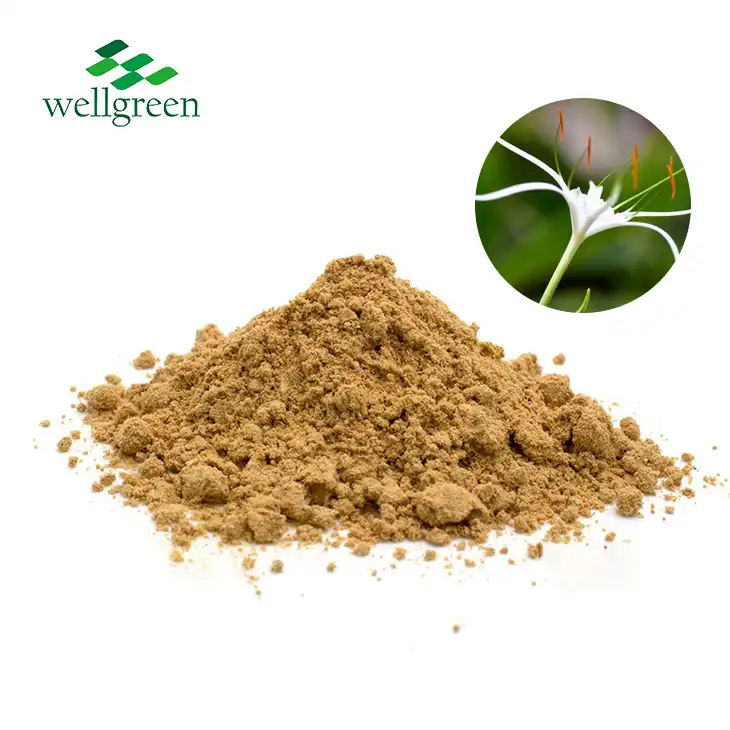
Yucca Extract Feed Grade, derived from Yucca schidigera, is a standardized botanical ingredient widely used in modern animal nutrition. Its core active compounds — steroidal saponins — work by binding ammonia molecules in the digestive tract and manure, reducing harmful gas emissions in livestock facilities. Beyond odor control, it supports gut health, improves feed conversion ratios, and promotes overall animal performance. Procurement managers across the poultry, swine, cattle, and aquaculture sectors increasingly specify this ingredient as part of clean-label, antibiotic-reduction feed strategies.

Understanding Yucca Extract Feed Grade and Its Mechanism in Animal Feed
Animal feeding studies have looked into Yucca Extract Feed Grade a lot. The steroidal saponins in the plant work with urease-producing bacteria in the hindgut to stop the production of ammonia at the microbial level. The extract has polyphenolic compounds that act as antioxidants and help keep the mucosa intact. This two-way action sets Yucca Extract Feed Grade material apart from cosmetic or pharmaceutical versions, which are made to target very different bioactivity profiles.
How Saponins Control Ammonia at the Molecular Level?
Saponins connect with nitrogen-containing chemicals, mostly urea and ammonia intermediates, and stop them from changing into something else and then escaping into the air. A study in Poultry Science (Colina et al., 2001) that was reviewed by experts showed that adding Yucca Extract Feed Grade to the food of broiler chickens lowered the amount of ammonia in the air. This drop was statistically significant. This process has been studied in a lot of different species, and it is now scientifically sound enough to be used in businesses.
Why Feed Grade Differs from Other Extract Grades?
Standardization of saponin, contamination levels for heavy metals and microbiology, and the ability of powder to flow for industrial premix mixing are the most important Yucca Extract Feed Grade specifications. Wellgreen offers saponin concentrations from 10% to 98%, and the particle size can be changed to meet the needs of different premix and pelleting processes. This level of standard control is very important in large-scale continuous feed production, where formulation accuracy is lost when batches are not the same.
Benefits and Practical Uses in Various Livestock Species
Adding Yucca Extract Feed Grade to animal feeds makes a difference in a number of performance factors that can be measured. The ingredient has been used for a long time in nutrition programs for poultry, pigs, ruminants, and fish. These are the main functional benefits that procurement managers and formulation teams always talk about:
- Ammonia emission reduction: Steroid saponins stop ammonia from escaping from manure, which lowers the amount of ammonia in the air around cattle buildings that are closed off. Less exposure to ammonia directly lowers the risk of lung diseases and lowers the cost of medicines.
- Improved Feed Conversion Ratio (FCR): When animals are in a barn that isn't as stressful, they don't react to stress as badly, which means their metabolism doesn't have to work as hard to grow. Documented FCR improvements in broilers and finishing pigs help feed manufacturers figure out their return on investment (ROI).
- Gut microbiome modulation: Saponins have specific antimicrobial action that helps good bacteria grow while killing bad bacteria. This improves the health of the gut lining and the absorption of nutrients.
- Aquaculture suitability: Powders that dissolve in water can be added to pelleted fish and shrimp feeds, which are good for aquaculture because ammonia buildup in recirculating systems is bad for both output and animal health.
These benefits directly lead to lower operating costs, less need for antibiotics, and better sustainability credentials, all of which are priorities that are becoming more important in the US market when it comes to buying things.
The usual inclusion rate is between 50 and 150 grams per metric ton of full feed, but this can change depending on the species being targeted and the amount of saponin present. Always match the dose to the exact assay level of the batch being used. This is exactly why Yucca Extract Feed Grade requirements must be met in order to buy something.
Comparing Yucca Extract Feed Grade with Other Feed Additives
In the past, synthetic ammonia inhibitors and acidifiers have competed with plant saponin sources in the market for feed additives. But the clean-label movement and government pressure against some synthetic compounds have changed what formulators want. Zeolite-based binders physically remove ammonia, but they add a lot of bulk to premixes and don't stop the production of ammonia in the gut. Some of the functions of quillaja saponin extracts are the same, but the chemistry of the saponins and the dose-response profiles are different.
Where Yucca Saponins Hold a Competitive Edge?
Yucca Extract Feed Grade is a single ingredient that has very low inclusion rates but has been shown to suppress ammonia and promote growth. When you look at the lower number of veterinary visits and higher output rate, the cost-per-performance ratio is positive. When suppliers offer certified, traceable material with valid COAs, buying teams can keep track of the paperwork they need for FAMI-QS and GMP checks.

Purchasing and Procurement Guide for Yucca Extract Feed Grade
To find your way around the world supply base for botanical feed additives, you need to look at more than just catalog entries. Instead of unit price alone, the most important things to consider when buying are the supplier's quality systems, batch consistency data, and the dependability of the logistics.
Before making a large order, it is important to get a Safety Data Sheet, reports on heavy metal and microbial contamination, a Certificate of Analysis with saponin assay results and testing methods, and proof of FAMI-QS or a similar quality system certification. These papers prove that the supplier makes things in a controlled environment and not just repackages things whose origin isn't clear.
Packaging and keeping damp out are also important. Yucca Extract Feed Grade botanical powders absorb water; the right multi-layer kraft or PE-lined bags with desiccant added keep the powders flowing and stop them from caking during ocean freight. Before signing a large-volume deal, make sure the shelf life data is correct when stored in a certain way.
The Future of Yucca Extract Feed Grade in Animal Nutrition
Antibiotic growth promoter (AGP) phase-outs are happening around the world, especially because of US FDA Guidance 213 and similar EU rules. This is making more room in the market for feed functional ingredients that come from plants. In this market, Yucca Extract Feed Grade is very strong because its effectiveness is supported by decades of peer-reviewed studies, not just claims made by the company itself.
Customization is becoming a big part of what sets one provider apart from another. OEM clients and private-label feed brands now ask for customized amounts of saponin, specific granulation for micro-dosing systems, and mixes made with Yucca Extract Feed Grade and other plant actives. Suppliers who can support these R&D iterations without having to meet minimum order quantities quickly become preferred vendors.
Publicly traded feed businesses no longer have a choice but to align the sources of botanical ingredients with their ESG reporting systems. Regulatory filings and investor messages are both backed up by plant supply lines that can be tracked and proof that controlling ammonia has less of an effect on the environment.
Conclusion
In conclusion, there is still a lot of proof that Yucca Extract Feed Grade powder is one of the most useful and flexible botanical feed additives for animals. Its steroidal saponin content has been shown to reduce ammonia, help digestion, and improve performance in chickens, pigs, cattle, and fish farms. This ingredient is a long-lasting and cost-effective part of sustainable feed programs for procurement managers who put a high value on standardized saponin tests, full quality paperwork, and a dependable bulk supply. As AGP restrictions get tighter around the world and demand for clean labels grows, this ingredient will become even more important in modern formulations.
FAQ
What is the typical inclusion rate for yucca extract in livestock feed?
The normal amount of inclusion is between 50 and 150 grams per metric ton of whole feed. The exact number varies on the type of animal being tested and the amount of saponin in the product batch. To get the same functional benefit, materials with higher assays need proportionally less addition. Always do what the manufacturer says for your specific batch.
Is yucca extract safe for use in poultry and swine diets?
Yes, Yucca Extract Feed Grade is safe when added at the recommended rates, as shown by many feeding tests and regulatory reviews in the US and EU. Generally Recognized as Safe (GRAS) means that the US Food and Drug Administration (FDA) says it is safe for certain uses and has not been shown to be harmful at amounts used in commerce.
How does yucca saponin compare to synthetic ammonia reducers?
Yucca Extract Feed Grade works on a biological level in the digestive tract to stop the production of ammonia before it is flushed out of the body. Most of the time, synthetic inhibitors work after the animal has pooped or soiled. Saponins work differently in animals, which means they have health benefits for guts that man-made replacements can't match.
What saponin concentrations does Wellgreen offer?
Wellgreen sells Yucca Extract Feed Grade with 10% to 98% steroidal saponins. The particle size and concentration can be changed to fit the needs of any formulation.
Partner with Wellgreen for Reliable Yucca Extract Feed Grade Supply
Wellgreen Technology is a producer and seller of Yucca Extract Feed Grade that is GMP-certified and has standard saponin specifications ranging from 10% to 98%. They can also supply in bulk and have quality documentation that is in line with FAMI-QS. You can count on our team to help you with your purchase, whether you need a trial sample, a unique design, or a long-term OEM supply agreement. To get a COA or talk about product needs, email wgt@allwellcn.com or go to wellgreenherb.com right now.
References
1. Colina, J.J., et al. "Effect of Dietary Inclusion of Yucca schidigera Extract on Broiler Performance and Litter Ammonia Levels." Poultry Science, 2001.
2. Cheeke, P.R. "Actual and Potential Applications of Yucca schidigera and Quillaja saponaria Saponins in Human and Animal Nutrition." Journal of Animal Science, 2000.
3. Headon, D.R., & Dawson, R. "The Mode of Action of Saponins from Yucca schidigera in Reducing Aerial Ammonia Concentration in Animal Production." Biochemical Society Transactions, 1990.
4. Wang, S.L. et al. "Dietary Yucca schidigera Extract supplementation on Growth Performance and Intestinal Microflora in Broilers." Animal Feed Science and Technology, 2008.
5. European Food Safety Authority (EFSA). "Safety and Efficacy of Yucca schidigera Extract as a Feed Additive for Various Animal Species." EFSA Journal, 2013.
6. National Research Council (NRC). Nutrient Requirements of Poultry, 9th Revised Edition. National Academies Press, 1994.