Why Is Red Clover Extract Powder Gaining Traction Beyond Menopause Support?
2026-04-10 14:09:08
Beyond its usual use to help with menopause, red clover extract powder is seeing huge growth in a wide range of fields. This plant ingredient comes from the blooming tops of Trifolium pratense. It has standardized amounts of biochanin A, formononetin, genistein, and daidzein, with levels ranging from 8% to 40%. Scientists have now found that these phytoestrogen compounds can be used in many different ways to help with heart health, skin problems, and functional foods. This extract is a valuable resource for companies that want to make clean-label products with ingredients that people will like.
Understanding Red Clover Extract Powder: Beyond the Basics
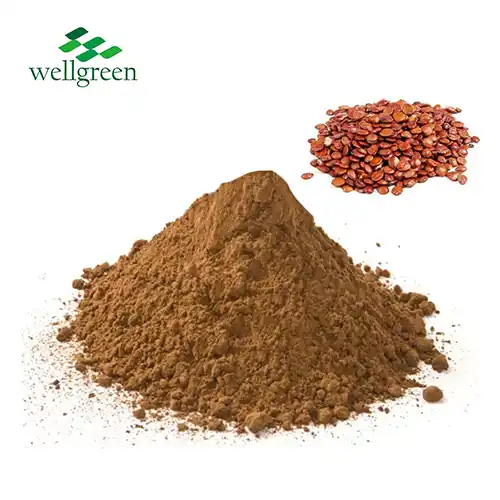
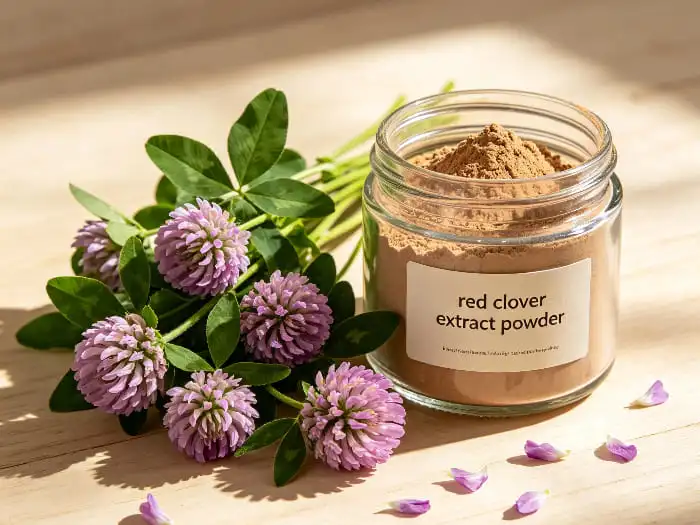
Red clover extract powder is a highly standardized plant ingredient that comes from Trifolium pratense L., a leguminous plant that is grown for its bioactive flowering tops and upper parts. The process of extraction creates a brownish-yellow to greenish powder that is high in isoflavones, which are the main chemicals that give it its healing effects.
Composition and Active Compounds
There are four main isoflavones that do the work: biochanin A, formononetin (methylated precursors), genistein, and daidzein, which are products of biochanin A and formononetin. Standardized goods usually have total isoflavone concentrations of 8%, 20%, or 40%, according to high-performance liquid chromatography analysis. Flavonoids, phenolic acids, and important micronutrients are also found in this plant material and help it do its biological job. Pharmaceutical-grade red clover extract is different from herbal powders that aren't standardized because it goes through strict quality control to make sure that each batch is the same. This is very important for people who are making dietary supplements, functional drinks, and cosmetics.
Historical and Traditional Applications
Herbalists have known for a long time that red clover can help women stay healthy during times of change in their reproductive health. In European and Native American healing practices, it was used to deal with changes in hormones and keep the skin clear. With today's extraction methods, these traditional benefits can be concentrated into doses that are consistent, easy to measure, and good for industrial production.
Safety Profile and Recommended Dosages
Standardized isoflavone extracts are usually safe to use according to clinical studies as long as you follow the directions. Doses for dietary supplements usually run from 40 mg to 80 mg of total isoflavones per day, but exact instructions depend on the people who will be taking the supplements and the health results that are wanted. Protocols for third-party testing make sure that the levels of heavy metals, pesticide residues, and microbes are in line with international standards like USP, EP, and FDA recommendations. By knowing these factors, procurement teams can figure out if a product meets the needs of a certain formulation while also meeting safety standards for consumers.
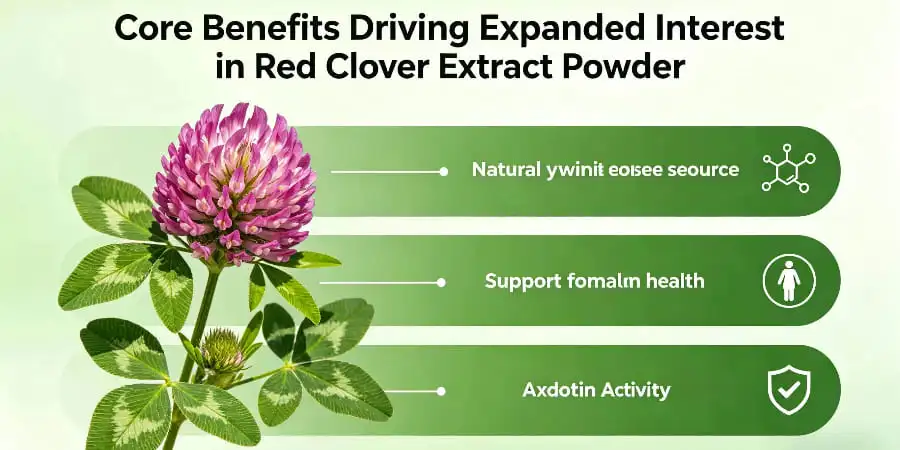
Core Benefits Driving Expanded Interest in Red Clover Extract Powder
Supporting women during menopause is still an important use, but study has shown that this ingredient has many other uses in different health categories as well.
Hormonal Balance and Menopause Symptom Relief
It is known that the isoflavone profile selectively affects estrogen receptors, especially estrogen receptor beta. This system helps ease vasomotor symptoms like night sweats and hot flashes without the risks that come with synthetic hormone replacement. Statistically significant decreases in the number and severity of symptoms have been seen in clinical studies. This extract is now an important part of many women's health products for women going through or having gone through menopause.
Antioxidant Properties and Skin Health Applications
Biochanin A and formononetin are very good at getting rid of free radicals, which protects cell structures from oxidative stress. Cosmetologists who work with cosmetics use this red clover extract in anti-aging serums and creams at amounts ranging from 0.5% to 2.0%. These mixtures are meant to stop collagen breakdown and photoaging. Studies done in the lab have shown that they increase fibroblast activity and make skin elasticity measures better. The extract can stop 5-alpha-reductase from working and help control sebum, which makes it useful for acne-prone skin.
Cardiovascular and Bone Health Support
New study shows that isoflavones have a positive effect on how fats are used and how well blood vessels work. Several controlled studies show that people who took standardized extracts had lower levels of HDL cholesterol and more flexible arteries. The phytoestrogen activity also seems to support bone mineral density by changing the activities of osteoclasts and osteoblasts. This opens the door for formulas that aim to improve bone health in older people. These heart and bone benefits make the ingredient more useful than just for one gender, which lets the product be positioned for general health markets.
Anti-Inflammatory Effects
The flavonoid complex blocks cyclooxygenase and lipoxygenase, which helps lower inflammatory markers in preclinical studies. This extract's ability to reduce inflammation makes it more useful in joint health products and topical treatments for skin conditions that are sensitive or reactive.
Comparing Red Clover Extract Powder with Alternative Options
When making choices about what to buy, it's important to carefully consider botanical sources, processing methods, and final product specifications in order to get the best results and the lowest cost.
Red Clover Extract Powder Versus Red Clover Tea
Traditional tea recipes do contain some isoflavones, but the extraction process isn't always accurate, and the isoflavones break down over time. Extract powders that have been standardized have 10 to 50 times higher concentrations of active compounds than other dosage types. The powder form lets you precisely control the formulation, gets rid of the batch variation that comes with herbal drinks, and provides better stability when kept away from light and moisture. When it comes to business production settings that need validated specifications, manufacturing scalability strongly favors extract powders.
Comparison with Soy Isoflavones
Both plant sources contain phytoestrogens, but their isoflavone profiles are very different. Biochanin A and formononetin are found in bigger amounts in red clover. These chemicals are changed by the body into genistein and daidzein. This wider range may offer benefits that can't be found in goods made from soy. The way they are positioned in the market is also different. Red clover speaks to people who want non-soy alternatives because they are allergic to soy or want to avoid GMOs. Product designers can use these differences to make supplements that stand out from others in the same category.
Organic Versus Conventional Grades
Organic certification adds recorded traceability and adherence to standards for sustainable agriculture, which is why it costs more. Most of the time, conventional types that meet strict limits on pesticide residue offer the same level of safety at lower prices. The choice depends on what the target market wants, what the rules are in certain places, and how the business is positioned. For both choices, you need full records of analysis that show the amount of heavy metals, microbes, and active compounds present.
Powder Versus Encapsulated Forms
Bulk powder gives makers the most formulation options when they are making their own blends, functional foods, or custom dosage amounts. Encapsulated products are good for contract makers or brands that hire outside companies to do the encapsulation work. Powder form usually has better unit economics for making a lot of things, but it needs to be handled in a controlled way so that it doesn't absorb moisture. The format should be chosen based on the manufacturing skills and production volumes.
Procurement Insights: How to Source High-Quality Red Clover Extract Powder?
To get a steady supply of red clover powders that are safe for use in medicine, you need to carefully evaluate and check the quality of your suppliers.
Supplier Qualification and Certification Standards
Priority suppliers keep their Good Manufacturing Practice certifications up to date from well-known auditing groups. Standard operating methods, equipment calibration records, and environmental monitoring data are all things that are written down in transparent quality management systems. Manufacturers with a good reputation let you inspect their facilities and keep their ISO 9001 quality management certification and any other credentials that are specific to their business. Established suppliers usually work with big brand-name supplement companies, which shows that they can regularly meet strict commercial requirements.
Quality Control and Testing Protocols
Full lab reports should show HPLC fingerprinting for isoflavone composition, making sure that the amounts of biochanin A, formononetin, genistein, and daidzein are within the acceptable range. The amount of lead, cadmium, mercury, and arsenic found in the sample meets the standards set by Proposition 65 and the pharmacopoeial community. Organochlorine, organophosphate, and pyrethroid residues are checked for by pesticide screening screens. Total plate counts, yeast, mold, and pathogen absence are all confirmed by microbiological tests. For procurement teams that don't want to take risks, third-party laboratory verification from independent testing sites adds important validation.
Pricing Structures and Minimum Order Quantities
Price levels based on volume usually start at a minimum of 25 kg for first test orders. At 100 kg, 500 kg, and metric ton quantities, unit costs drop by a lot. Price protection clauses and scheduled delivery arrangements that keep supply costs stable are common in bulk buying agreements. Payment terms, lead times, and incoterms have a big effect on overall landed costs, and they should be taken into account along with unit pricing when choosing a supplier.
Logistics and Distribution Channels
Botanical extract providers with a lot of experience keep their warehouses in a climate-controlled environment and use tested packaging that keeps the extracts safe from light, moisture, and oxidation while they're in transit. Direct ties with manufacturers often lead to better prices than dealing with middlemen distributors. However, established importers can offer consolidated shipping and easier customs clearance. Online business-to-business (B2B) platforms help people find suppliers at the start, but direct technical communication channels are better for long-term relationships. Formulation teams can check how well a product works before committing to large amounts by asking for samples with full analytical paperwork.
Integrating Red Clover Extract Powder into Your B2B Product Line
To successfully add botanical extracts to commercial formulations, it is important to pay attention to regulatory compliance standards, optimizing dosage, and finding ingredients that work well together.
Application Across Industry Segments
Nutraceutical companies make pills, tablets, and softgels that are good for women's health, heart health, and general wellness. Labels for finished goods usually say that each serve has 40 mg to 80 mg of total isoflavones. Functional beverage makers have to deal with more difficult technical issues. They need to make forms that dissolve in water or are encased in tiny bubbles to keep them from settling and hide plant notes. At concentrations of 0.5% to 2.0%, this extract is used by personal care makers in hair care products, anti-aging creams, and facial serums as both an active ingredient and an antioxidant that helps the products last longer.
Formulation Strategies and Ingredient Synergies
Adding complementary plants to red clover extract often makes it work better and make it easier to sell. For full hormonal support, it is often mixed with black cohosh, chasteberry, or dong quai in menopause formulas. Coenzyme Q10, hawthorn extract, or omega-3 fatty acids may be in cardiovascular products. Combinations of vitamin D3, vitamin K2, and calcium are good for bone health items. By understanding these synergies, product developers can make unique products that have better clinical justifications than products with only one ingredient.
Regulatory Compliance and Labeling Considerations
The DSHEA law in the US regulates dietary supplements and requires correct labeling of ingredients, correct structure-function claims, and agreement with current Good Manufacturing Practices. Novel food regulations and state supplement directives from the European Union add more rules. Labels on finished goods must make it clear where the botanicals came from, what part was used, the extraction ratio or standardization level, and the suggested dose. To keep marketing claims from leading to drug classification, claims should focus on general wellness support instead of disease care. Before going on the market, regulatory experts should look over the formulations and labels to make sure they are legal in all the target countries.
Conclusion
Red clover extract powder used to be just for women going through menopause, but now it's a flexible botanical raw material used in many health and beauty products. Its standardized isoflavone content, along with growing clinical study, makes it a reliable ingredient for formulators to use when making products that help with heart health, skin aging, bone health, and hormonal balance. The ingredient's clean label appeal and non-soy positioning meet current customer tastes, and it also has technical benefits in terms of consistency in formulation and manufacturing scalability. As scientists learn more about how phytoestrogens work, this plant product will probably be used in more preventative health and functional nutrition markets. Strategic relationships with certified suppliers make sure that you can get quality-checked materials that meet the high standards that today's health-conscious consumers demand.
FAQ
Is long-term use of red clover extract safe?
Clinical trials spanning up to 12 months have documented favorable safety profiles for standardized isoflavone extracts at typical supplementation dosages. Periodic monitoring and consultation with healthcare providers remain advisable for individuals with hormone-sensitive conditions. Comprehensive toxicology studies support the ingredient's classification as Generally Recognized as Safe when used according to established guidelines.
How does isoflavone content affect product quality?
Isoflavone concentration directly correlates with biological activity and dosage requirements. Higher standardization levels enable smaller serving sizes and more concentrated formulations. Batch-to-batch consistency in isoflavone composition, verified through HPLC chromatography, ensures predictable product performance and supports accurate label claims. Quality suppliers provide detailed certificates of analysis documenting the four major isoflavones individually.
What are best practices for bulk storage?
Store sealed containers in cool, dry environments below 25°C with relative humidity under 60%. Protection from direct light prevents photodegradation of sensitive compounds. Proper storage maintains potency and prevents moisture-related caking for 24 months. Once opened, containers should be resealed immediately and used within six months for optimal stability.
Partner with Wellgreen for Premium Red Clover Extract Powder
Wellgreen Technology operates as a professional botanical extract powder supplier with GMP-certified manufacturing facilities ensuring pharmaceutical-grade quality standards. Our red clover extract powder inventory includes multiple standardization levels—8%, 20%, and 40% total isoflavones—supported by comprehensive certificates of analysis featuring HPLC fingerprinting, heavy metal testing, and pesticide screening. We accommodate flexible minimum order quantities suitable for both product development trials and commercial-scale production. Our technical team provides formulation guidance, regulatory documentation support, and rapid sample delivery to accelerate your product development timeline. Contact our procurement specialists at wgt@allwellcn.com to discuss bulk pricing, request analytical documentation, or arrange complimentary samples. Discover how partnering with a reliable red clover extract powder manufacturer strengthens your supply chain and enhances your competitive positioning in growing wellness markets.
References
Booth, N.L., Piersen, C.E., Burdette, J.E., Nikolic, D., Chen, S.N., Bolton, J.L., van Breemen, R.B., Farnsworth, N.R., & Pauli, G.F. (2006). Clinical studies of red clover (Trifolium pratense) dietary supplements in menopause: a literature review. Menopause, 13(2), 251-264.
Křížová, L., Dadáková, K., Kašparovská, J., & Kašparovský, T. (2019). Isoflavones. Molecules, 24(6), 1076.
Lipovac, M., Chedraui, P., Gruenhut, C., Gocan, A., Kurz, C., Neuber, B., & Imhof, M. (2012). The effect of red clover isoflavone supplementation over vasomotor and menopausal symptoms in postmenopausal women. Gynecological Endocrinology, 28(3), 203-207.
Occhiuto, F., Pasquale, R.D., Guglielmo, G., Palumbo, D.R., Zangla, G., Samperi, S., Renzo, A., & Circosta, C. (2007). Effects of phytoestrogenic isoflavones from red clover (Trifolium pratense L.) on experimental osteoporosis. Phytotherapy Research, 21(2), 130-134.
Sabudak, T., & Guler, N. (2009). Trifolium L.—A review on its phytochemical and pharmacological profile. Phytotherapy Research, 23(3), 439-446.
Terzic, M.M., Dotlic, J., Maricic, S., Mihailovic, T., & Tosic-Race, B. (2012). Influence of red clover-derived isoflavones on serum lipid profile in postmenopausal women. Journal of Obstetrics and Gynaecology Research, 38(10), 1273-1279.