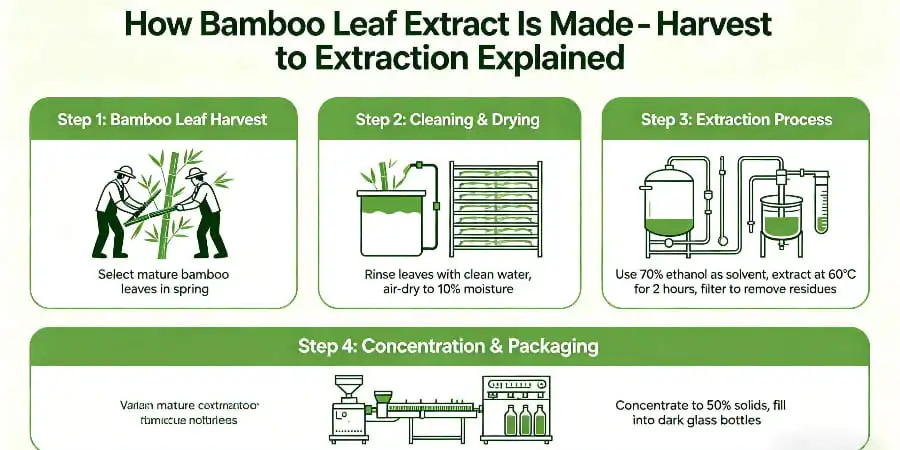
How Bamboo Leaf Extract Is Made: Harvest to Extraction Explained
2026-04-17 14:19:47
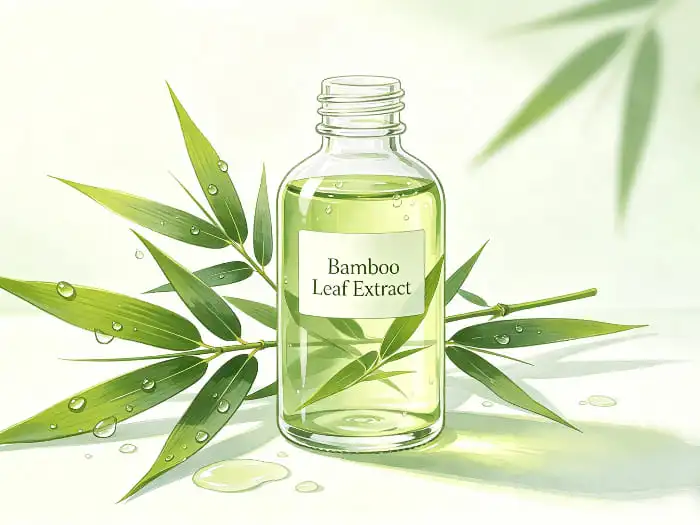
The leaves of Phyllostachys species (moso bamboo) or Lophatherum gracile (bamboo leaf grass) are used to make a natural ingredient called bamboo leaf extract. When fresh leaves are harvested and extracted in very controlled ways, they are turned into a powder that is high in flavonoids, phenolic acids, polysaccharides, and organic silica. Figuring out this process from the field to the finished item helps people who buy things figure out how good a source is and make sure they get materials that meet the high standards needed for uses in cosmetics, nutrition, medicine, and functional foods.
Understanding Bamboo Leaf: Source and Harvesting
To make a good plant extract, some things need to be done before the lab equipment is used. When you make a medicine from bamboo, the type of bamboo you use directly affects the phytochemicals and medicinal ingredient concentration.
Botanical Species Selection
There are two main types of plants that are used for making money. Many people call this plant Lophatherum gracile, or bamboo leaf grass. It grows best in subtropical conditions and has very flavonoid-rich leaves. This plant, Phyllostachys edulis, Phyllostachys nigra var. henonis, and others like it has a lot of organic silica and vitamins that work well with them. You will need to pick the right species whether your recipe is focusing on flavonoid concentration (10% to 50%) or organic silica content (50 to 75%). People who make bone health supplements or beauty-from-within capsules need to know about these plant differences when they talk to providers about technical requirements.
Optimal Harvesting Practices
When you use it affects how strong it is. The most active markers are found in fully grown leaves that were picked at certain times during their growth. Some grow sites look for signs that the leaves are fully grown and pick only the best ones in terms of color and shape. Harvesting methods that are good for the environment and plants protect yearly yields that stay steady. This directly affects the long-term supply stability for both OEM manufacturers and private-label manufacturers.
Depending on the size and location of the farm, harvesting can be done by hand or with tools that are partly automatic. Quality control can be done at the source by picking each leaf by hand and getting rid of any bad or sick leaves before they go into the processing lines. This first-rate gate keeps things from getting dirty and cuts down on the need for extra cleaning.
Post-Harvest Handling and Preparation
There is a big difference in how much biological material is kept depending on how long it has been since the harvest. Clean water is used to get rid of dirt, dust, and other surface pollutants right away when fresh leaves are cleaned. Next, the temperature is controlled while drying. This is done in a way that gets rid of the moisture while also breaking down chemicals that are sensitive to heat. Controlled air drying or low-temperature vacuum drying lowers the water content to a point where microbes can't grow while the food is being kept. This keeps the structure of the food intact.
If you store raw materials correctly, they will keep their quality until they are used. Weather-controlled warehouses that keep an eye on humidity stop reactive breakdown and keep the phytochemical stability that is needed for each batch to work the same way. When buying managers are trying to figure out how reliable a seller is, asking about how the goods are handled after they are picked can tell them more about the quality management system than just the certifications.
Extraction Methods Explained: From Leaf to Liquid
Using modern extraction methods, dried leaves are turned into concentrated powders that have standard profiles of active compounds. The methodology picked has a big impact on the features, scalability, and suitability for use of the product.
Traditional Versus Modern Extraction Techniques
In the past, processes like maceration and decoction were used in traditional medicine, but they aren't precise enough for B2B uses, especially when working with bamboo leaf powder. Maceration is the process of soaking plant matter in solvents for a long time, which results in different amounts and levels of purity. When you boil water in a decoction, heat-sensitive flavonoids and phenolic acids are often broken down, which lowers its medicinal potential.
These problems can now be fixed with more advanced technologies used in modern industrial mining. Ultrasonic-assisted extraction uses high-frequency sound waves to break down cell walls. This makes extraction much more effective while also lowering the amount of solvent needed and the time it takes to do the process. This method works well for large-scale production where saving energy and protecting the environment are important to the company's social goals.
For uses that need complete purity and solvent-free approval, supercritical CO₂ extraction is the gold standard. When carbon dioxide is in its supercritical state, it removes only the compounds you want without leaving behind any other chemicals. The process works at lower temperatures, which protects bioactives that are sensitive to heat while making extracts that are great for cosmetics and pharmaceuticals. This method is only economically possible for high-value product lines, though, because it requires a lot of money and work to run.
A good balance is reached with advanced solvent extraction that uses food-grade ethanol or mixes of water and ethanol. This method produces large amounts of pure material with good thermal stability and low cost, making it ideal for making dietary supplements and useful foods. Different types of solvents and concentration ratios can be changed to extract certain types of compounds more efficiently. For example, higher amounts of ethanol are better at extracting flavonoids, while water-based systems are better at collecting polysaccharides and organic silica.
Industrial Processing Stages
Knowing the whole production process helps buyers judge how complex the making is and how well the quality control is working. The process is divided into clear stages that are closely watched.
First, the dried leaves are put into equipment that crushes and grinds them into smaller pieces so that more surface area can touch the extraction solvents. Uniform particle size guarantees similar extraction kinetics across batches, which has a direct effect on the yield and predictability of active compounds.
In the extraction phase, ground material mixes with certain liquids while temperature and pressure are carefully controlled. The amount of time the material is extracted, the solvent used, and the environmental conditions must all be set according to proven protocols that were created through method optimization studies. This step sets the concentration and selectivity of the compound, making it the most important control point for standardization.
Separation and Filtration: After extraction, filtration devices separate the solid plant material from the liquid extract. Using successively finer membranes in multiple stages of filtration gets rid of particles, making the extract clearer while keeping the bioactive chemicals that have been dissolved. Modern companies use membrane filtering methods that make things more pure without putting too much stress on the environment's temperature.
Concentration: The liquid extract that has been clarified goes through concentration to get rid of any extra water and solvent. This makes the active chemical density higher. At lower temperatures, vacuum concentration stops heat breakdown, which keeps the antioxidant capacity and biological activity that are necessary for the product to work. The concentration ratios tell us whether the product turns into a 10:1, 20:1, or 50:1 ratio extract. These ratios directly relate to the dose needs in finished formulations.
Drying and Standardization: Vacuum or spray drying turns a concentrated liquid into a fine powder with a controlled amount of wetness (usually less than 5%). This change makes the product more stable, extends its shelf life, and makes it easier to handle during the next step in the making process. Standardization is done by mixing amounts to meet certain requirements, like having 24% total flavonoids, 40% flavonoids with a certain vitexin content, or 70% organic silica. Standardization procedures and analytical testing make sure that every production lot meets the stated specs. This solves the main problem that procurement professionals have, which is consistency from batch to batch.
Technical Parameters That Define Quality
Professional-grade bamboo leaf extracts are different from regular plant powders because they have certain physical and chemical properties. When formulating drinks, liquid vitamins, or topical serums, one of the most important things to look at is how well the ingredients dissolve in water. High-quality extracts dissolve easily in water, making clear solutions that can be used in ready-to-drink healthy drinks without any sedimentation problems.
Thermal stability affects how many uses an item can have. Better extracts keep their antioxidant activity and structural stability at temperatures as high as 250°C, which is better than alternatives that break down in heat, like ascorbic acid. This quality is very important for ingredients used in prepared meats, baked goods, and fried foods because they need to be able to handle high temperatures while still maintaining their health-boosting and preservative properties.
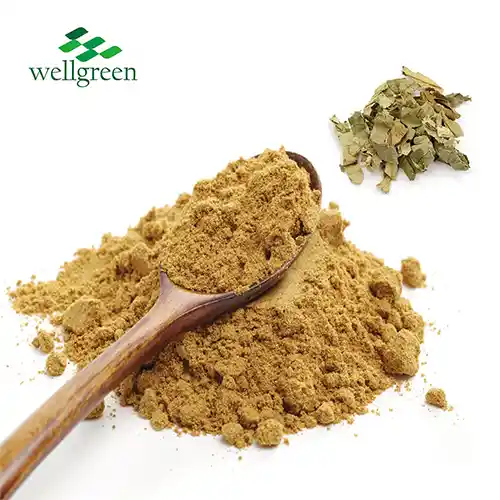
Organoleptic properties, such as color, taste, and smell, affect how well finished goods are accepted by consumers. Premium bamboo extracts come in the form of yellow-brown to pale yellow powders that have mild, slightly herbal notes that work well with other flavors without taking over. Because it doesn't affect taste or smell, it can be used in more areas where strong plant flavors might make people not want to buy the product.
Quality Control and Certification Standards
Professional sellers and commodity traders are separated by strict quality control. The testing procedures and licenses that a company has show that they can work with regulated markets and brands that care about quality.
Critical Testing Protocols
Quantifying active compounds is one of the most important parts of quality assurance. With high-performance liquid chromatography (HPLC), specific flavonoid markers like orientin, homoorientin, vitexin, and isovitexin can be measured. This gives accurate concentration data that backs up label claims and regulatory compliance. Atomic absorption spectroscopy or inductively coupled plasma mass spectrometry are accurate ways to find out how much silicon is in organic silica.
Heavy metal screening keeps people safe and meets guidelines for food safety around the world. Analysis of lead, arsenic, cadmium, and mercury must show amounts below the limits set by the FDA, the European Pharmacopoeia, and other governing bodies. Third-party lab testing gives the results more weight, and certificates of analysis (COA) make the information clear so that quality assurance teams can check them on their own.
Microbiological testing makes sure that goods don't get contaminated with pathogens. The extract meets the microbial limits for food and medicine, as shown by the total plate count, the number of yeast and mold cells, and the specific pathogen screens for E. coli, Salmonella, and Staphylococcus aureus. These factors are especially important for goods that are going to people with weak immune systems or for uses that can't be sterilized.
Pesticide residue research looks at how chemicals are exposed to plants while they are growing. Multi-residue screening with gas chromatography-mass spectrometry or liquid chromatography-tandem mass spectrometry can find hundreds of possible contaminants. This makes sure that the product meets the standards for organic certification and meets the needs of consumers who want products with clean labels.
Industry Certifications and Compliance
Certifying a production process quickly shows how far along it is and how ready it is for rules. Approval for Good Manufacturing Practice (GMP) means that factories keep controlled environments, tested processes, and quality systems that are well recorded. GMP approval is the very least that drug companies need to get plant active ingredients or ingredients that can be bought over the counter.
Getting ISO 9001 approval means that a business has thorough quality control systems that cover more than just making things. These systems take care of customer service, the supply line, and making sure the business is always getting better. Certifications like ISO 22000 and FSSC 22000 are all about managing food safety, which is very important for making food and drinks that people can use.
You can get organic certificates from the USDA, the EU, or another group. These show that the raw materials come from farming that was approved as organic and didn't use any synthetic pesticides or fertilizers. Because of these certificates, brands can focus on natural, long-lasting sources. They can also reach new high-end markets where organic claims can lead to higher prices.
Halal and Kosher certifications make it easier for foods that need to be eaten by religious people to reach stores. Many customers don't need these certifications, but they do show that a seller is ready to meet a lot of different customer needs and go through more third-party auditing.
Supplier Transparency and Documentation
Along with licenses, how well operations are recorded also shows how mature they are. Trustworthy sellers provide thorough technical data sheets that explain the product's physical and chemical properties, as well as the best way to store it and how long it will last. Each package has a COA that is unique to that batch. This lets you trace the product all the way back to the raw materials that were used to make it.
Stability studies keep track of how things work over time in different types of storage. They help people figure out how to package a product and guess how long it will last. Formulators who use the extract in finished goods can easily follow the rules if they have papers like allergen statements and safety data sheets to back them up.
Conclusion
Standardized plant bamboo leaf extracts are made from bamboo leaves, which are grown in a way that doesn't harm the environment. This is done using advanced extraction technology and strict quality checks. When procurement professionals, product developers, and quality managers understand the whole value chain, they can make smart sourcing choices that balance effectiveness, safety, compliance, and the ability to make money. The ingredient can be used in a wide range of nutraceutical, cosmetic, food, and new uses. It also has a strong clean-label positioning and robust bioactive profiles, which makes it a strategic ingredient for brands in competitive markets that want to attract health-conscious, quality-focused customers.
FAQ
What active compounds make bamboo leaf extract effective?
The extract contains multiple bioactive compound classes working synergistically. Flavone C-glycosides (including orientin, vitexin, homoorientin, and isovitexin) provide potent antioxidant activity and cellular protection. Phenolic acids contribute additional free radical scavenging capacity. Polysaccharides offer immune-modulating properties. Organic silica supports connective tissue health by facilitating collagen crosslinking and calcium utilization. High-quality extracts standardize these compounds to consistent concentrations, with flavonoid content ranging from 10%-50% and organic silica reaching 50%-75% depending on specifications. This diverse phytochemical profile explains the ingredient's versatility across health, beauty, and functional food applications.
How should bamboo leaf extract be stored to maintain potency?
Keep the powder out of direct sunlight, heat, and moisture in containers that are tightly sealed and have a moisture barrier. Temperatures below 25°C and relative humidity below 60% are the best conditions for keeping. Once the original package is opened, move any unused items to smaller, airtight containers so that they don't get too much air contact during repeated use. Material stays stable for 24 months after it was made as long as it is kept properly. High-silica grades are more likely to absorb water, so desiccant packets in storage cases can help them stay dry. Usually, refrigeration isn't needed, but in hot places, it can help food last longer. Before using something, you should always look for clumping, color changes, or strange smells. These are all signs that it is absorbing water or breaking down.
What's the difference between specs for flavonoids and silica?
Flavonoid-standardized extracts focus on their antioxidant, anti-inflammatory, and metabolic support qualities. This makes them perfect for use in antioxidant supplements, functional beverages, and skin care products that protect and slow down the aging process. Usually, the amount of total flavonoids is between 10% and 50%. Organic silica standards (50%–75% SiO₂) focus on supporting connective tissue, which is great for bone health, joint comfort, hair and nail strength, and beauty products that focus on collagen. Some companies make dual-standardized goods that balance both types of compounds. The right specs depend on the purpose of the product. For example, cosmetic formulators usually choose moderate flavonoid grades (20–30%), while orthopedic supplements focus on high-silica content. When comparing suppliers, make sure to ask for technical data sheets with full compositional profiles that match the requirements with the tasks that are meant to be performed.
Partner with a Trusted Bamboo Leaf Extract Supplier
Wellgreen Technology specializes in manufacturing premium-grade bamboo leaf extract powder with complete certifications and unwavering quality standards. Our GMP-certified production facility maintains large inventory stocks of multiple specifications—from flavonoid-standardized grades (10%-50%) to high-silica formulations (up to 75%)—ensuring we meet diverse formulation requirements promptly. Each batch undergoes third-party testing with comprehensive COAs documenting active compound levels, heavy metals, pesticide residues, and microbiological status that meet international regulatory standards. We support OEM customization with flexible minimum order quantities and provide technical guidance throughout product development cycles. Whether you're formulating advanced nutraceutical blends, functional beverages, or cosmetic innovations, our team delivers reliable supply backed by responsive communication and strict quality protocols. Contact Wellgreen at wgt@allwellcn.com to discuss your bamboo leaf extract requirements and receive detailed specifications tailored to your application needs.
References
Chen, H., & Zhang, M. (2019). Phytochemical Composition and Biological Activities of Bamboo Leaves: A Comprehensive Review. Journal of Functional Foods, 62, 103-118.
Li, Q., Wang, X., & Chen, Y. (2020). Extraction Technologies and Standardization Methods for Bamboo Leaf Flavonoids: Comparative Analysis and Industrial Applications. Food Chemistry, 312, 126-139.
Tanaka, S., Yoshida, K., & Nakamura, T. (2018). Silica in Bamboo: Biological Significance and Nutritional Implications for Human Health. Nutrition Research Reviews, 31(2), 245-258.
Anderson, J. R., & Williams, P. D. (2021). Quality Control and Safety Assessment of Botanical Extracts in Nutraceutical Manufacturing. Journal of AOAC International, 104(3), 678-692.
Rodriguez, M. L., Thompson, K. A., & Brown, S. E. (2020). Natural Antioxidants in Food Preservation: Mechanisms, Applications, and Regulatory Considerations. Critical Reviews in Food Science and Nutrition, 60(15), 2634-2651.
Zhang, L., Kumar, R., & Schmidt, D. (2022). Bamboo Leaf Extract in Cosmetic Formulations: Skin Benefits, Stability Studies, and Formulation Strategies. International Journal of Cosmetic Science, 44(1), 89-104.