How to Source Maca Root Extract From Manufacturers?
2026-07-03 14:20:55
When you buy maca root extract from a producer, you have to check their qualifications, make sure the product is standardized, and make sure they follow the rules. Find makers whose products come from Peru and have been tested according to approved methods and have industry certifications like ISO and GMP. Along with heavy metal and pesticide residue tests, you should ask for Certificates of Analysis (COA) that show the amounts of active compounds, especially macamides and macaenes. Check the extraction methods, phenotype requirements (black, yellow, or red types), and how well they work with your product needs. Clear communication, checking of samples, and the chance of a long-term relationship are still important for quality assurance.
Understanding Maca Root Extract and Market Demand
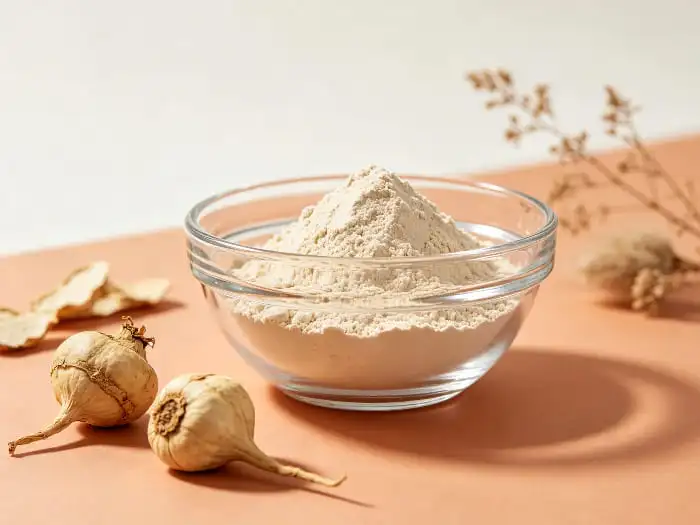
Maca root extract, which is derived from Lepidium meyenii roots grown in Peru's Andean mountains, is a standard adaptogenic botanical ingredient that is becoming more and more popular around the world. There are important medicinal compounds in this strong plant material, such as amino acids, different alkaloids, macamides, and macaenes. These compounds give it its useful qualities. The maca root extract helps with managing vigor, getting more energy, and staying strong. This makes it a popular ingredient in nutritional products.
Forms and Applications Across Industries
Manufacturers offer this plant ingredient in a number of different forms that can be used in different production scenarios. For food supplement capsules and tablets, powder types are most common. For pharmaceutical uses, standardized extracts with confirmed active compound ratios are used. Grades that dissolve in water make it possible to add them to functional drinks, protein mixes, and health drinks. For high-end product lines, freeze-dried versions keep delicate bioactive profiles. Cosmetic companies use concentrated ingredients in serums and haircare products that claim to give you more energy and make you look younger.
Current Market Dynamics and Growth Drivers
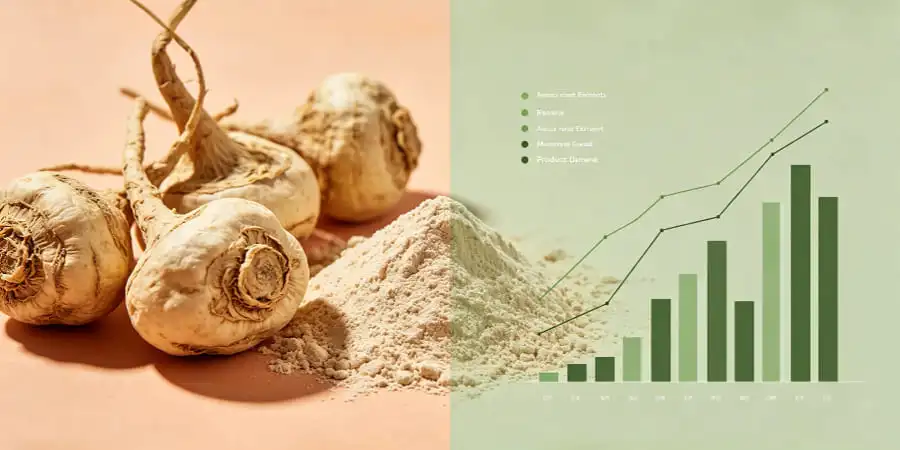
In North America and Europe, demand has sped up a lot because more people are interested in natural options that support health and hormone balance. The "Energy + Vitality + Hormonal Balance + Men's Health" trend is still growing, and goods that focus on sports nutrition and adaptogens are a big part of that. B2B buyers are facing more and more problems, such as proving the products' origin, making sure that the phytochemical profiles are uniform, and figuring out how to get the goods from the mountains of Peru to factories. Volumes bought usually run from 50 kg minimum orders for test batches to multi-ton yearly contracts for well-known product lines.
Defining Sourcing Requirements and Quality Standards
Setting clear requirements for products is the first step in successful buying. Your recipe goals and marketing claims will help you decide between ratio extracts (10:1, 20:1) and uniform grades of maca root extract.
Critical Quality Parameters
Purity standards have to meet very strict business standards. Leading producers keep the macamide content between 0.3% and 0.6% by using HPLC confirmation. Glucosinolate levels, on the other hand, usually fall between 0.6% and 2.0%, based on the phenotype. The moisture level should stay below 5% to stop the growth of microbes while the food is being stored and shipped. Lead levels must be less than 3.0ppm, arsenic levels must be less than 2.0ppm, and cadmium levels must be less than 1.0ppm, according to USP standards. Microbiology requirements should show that the total plate count is less than 10,000 CFU/g and that there are no harmful organisms present.
The way the product is extracted has a direct effect on its absorption and effectiveness. Water-ethanol extraction methods keep all the glucosinolates but get rid of the bulky fibers, while CO2 supercritical methods produce cleaner profiles that can be used in sensitive situations. Gelatinization methods make chemicals more soluble, but they may also make them less heat-sensitive, so they need to be carefully thought through based on the end use needs.
Essential Certifications and Documentation
Professional makers keep a lot of different certifications, such as ISO 22000 for managing food safety, GMP compliance for showing that the factory follows good manufacturing practices, and organic certifications from the USDA or EU when they buy approved organic materials. Ask for full paperwork packages that include a Certificate of Origin proving that the product comes from Peru, third-party lab results proving that the product is pure, allergen statements, and GMO-free claims. Traceability paperwork should show where the materials were harvested, how they were processed, and where they were finally packaged. This will ensure supply chain transparency, which is something that regulators and smart customers are asking for more and more.
How to Identify and Evaluate Maca Root Extract Manufacturers?
To find good suppliers, you need to do smart study that uses digital tools, industry networks, and direct communication. Specialized business-to-business platforms that focus on plant products are easy to get started with, and yearly trade shows like SupplySide West and Vitafoods Europe make it possible to evaluate manufacturers in person. Contacts with a track record of success can often be found through industry groups and suggestions from other professionals for sourcing maca extract powder.
Assessment Criteria for Manufacturer Selection
Evaluation of production ability goes beyond just counting tons. Check to see if makers have separate extraction lines for each botanical or if they share tools that can be used for more than one. This can affect the risk of cross-contamination. Chromatography systems are used in advanced facilities to get accurate profiles of active compounds, and climate-controlled storage keeps raw materials and finished extracts from breaking down. R&D skills show the potential for new ideas. Companies that offer custom formulation support, stable testing, and application development help can set their products apart in a smart way.
Pricing that is clear shows that the maker is professional and reliable. Reliable sellers give thorough quotes that include the costs of the raw materials, the processing fees for extraction, the costs of testing, and the different packaging choices. Volume-tiered price models keep fair margins while rewarding customers who make bigger promises. When a price is much lower than the market average, it's usually a sign that the quality has been lowered, the material has been tampered with, or there have been unexplained origin replacements.
Sample Testing and Validation Protocols
Never place a large order without first evaluating a sample carefully. Ask for 100–500g samples that are from real production runs instead of material that has been specially made. Do an organoleptic evaluation, making note of the consistency of color (light to medium brown for normal extracts), particle size, and the typical earthy-nutty smells. Get an independent third-party lab to check the levels of active compounds, look for impurities, and make sure the levels of contaminants meet the requirements. Compare the results to the COAs given by the maker to see how accurate and clear they are. Do small-scale production tests to see how the ingredients dissolve, how they affect taste, and how well they work with other processes before deciding on a supply partnership.
Comparing Different Types of Maca Root Extract Suppliers
By understanding how suppliers specialize, you can make better sourcing choices that are in line with how you place your products and what your target market wants for maca root extract.
Organic Versus Conventional Sources
Organic-certified extracts usually cost 20–40% more than regular grades. This is because they cost more to certify, farmers get less food, and people want products that are good for them. Supplement companies that want to reach health-conscious people are specifying more and more organic materials, even though they cost more. Conventional extracts stay ahead of the competition in price-sensitive markets and uses where organic approval doesn't add much to the marketing value. Check to see if the people you want to sell to care enough about being organic to explain higher input costs and possible supply shortages during busy demand times.
Phenotype-Specific Formulations
Targeted product creation is possible with manufacturers who give unique phenotype extracts. Black maca extracts are often used in formulas for male performance and health, and study has shown that they can have an impact on energy and endurance levels. Red maca types are linked to bone health and hormonal balance in women. The most common type of maca is yellow maca, which is often used in general health goods. Industrial-grade extracts usually mix phenotypes to get uniform chemical profiles. However, specialty providers offer phenotype-specific material that has been checked using DNA barcoding or unique glucosinolate profiling through TLC identification methods. This specialization helps with placing at the top of the market and getting into niche markets.
Format and Packaging Considerations
Powder extracts are the most popular because they can be used in capsules, tablets, and drinks. When makers want turnkey ingredients that cut down on processing steps, encapsulated forms are a good choice. Even though they cost more to ship and need to be kept cold, liquid extracts have benefits for people who make tinctures and some cosmetic uses. For normal purchases, you can get 25 kg fiber drums with food-grade poly liners. For longer keeping, nitrogen-flushed metal bags protect sensitive bioactives. Minimum order numbers are very different. For example, specialized phenotype extracts may need a minimum order quantity of 100 kg, while commodity-grade material usually starts at 25–50 kg. This makes it harder for smaller businesses to plan their stocking needs.
Procuring Maca Root Extract: Transaction and Logistics Considerations
A good buying process for maca extract powder includes more than just choosing the right products. It also includes transaction structures, shipping procedures, and relationship management techniques that make sure there is a steady supply of goods and good quality.
Negotiation and Payment Structures
Established business-to-business (B2B) platforms offer safe transactions through escrow services and conflict settlement tools, which are especially helpful when connecting with new suppliers. Direct talks with the maker usually lead to better prices for large orders, but you need to do a lot of research on the payment terms and contract clauses. In foreign transactions, letter of credit protects both parties, and trusted long-term relationships can lead to net payment terms that make transactions smoother. Before signing the purchase agreement, make sure you understand the quality disagreement procedures, such as how to handle sample retention, how to settle testing differences, and possible solutions.
International Shipping and Regulatory Compliance
When bringing plant extracts into the US and European markets, you need to pay close attention to customs paperwork, FDA/EFSA rules, and how botanical materials are classified. Manufacturers should send full business invoices, phytosanitary certificates when needed, and ingredient statements that meet the needs of the target country. Import taxes are different depending on the target country's rules and harmonized tariff codes. For plant extracts, these codes usually fall under HS code 1302.19. Plan to wait 3–6 weeks for ocean freight or 5–10 days for air freight when you need to restock your shelves. Hire customs agents who are familiar with botanical products to help you figure out what paperwork you need and speed up the clearance process.
Building connections with manufacturers that allow them to work together has benefits that go beyond just business supply. By sharing demand predictions on a regular basis, producers can make the best decisions about when to start production and where to get the raw materials they need. Collaborative quality improvement projects deal with problems with planning and the need for application development. Long-term relationships often give partners early access when supplies are low, let partners know about changes in the market that could affect prices or availability, and allow partners to work together to create unique specifications that help differentiate products. If you are clear about your market goals and growth plans, makers will see you as strategic partners instead of just providers of goods.
Conclusion
To find high-quality maca root extract, you need to carefully check the credentials of the maker, the product specs, and the openness of the supply chain. For buying to go well, it's important to find a balance between standardizing active compounds, taking into account phenotypes, meeting legal requirements, and meeting the needs of specific applications. By giving more weight to makers who can prove their products are from Peru and have all the necessary testing methods and certifications, you can build trust in your brand and your customers. Supplier partnerships go from being commercial to competitive benefits that allow for product innovation and consistent market delivery through thorough sample validation, open communication, and strategic relationship development.
FAQ
What distinguishes ratio extracts from standardized maca root extract?
Ratios like 10:1 show concentration levels (10 kg of raw material makes 1 kg of extract), which provides a wide range of nutrients. Standardized maca root extracts ensure certain active amounts (0.6% glucosinolates or 0.3% macamides), which are needed to back up claims of clinical effectiveness and make sure that the product always works as advertised. Ratio extracts are good for formulas that focus on whole foods, while standardization is good for uses that need to prove potency.
How can I verify authentic Peruvian origin?
Ask for proof of origin certificates from official Peruvian organizations or authorities that are known for their work. Scientists can be sure of something by using DNA barcoding and HPLC fingerprinting to compare chemical profiles to real reference standards. Reputable makers keep their supply lines open and clear, with paperwork that can be used to track where extracts come from and link them to specific growth areas.
Does processing affect bioactive stability?
Gelatinization makes things easier to digest and dissolve, but it uses heat, which breaks down some heat-sensitive enzymes but keeps macamides and macaenes intact. Spray-drying and freeze-drying are better ways to keep delicate chemicals in good shape. Talk to the makers about the extraction and processing methods and ask for stability data that shows the active chemical will stay in the product for the full shelf life when stored according to the manufacturers' instructions.
Partner With Wellgreen for Premium Maca Root Extract Supply
Wellgreen Technology makes plant extract powder professionally. They focus on making high-quality maca root extract and have GMP-certified facilities to back this up. Our large collection has black, yellow, and red phenotype specs that have been standardized to confirmed amounts of macamide and glucosinolate. These are good for use in nutraceutical, pharmaceutical, and functional food products. We follow strict quality control procedures that check for pesticide residues, heavy metal contamination, and microbial factors that meet the standards for food supplements in the EU and the US. Every shipment comes with full paperwork, such as a COA and HPLC testing results. This is made possible by stable sources of raw materials in Peru and modern processing systems in the country. Our technical team helps with OEM, ODM, and private label goods, as well as creating unique formulas for energy and men's health products. Contact our sourcing experts at wgt@allwellcn.com to talk about your specific needs, ask for samples, and find out how working with a well-known maca root extract source can make your buying easier while also guaranteeing quality.
References
Gonzales, G.F., et al. "Lepidium meyenii (Maca): A Plant from the Highlands of Peru—From Tradition to Science." Forschende Komplementärmedizin, 2009.
Stone, M., et al. "A Pilot Investigation into the Effect of Maca Supplementation on Physical Activity and Sexual Desire in Sportsmen." Journal of Ethnopharmacology, 2009.
Meissner, H.O., et al. "Therapeutic Effects of Pre-Gelatinized Maca (Lepidium peruvianum Chacon) used as a Non-Hormonal Alternative to HRT in Perimenopausal Women." International Journal of Biomedical Science, 2006.
Dording, C.M., et al. "A Double-Blind Placebo-Controlled Trial of Maca Root as Treatment for Antidepressant-Induced Sexual Dysfunction in Women." Evidence-Based Complementary and Alternative Medicine, 2015.
Valentová, K. and Ulrichová, J. "Smallanthus sonchifolius and Lepidium meyenii - Prospective Andean Crops for the Prevention of Chronic Diseases." Biomedical Papers, 2003.
Shin, B.C., et al. "Maca (L. meyenii) for Improving Sexual Function: A Systematic Review." BMC Complementary and Alternative Medicine, 2010.