Organic Red Clover Powder in Skincare & Personal Care
2026-04-17 14:00:00
Organic red clover powder has become an important part of modern skin care products. It is especially prized for the isoflavones it contains naturally, such as biochanin A, formononetin, genistein, and daidzein. Red clover extract powder, which is made from Trifolium pratense's flowering tops and aerial parts, has phytoestrogen activity, antioxidant defense, and anti-inflammatory properties that help with a variety of skin problems at once. This botanical extract is a clean-label alternative to synthetic actives for procurement professionals and product developers in the cosmetics industry. It meets consumer demand for plant-based efficacy and provides standardized potency levels ranging from 8% to 40% isoflavone content through validated HPLC analysis.
Understanding Organic Red Clover Powder and Its Role in Skincare
Botanical Origin and Extraction Process
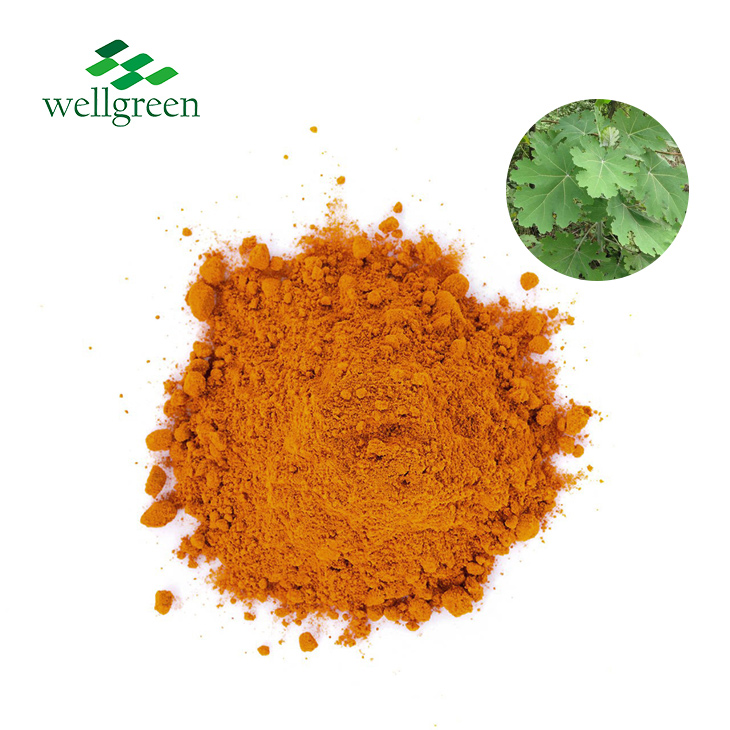
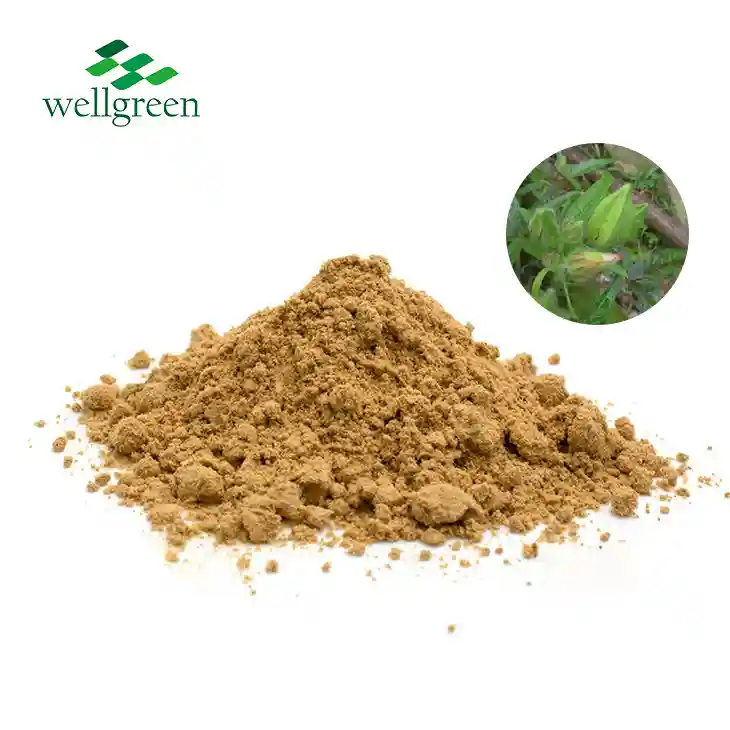
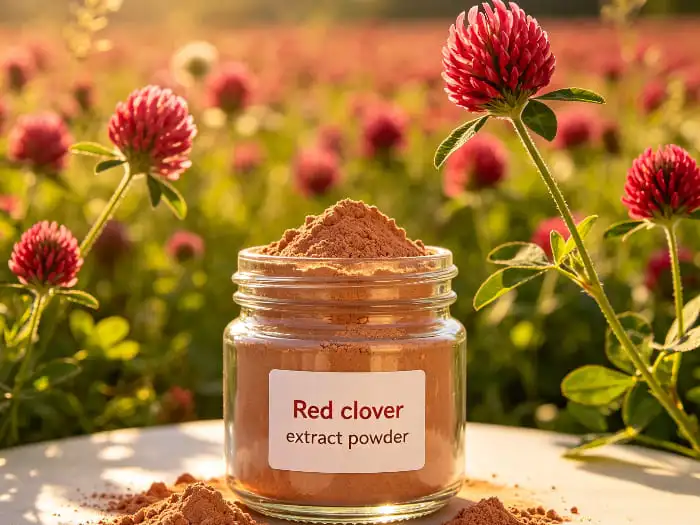
Trifolium pratense is a leguminous plant that is grown for its bioactive-rich flowers and above-ground plant material. This is where red clover extract comes from. Controlled solvent methods are used in the extraction process to keep the delicate isoflavone profile while making a fine powder that is tan-yellow to green in color. Organic approval makes sure that crops are grown without using synthetic fertilizers or pesticides, which has a direct effect on the purity standards needed for topical applications. Certified organic gathering, unlike traditional farming methods, keeps the soil's integrity and gets rid of any remaining chemical contamination that could make formulations less safe or cause skin reactions in finished skincare products.
Phytoestrogen Content and Skin Benefits
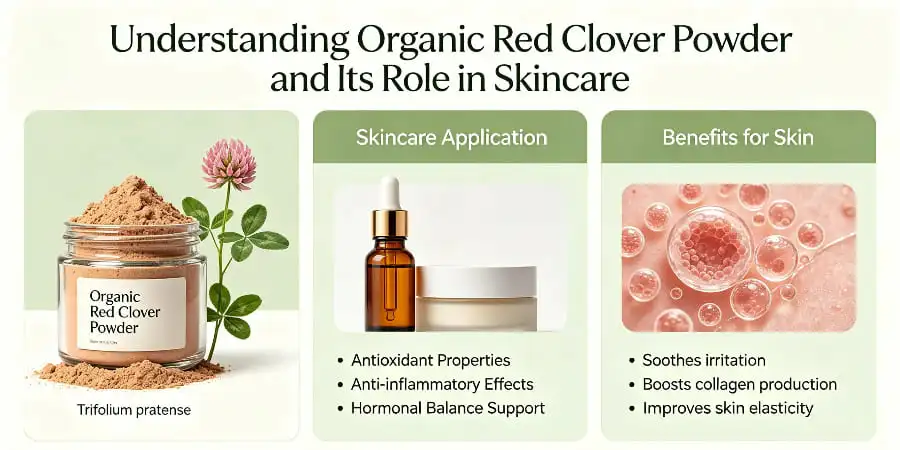
Biochanin A, formononetin, genistein, and daidzein are the main effective ingredients. They work as selective estrogen receptor beta modulators. By attaching to dermal fibroblast receptors, these phytoestrogens speed up the production of collagen. This makes the skin more flexible and lessens the look of fine lines that come with hormonal aging. Clinical findings show that topical application helps maintain dermal thickness, which is especially important for formulas aimed at older skin types. The antioxidant power of these isoflavones fights free radicals that are made by UV light and environmental stresses. This gives your skin extra protection that goes along with your daily sun protection routine.
Comparison with Alternative Botanical Extracts
Comparing red clover to soy isoflavones, red clover has a wider range of four different isoflavones than soy, which mostly has genistein and daidzein. This varied profile gives formulators more options for focusing on more than one skin-aging process at the same time. Compared to synthetic retinoids, organic red clover is a kinder option that causes less skin irritation. This makes it a good choice for formulations for sensitive skin where regular actives are too harsh. The botanical extract stays stable across a range of pH levels, which is different from some plant-based alternatives that need specific formulation factors to stay effective.
Health and Safety Considerations for Using Red Clover Extract Powder
Dermatological Benefits and Mechanisms
When applied topically, red clover extract has measurable anti-inflammatory benefits by stopping the production of pro-inflammatory cytokines. This process works especially well for acne-prone skin because inflammation causes lesions to form and hyperpigmentation to happen after inflammation. The phytoestrogen activity helps control sebum by changing the activity of the 5-alpha-reductase enzyme. This stops the production of too much oil without drying out the skin too much. Antioxidant compounds in the extract protect the health of cellular membranes, which slows down photoaging and helps the body's natural repair systems that get weaker as we age.
Safety Profile and Dosage Guidelines
In finished cosmetics, amounts for established cosmetic use usually fall between 0.5% and 2.0%. This is done to balance effectiveness with skin tolerance. At these concentrations, topical treatment shows great safety margins, with few reports of adverse events in dermatological literature. But formulators have to think about possible estrogenic effects when making goods for certain groups of people. Third-party safety assessments show that isoflavone exposure through the skin is still well below the systemic threshold levels that are needed for health. This is what makes cosmetic use different from oral supplementation. Isoflavones can lose their active properties over time due to oxidative degradation, so stability tests should be done to make sure that the product keeps them throughout its shelf life.
Regulatory Compliance and Certification Standards
To get organic red clover extract, you need to make sure that the supplier has a USDA Organic certification or an international certification that says the farming methods meet certain standards. GMP manufacturing makes sure that extraction methods are always the same, that batches can be repeated, and that contamination is kept under control during all production cycles. Heavy metal testing is still required. To meet FDA and EU makeup rules, lead levels must be below 3 ppm, arsenic levels must be below 2 ppm, and cadmium levels must be below 1 ppm. Microbiological testing makes sure that total plate counts stay within acceptable limits. This protects the integrity of the finished product and the safety of consumers across all lines of distribution.
Evaluating Red Clover Extract Powder Suppliers and Products for Procurement
Critical Quality Indicators
When judging providers, isoflavone standardization is the most important quality indicator. Reliable producers give a Certificate of Analysis for every batch of their products, which includes HPLC chromatograms that show the concentrations of each isoflavone. This analytical clarity lets formulators figure out exact active dosing in finished goods, which makes sure that they follow the rules and back up their claims of effectiveness. The amount of the four main isoflavones should stay the same from batch to batch. This means that the extraction method is stable, not the quality of the raw materials, which can affect how well the product works.
Third-Party Testing and Transparency
Reliable sellers hire outside labs to check for pesticide residues, which proves that the organic certification is real in more ways than just showing the certificate. Glyphosate, organophosphates, and persistent organic pollutants are all things that testing panels should look for that could contaminate ingredients that aren't approved. Technical documents must come with allergen declarations that talk about how cross-contamination could happen from shared manufacturing tools. When suppliers show that they can track the whole supply chain, from growing the plants to extracting the products and packaging them, procurement teams can do an audit that meets the beauty industry's stricter standards for corporate responsibility.
It is still important to know lead times when planning production, especially when buying from sellers in other countries. When you count production schedules, quality control holds, and foreign shipping, the average time from purchase order to warehouse delivery is four to eight weeks. Different suppliers have different minimum order amounts. For example, custom botanical red clover powder makers usually need commitments of 25 to 100 kilograms. Logistics for container shipping favor buying in bulk because it saves money on freight, but established wholesalers keep stock in their regions to support smaller volume needs during the product development and market testing stages.
Supplier Vetting and Due Diligence
Professionals in charge of buying things should check the credentials of the manufacturer, such as facility certifications, years of experience extracting botanicals, and current client relationships in the cosmetics industry. Site checks, which can be done by the company itself or by a third-party service, make sure that the places where products are made are clean and use tested extraction equipment. Referrals from past customers can help you figure out how reliable a seller is during the scaling phase, how accurate your orders are, and how quickly technical support responds to formulation problems. Established suppliers usually have regulatory affairs teams that help with listing ingredients, putting together safety data, and meeting regional compliance standards in various markets.
Integrating Organic Red Clover Powder into Skincare & Personal Care Products
Formulation Concentration and Synergistic Combinations
The best incorporation rates rely on the format of the product and where the desired effectiveness is placed. Anti-aging serums that aim to reduce wrinkles usually use concentrations of 1.5% to 2.0%. This is enough isoflavone to boost gene expression linked to collagen. In multi-benefit formulations, moisturizers and daily creams contain 0.8% to 1.2% amounts of antioxidants that protect without overpowering other active ingredients. This extract works well with hyaluronic acid, peptide complexes, and plant-based antioxidants like vitamin C derivatives. Together, they have synergistic effects that make the product work better than the sum of its parts.
Stability Considerations Across Product Types
It's important to keep an eye on the pH level of water-based products because stability data shows that they work best between pH 5.0 and 6.5, where isoflavone degradation is least during storage. Antioxidant ingredients like tocopherols help emulsion systems work better by keeping isoflavones safe from reactive stress while they are being made and stored. Isoflavones are more stable in anhydrous products like facial oils and balms, but solubilization methods need to take into account the extract's water-loving nature. When choosing packaging, opaque or UV-protective materials should be preferred because they protect light-sensitive chemicals and keep the product working for longer than the usual 24 to 36 months that premium skincare products are supposed to last.
Application Diversity in Personal Care
In addition to being used in skin care products for the face, red clover extract is also used in hair care products to support hair follicles and keep the head healthy. The anti-inflammatory effects help with scalp irritation and dandruff, and the phytoestrogen activity may help hair follicle health when hair loss is a problem. The extract is used in lotions, cleansers, and other body care items to improve the texture of the skin and provide antioxidant benefits for the whole body. Some small brands have added red clover to their natural deodorants because it kills germs that cause bad smells and is gentle on the skin under the arms.
Emerging Trends and Innovation Opportunities
As the "clean beauty" movement continues to grow, people are looking for plant-based alternatives to conventional actives. This puts red clover extract in a good situation for product development. Microencapsulation technologies now allow time-release delivery methods that keep isoflavones working all day, which makes premium products stand out. Using both probiotics and postbiotics together is becoming more popular. For example, phytoestrogens may help keep the skin microbiome balanced when used with probiotic cultures. More and more, brands are putting information about the isoflavone content on the packaging. This teaches customers about bioactive potency in a way that is similar to how vitamin concentration labels have become standard in the supplement business.
Conclusion
Organic red clover extract powder is a botanical ingredient that has been proven to work in skincare and personal care products. It is also financially viable and has been used for many years. Its uniform isoflavone profile gives noticeable advantages for wrinkles, inflammatory conditions, and antioxidant defense, and it also fits with what people want in plant-based ingredients. To integrate well, you need to check the quality of your suppliers, especially the consistency of isoflavones and the accuracy of your organic certification. Formulators gain from the extract's ability to work with a variety of product formats and with ingredients that work well with it. As rules push for more open and environmentally-friendly ways of getting materials, red clover extract gives brands an edge in markets that want products that work well and are made in an ethical way.
FAQ
What makes organic red clover different from conventional extracts?
Organic certification confirms cultivation without synthetic pesticides or fertilizers, reducing contamination risks critical for topical applications. The certification process includes soil testing, harvest verification, and processing audits that conventional extracts bypass, resulting in measurably lower pesticide residue levels.
How stable are isoflavones in finished cosmetic formulations?
When formulated between pH 5.0-6.5 with appropriate antioxidant protection, isoflavones demonstrate stability exceeding 90% retention over 24 months. Accelerated stability testing at elevated temperatures helps predict real-world performance, guiding packaging and storage recommendations.
Can red clover extract cause hormonal side effects in topical use?
Topical application at cosmetic concentrations results in minimal systemic absorption, with dermal isoflavone levels remaining far below thresholds associated with hormonal activity. Dermatological safety assessments consistently classify topical red clover as safe for general populations when used as directed.
What documentation should procurement teams request from suppliers?
Essential documentation includes batch-specific Certificates of Analysis with HPLC chromatograms, organic certifications, heavy metal test results, microbiology reports, allergen declarations, and Material Safety Data Sheets. Traceability documentation linking extract batches to specific harvest lots provides additional quality assurance.
Partner with Wellgreen for Premium Red Clover Extract Powder
Wellgreen Technology stands as a trusted red clover extract powder manufacturer, delivering pharmaceutical-grade botanical ingredients backed by comprehensive quality systems and regulatory expertise. Our GMP-certified manufacturing facility maintains extensive inventory across multiple isoflavone specifications, supporting rapid fulfillment for both development samples and commercial-scale production requirements. Each batch undergoes rigorous third-party testing for heavy metals, pesticide residues, and microbial contamination, with complete documentation packages that streamline your regulatory filing processes. Our technical team provides formulation guidance, stability data, and custom extraction services that address specific concentration or ratio requirements unique to your product vision. With established logistics networks serving North American and European markets, we ensure consistent supply reliability that protects your production schedules and market commitments. Contact our procurement specialists at wgt@allwellcn.com to request product specifications, pricing for your volume requirements, and sample quantities that enable thorough evaluation before scaling your formulations. Discover how partnering with an experienced red clover extract powder supplier can accelerate your product development timelines while ensuring the quality standards your brand reputation demands.
References
Booth, N.L., Piersen, C.E., Burdette, J.E., et al. (2006). "Chemical and Biological Profile of a Red Clover (Trifolium pratense L.) Phase II Clinical Extract." Journal of Agricultural and Food Chemistry, 54(4), 1096-1101.
Krenn, L., Unterrieder, I., & Ruprechter, R. (2002). "Quantification of Isoflavones in Red Clover by High-Performance Liquid Chromatography." Journal of Chromatography B, 777(1-2), 123-128.
Lipovac, M., Chedraui, P., Gruenhut, C., et al. (2011). "Improvement of Postmenopausal Depressive and Anxiety Symptoms After Treatment With Isoflavones Derived From Red Clover Extracts." Maturitas, 69(3), 258-264.
Pawlowski, J.W., Martin, B.R., McCabe, G.P., et al. (2015). "Impact of Equol-Producing Capacity and Soy-Isoflavone Profiles of Supplements on Bone Calcium Retention in Postmenopausal Women." American Journal of Clinical Nutrition, 102(3), 695-703.
Sabudak, T., & Guler, N. (2009). "Trifolium L.—A Review on Its Phytochemical and Pharmacological Profile." Phytotherapy Research, 23(3), 439-446.
Umland, E.M., Cauffield, J.S., Kirk, J.K., & Thomason, T.E. (2000). "Phytoestrogens as Therapeutic Alternatives to Traditional Hormone Replacement in Postmenopausal Women." Pharmacotherapy, 20(8), 981-990.